NW Green Home Tour is Back! SZ celebrates 10 years on Mercer Island. Join us at the SZ Gallery for our First (& Final) MI ArtWalk in April. PICHA highlights Women shaping creative spaces. ͏ ͏ ͏ ͏ ͏ ͏ ͏ ͏ ͏ ͏ ͏ ͏ ͏ ͏ ͏ ͏ ͏ ͏ ͏ ͏ ͏ ͏ ͏ ͏ ͏ ͏ ͏ ͏ ͏ ͏ ͏ ͏ ͏ ͏ ͏ ͏ ͏ ͏ ͏ ͏ ͏ ͏ ͏ ͏ ͏ ͏ ͏ ͏ ͏ ͏ ͏ ͏ ͏ ͏ ͏ ͏ ͏ ͏ ͏ ͏ ͏ ͏ ͏ ͏ ͏ ͏ ͏ ͏ ͏ ͏ ͏ ͏ ͏ ͏ ͏ ͏ ͏ ͏ ͏ ͏ ͏ ͏ ͏ ͏ ͏ ͏ ͏ ͏ ͏ ͏ ͏ ͏ ͏ ͏ ͏ ͏ ͏ ͏ ͏ ͏ ͏ ͏ ͏ ͏ ͏ ͏ ͏ ͏ ͏ ͏ ͏ ͏ ͏ ͏ ͏ ͏ ͏ ͏ ͏ ͏ ͏ ͏ ͏ ͏ ͏ ͏ ͏ ͏ ͏ ͏ ͏ ͏ ͏ ͏ ͏ ͏ ͏ ͏ ͏ ͏ ͏ ͏ ͏ ͏ ͏ ͏ ͏ ͏ ͏ ͏ ͏ ͏ ͏ ͏ ͏ ͏ ͏ ͏ ͏ ͏ ͏ ͏ ͏ ͏ ͏ ͏ ͏ ͏ ͏ ͏ ͏ ͏ ͏ ͏ ͏ ͏ ͏ ͏ ͏ ͏ ͏ ͏ ͏ ͏ ͏ ͏ ͏ ͏ ͏ ͏ ͏ ͏ ͏ ͏ ͏ ͏ ͏ ͏ ͏ ͏ ͏ ͏ ͏ ͏ ͏ ͏ ͏ ͏ ͏ ͏ ͏ ͏ ͏ ͏ ͏ ͏ ͏ ͏ ͏ ͏ ͏ ͏ ͏ ͏ ͏ ͏ ͏ ͏ ͏ ͏ ͏ ͏ ͏ ͏ ͏ ͏ ͏ ͏ ͏ ͏ ͏ ͏ ͏ ͏ ͏ ͏ ͏ ͏ ͏ ͏ ͏ ͏ ͏ ͏ ͏
suzannezahr.com
 

SZ: On the Boards | SPRING 2026

Green Home Tour

SAVE THE DATE!

The 2026 Northwest Green Home Tour is Back!

The Northwest Green Home Tour offers FREE self-guided tours throughout Puget Sound showcasing a full spectrum of sustainable building practices in homes from the people and businesses that support it.

Enjoy a sneak peek into an Architect’s new home on Mercer Island. Perched uphill from her recently built DADU Guest House, Suzanne Zahr’s beautiful 3,300 SF family home is organized around a featured ‘spine wall’ running North-South, paying homage to an indigenous rammed earth building methodology.

We design and build for the beauty, durability, and longevity of our homes.

 FREE TIX 
 
Suzanne Zahr

MILESTONE

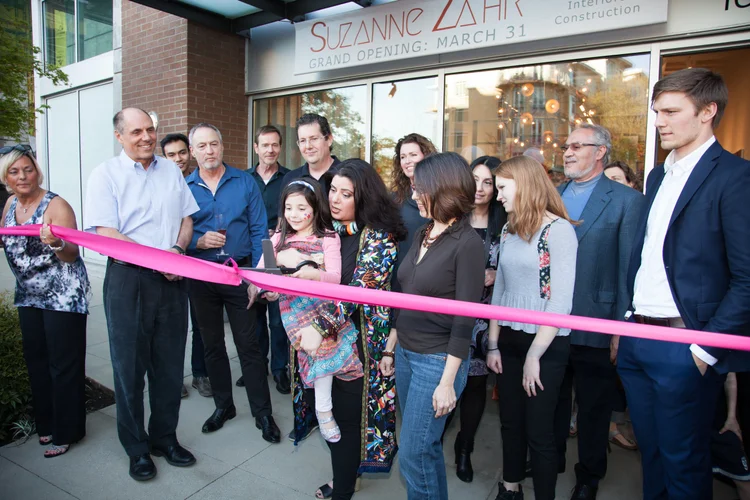
SZ Celebrates 10 Years on Mercer Island

We cut the ceremonial ribbon on March 31, 2016, with the dream of serving our clientele with integrity and creating a beautiful gathering space for our beloved local community. As we approach our 10-year anniversary, my heart feels impossibly full with both deep grief and gratitude. As we celebrate this milestone, we’re also packing up to move our Design | Build office to its beautiful new home. Stay tuned…

Over the years, the SZ Gallery has blossomed into a vibrant beacon of arts and culture, uplifting creative voices from diverse backgrounds and lived experiences. I remain deeply humbled by the artists, poets, musicians and co-creators who have trusted this space with their most authentic expressions of our shared humanity. Their work has reminded us that we are interconnected, beyond religion, beyond ethnicity, beyond statehood - forever bound together through story, vulnerability, and imagination.

In this moment, I invite us all to reflect on the sanctity of self-expression, a fundamental human right. As we grieve those whose voices are being silenced, may we hold even more tightly to the power of art to speak, to heal, and to bear witness.

SUZANNE ZAHR
Architect | Builder | Curator | Global Citizen

 
SZ Gallery

SZ GALLERY

First (& Final) Friday ArtWalk for SZ Gallery on MI

Please join us for SZ Gallery’s final art reception during the Mercer Island ArtWalk, Friday, April 3rd, 5–8 PM, featuring Palestinian Artists, Yazan Abu Salameh and Bashar Alhroub. Come gather for the SZ Gallery exhibit and Ya Hala’s community spirit one last time in this cherished safe space, as we honor what we have built together and gently envision what comes next.

JOIN US!

FIRST (& FINAL) FRIDAY SZ Gallery: April 3, 6 - 9PM
Warm Turkish coffee, teas & Palestinian treats by Ya Hala!

The SZ Gallery will be closed on First Friday, March 6.
We encourage everyone to enjoy the many art exhibits on display during the ongoing Mercer Island ArtWalk.

 
PICHA - Women Shaping Creative Spaces

INTERNATIONAL WOMEN’S DAY

PICHA - Women Shaping Creative Spaces

SZ Gallery has had the distinct pleasure of collaborating with Josiane Faubert, Artist and Photographer, born in Gabon. She is also the Founder of PICHA, a stock photo agency that brings curated, diverse visuals to brands and business looking to tell richer stories, inclusive of Afrocentric communities. Together, soulful exhibitions ranged from showcasing talented photographers selected during PICHA’s annual call to artists, Afrofuturism and SKIN, to a presentation of Weaving Stories, a visual storytelling book that celebrates the beauty, reslience and vibrancy of Afrocentric communities across the globe.

For International Women’s Day on Sunday, March 8, PICHA is preparing a special series highlighting women shaping creative spaces. It’s their way of not only celebrating creative talent, but also leadership, influence and impact. Suzanne Zahr has been invited to participate. She was asked these very thought-provoking questions below. How would you respond?

  1. Who are five women who have shaped the way you see, build, or create?

  2. How does your identity as a woman influence the way you work?

  3. What is one structural change you would love to see in your industry that would meaningfully shift access or equity for women — especially women of color and intersectional voices?

  4. What do you believe is your creative superpower?

  5. What would you tell your younger self — or a young woman entering your field today?

 LEARN MORE! 
 
Diaspora

How to care for your diasporic and immigrant friend…

by, Tania Shoukair

This is a care guide for people who are still protected by some form of privilege, and who have immigrant and diasporic friends, partners, colleagues, employees, neighbors, etc. who are cut off from their home and support systems, and who are forced to navigate normality while being torn apart on the inside.

Experiencing war and disaster while in the diaspora is isolating, distressing and harrowing. Watching horror unfold back home while people around you fall into silence without extending actual care is also traumatic.

Care is deeply political. We know this because care can be commodified, weaponized and withdrawn as a form of punishment. If care is political, then choosing not to care is also political.

This is a care guide to make sure you don’t cause more harm.

DON’T: Ask why their family, friends and loved ones are not leaving the country, or if they’re planning to leave. By asking this you are projecting your own privilege (socio-economical, political, etc.) Not everyone has the privilege of moving across borders or to start a new life.

You are also projecting your Western norms of self-preservation over the collective values of many cultures who view steadfastness as part of resistance.

DO: Ask what you can do to help them support their loved ones. Listen and then offer help where you can using your networks, resources and privileges.

This is an exercise in humility and cultural exchange.

DON’T: Focus on the silver lining, or say things like ‘It’s good that you’re here.” Whether it’s toxic positivity, a way to fill uncomfortable silence, or your own inability to make sense of the situation, when someone is in shock, grief, or distress (and possibly experiencing survivor’s guilt), the worst thing you can do is tell them to focus on the positives or to be grateful for having something their loved ones don’t.

You are once again projecting your individualistic conditioning that prioritizes self-preservation over belonging and collective experiences.

DO: Make space for their reality. This means listening without interrupting, not offering solutions while the person is trying to express themselves, and remaining uncomfortable by feeling powerless in the face of their grief and distress.

This is not about you. You can process your own feelings in a different setting.

DON’T: Ask them to do your homework for you. Charging someone who’s going through emotional distress for political information is selfish. People coming from areas of political violence do not owe you information, explanations or education.

But, as a fellow human being, you do owe them care, compassion and empathy.

DO: Educate yourself on the matter, but don’t let it stand in the way of care. There are infinite resources and a lot of them are free. If you’re not sure where or how to start, ask someone who is not directly impacted.

Your care shouln’t depend on how much you understand the matter at hand, or how well-informed on politics you are. Care is not rational, it’s relational.

DON’T: Prioritize your discomfort over their distress. Yes, it’s uncomfortable to check in on someone who’s going through something you can’t even imagine. But, your emotional discomfort is not the same as their emotional and psychological stress.

Your silence and avoidance is a loud proclamation that your privilege is prioritized.

DO: Reach out, check in, offer help, and ask what they need. It’s our collective duty to check on people who don’t have your same safety nets, security or social resources.

Communities that selectively extend the privilege of safety, security and resources to some and not others is a form of violance.

DON’T: Exclude them from the decision making process. Some cultures view food as care, others acts of service. Don’t make assumptions.

Tune into the cultural practices and needs of those grieving.

DO: Ask them how you can take care of them. Care is deeply personal and can be culturally-based. Our cognitive abilities suffer greatly under stress, sometimes care is helping someone with the practicalities of day to day life.

Initiating a conversation with curiosity is a form of care.

DON’T: Turn the interaction into a political debate. For you, this is politics - news digested at your own pace, on your own time. For them, this is their life. This is their nervious system, their family, their heritage, their land, their fate.

You cannot expect someone who is in deep dispair to abandon their emotional experience and provide you with an intellectually stimulating experience.

DO: Decenter yourself and your worldviews. If your culture has socialized you to view ‘rationality’ as the highest form of relating, then take this as an opportunity to learn how other cultures relate.

Do not force your reality on others. Instead, allow their reality to challenge yours. Allow their experence to shed a light on your privilege.

 LEARN MORE! 
 
suzannezahr.com

Suzanne Zahr, Art & Architecture
2441 76th Avenue SE, Suite 160
Mercer Island, WA
USA

email linkedin facebook instagram

Unsubscribe