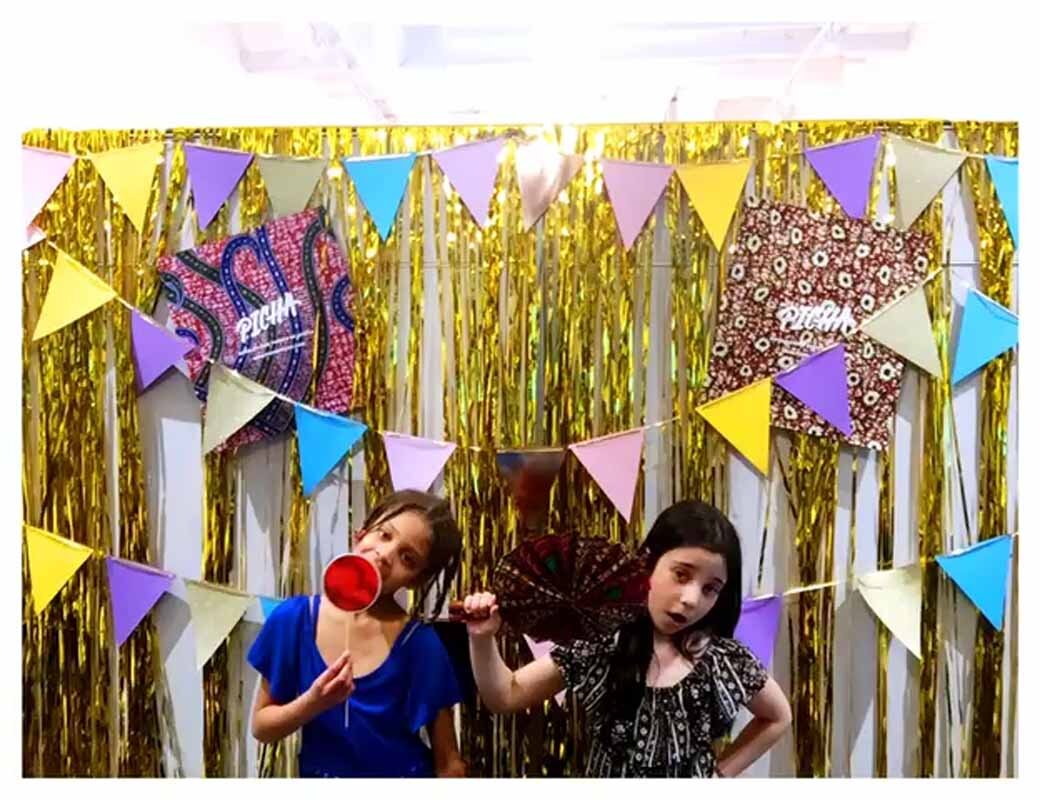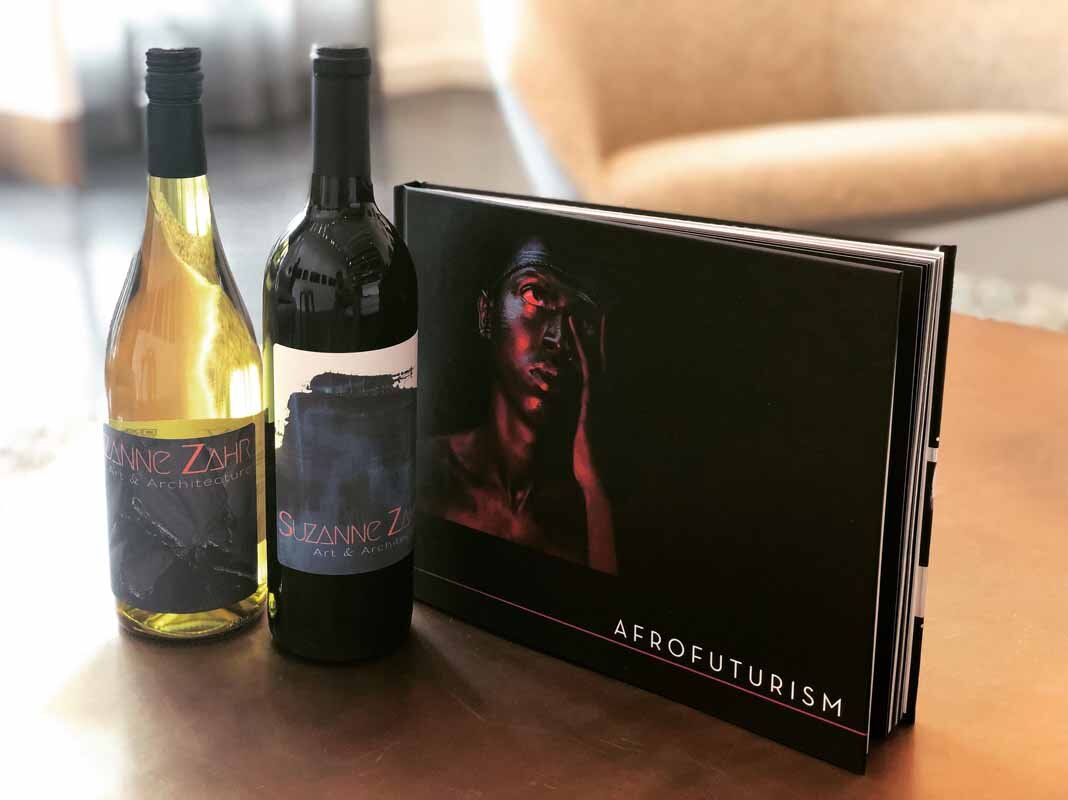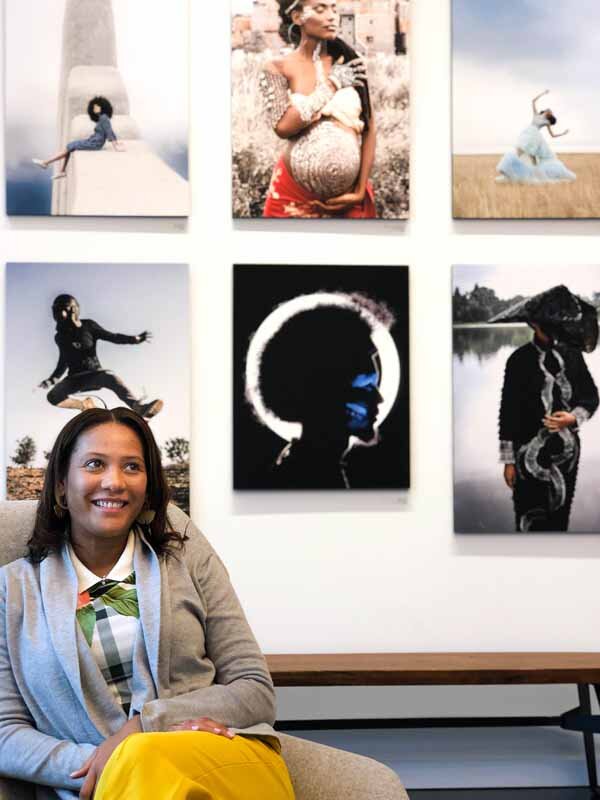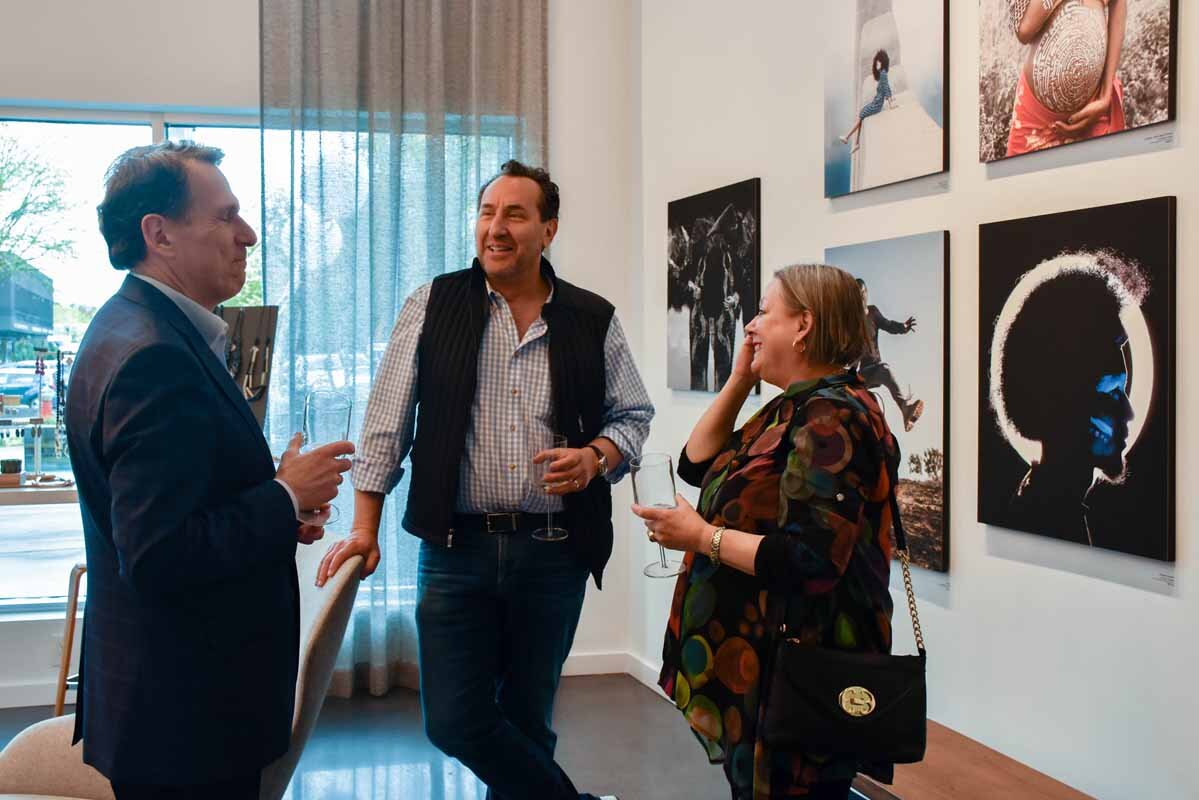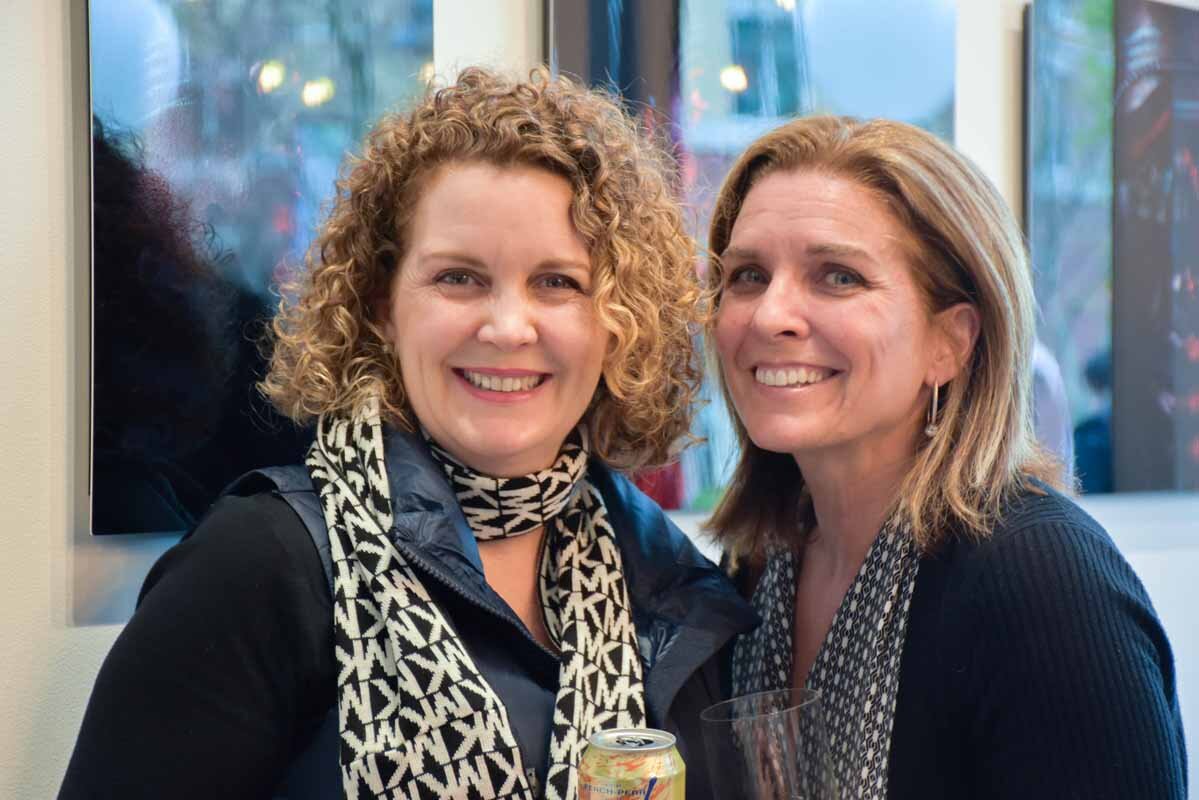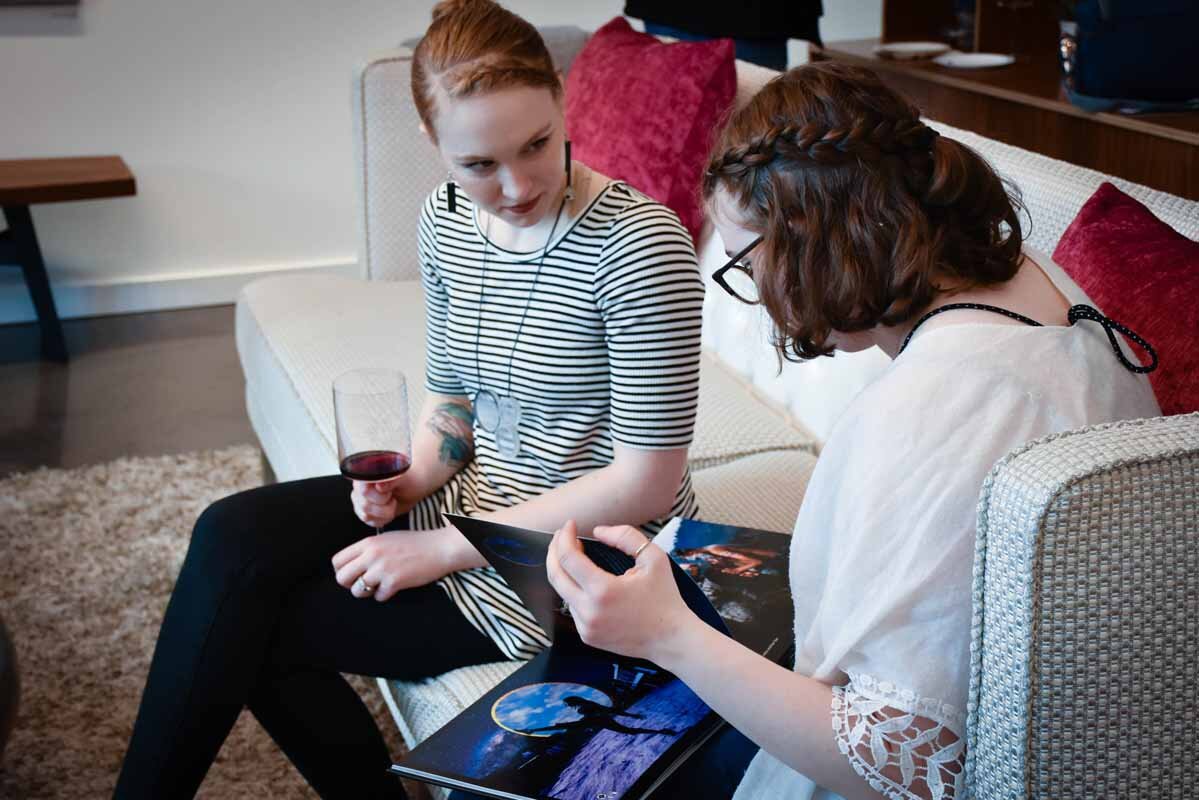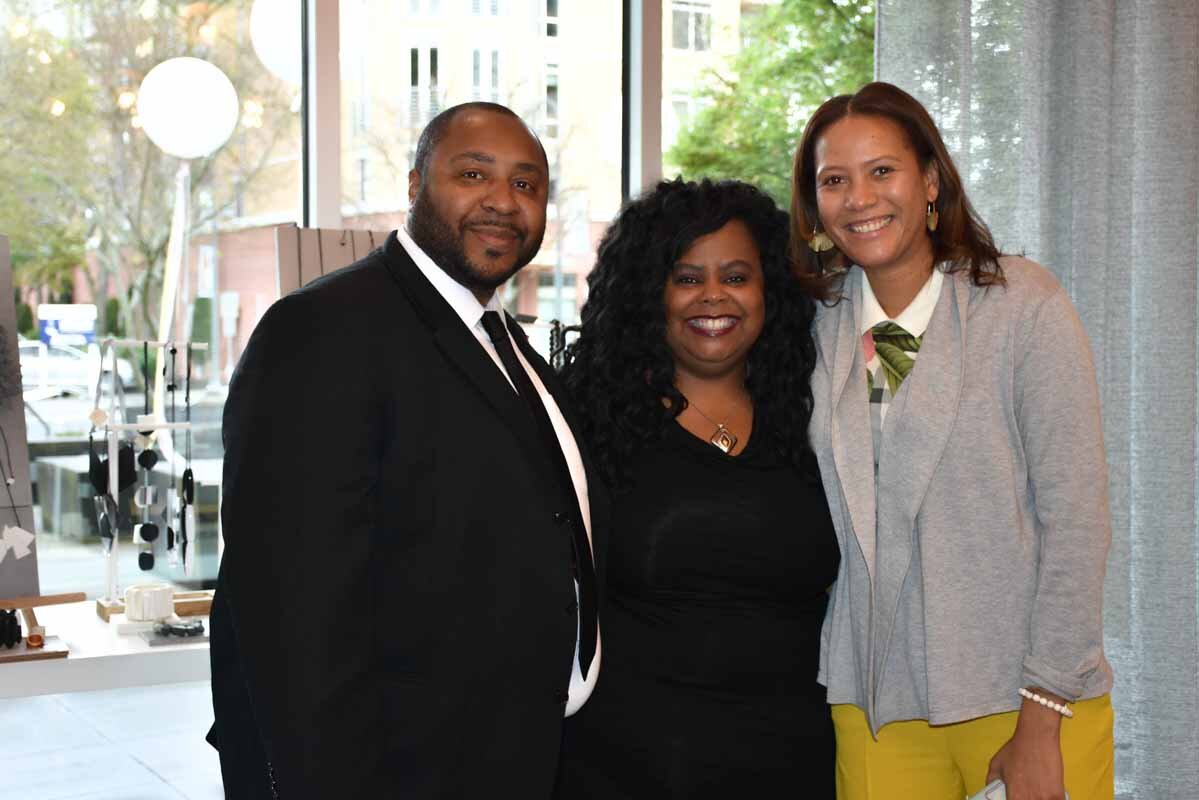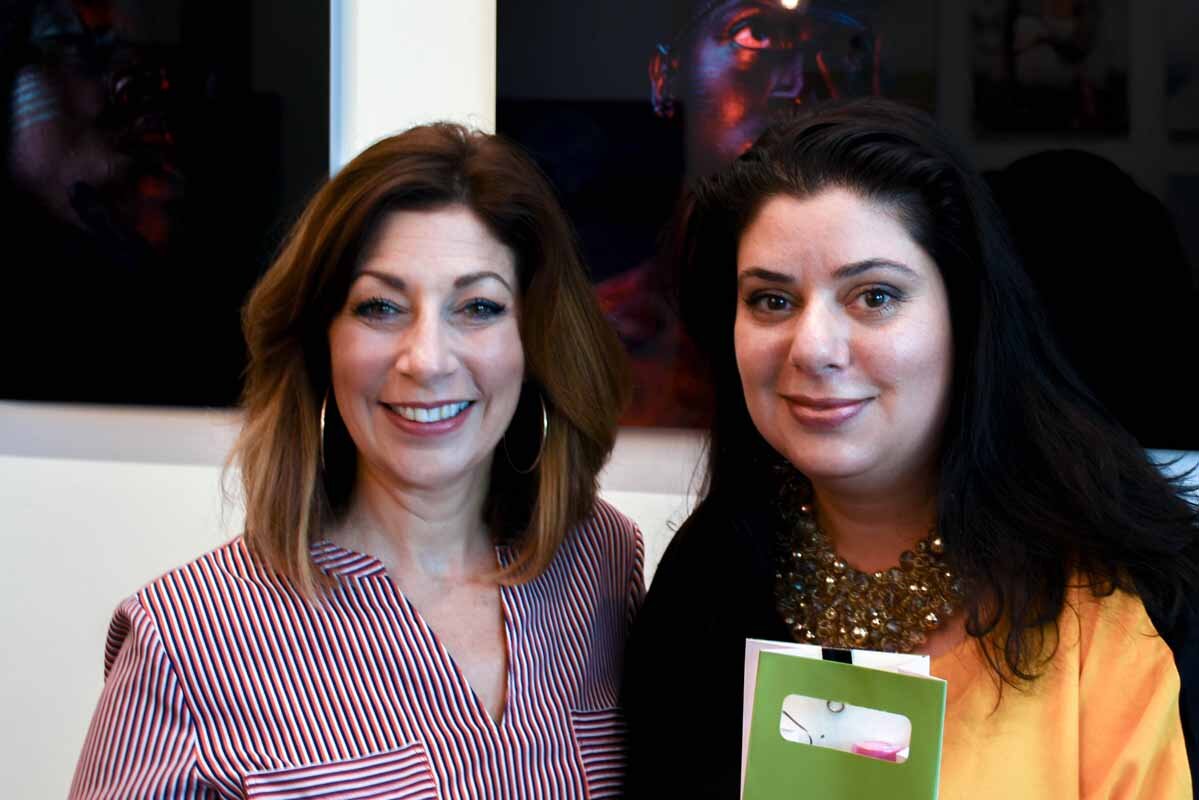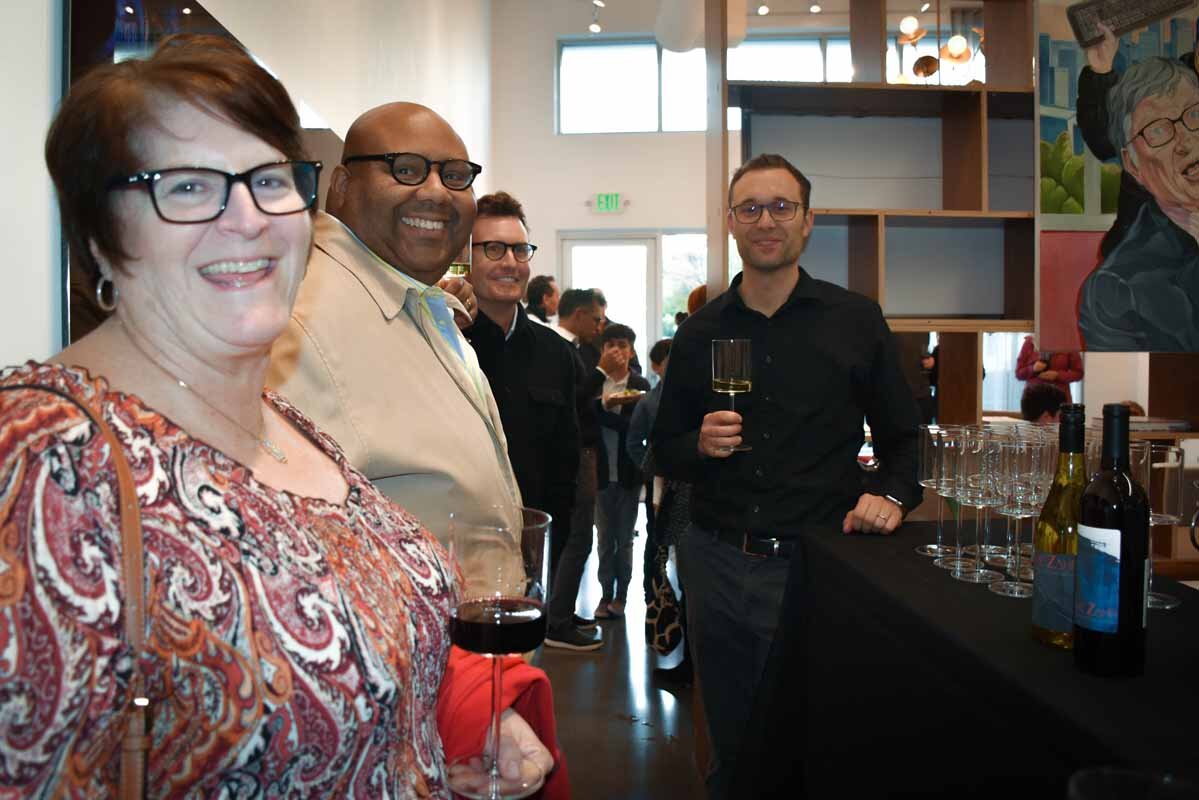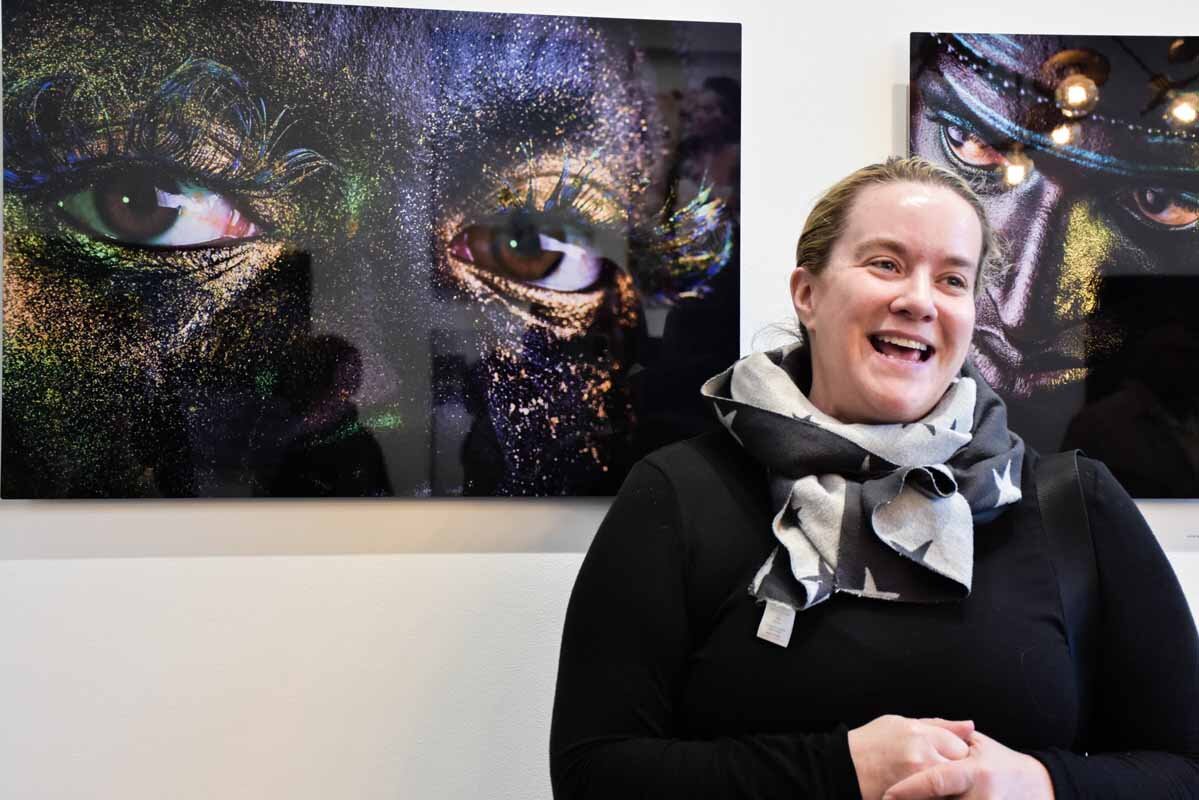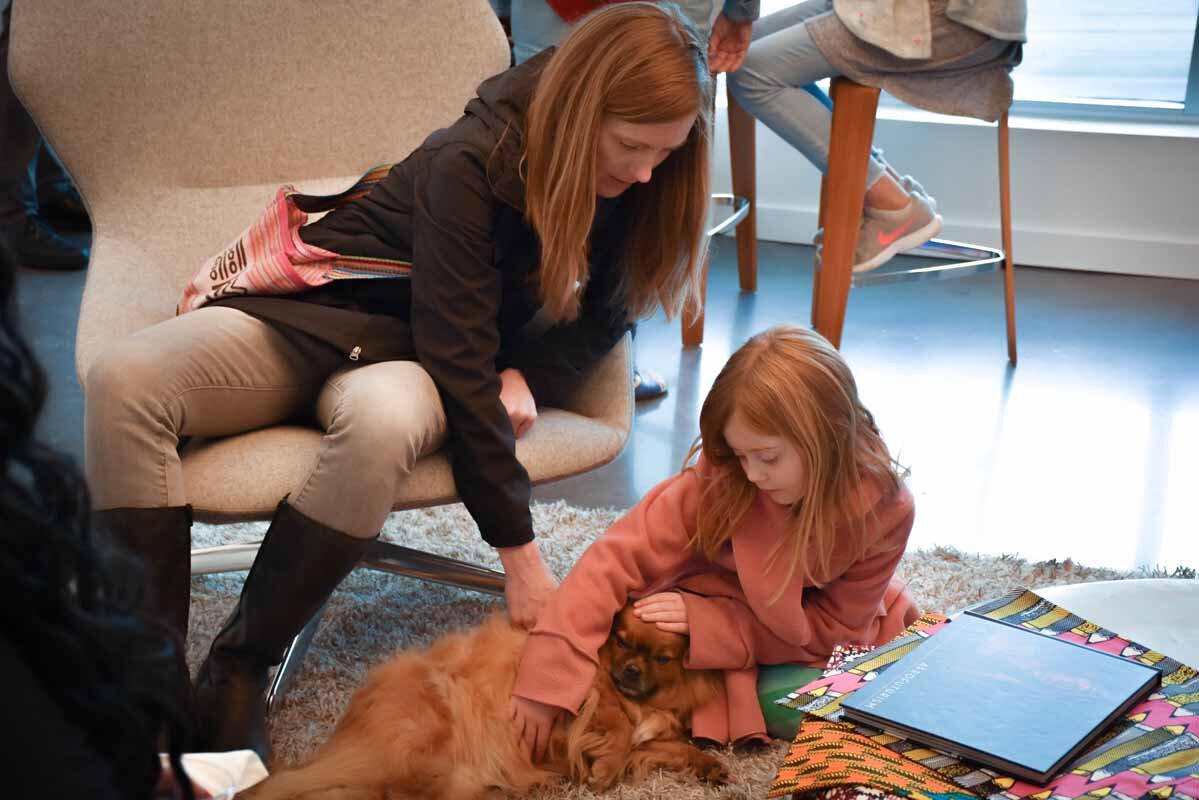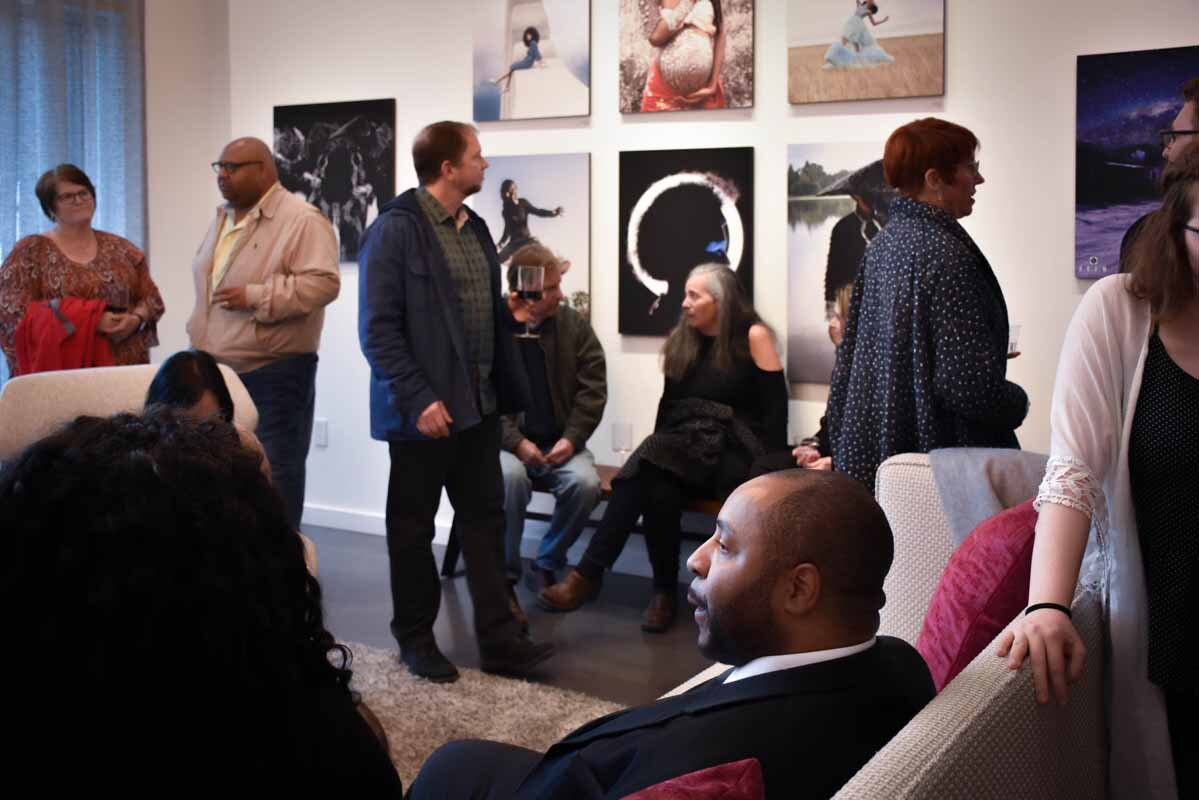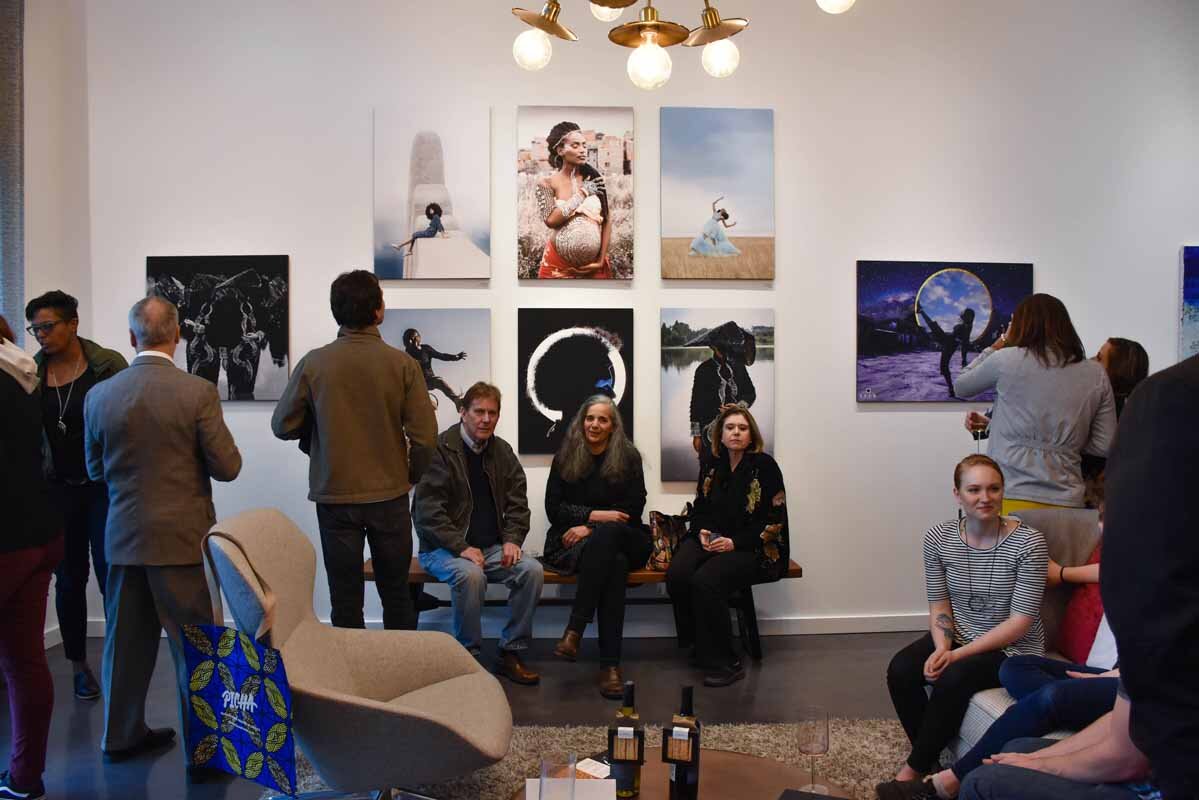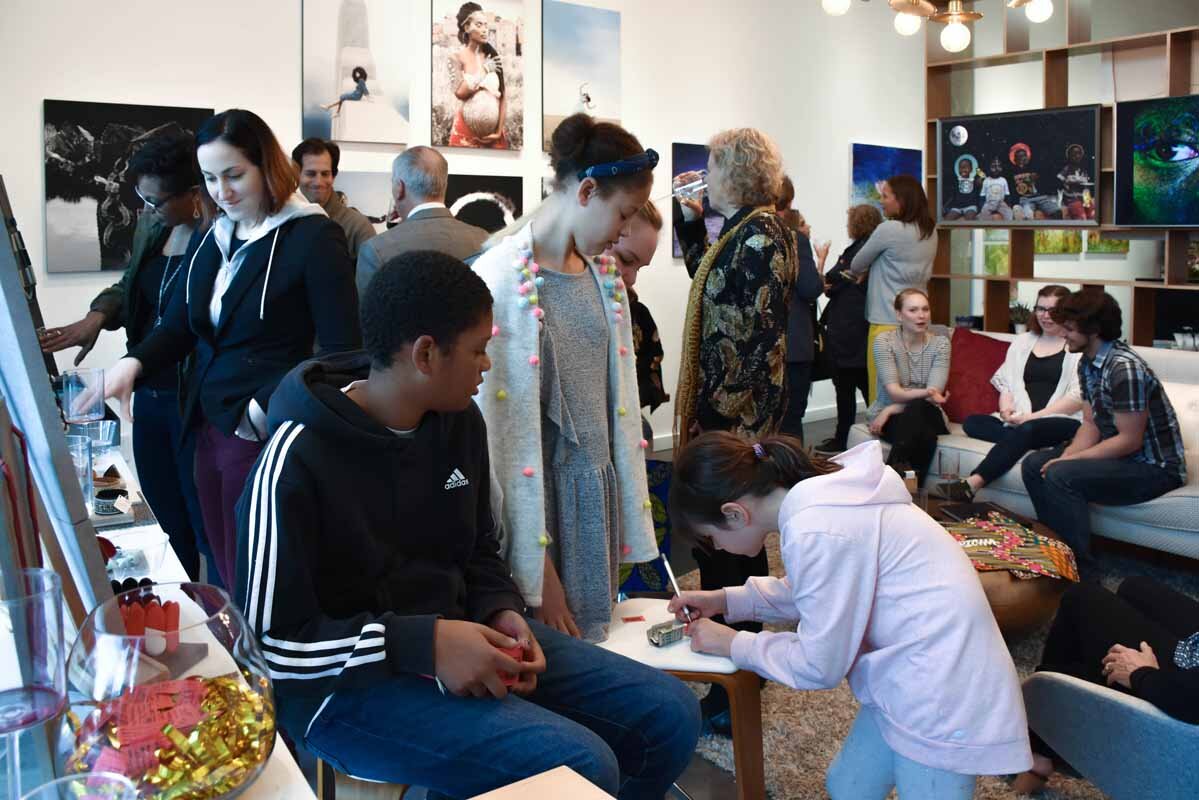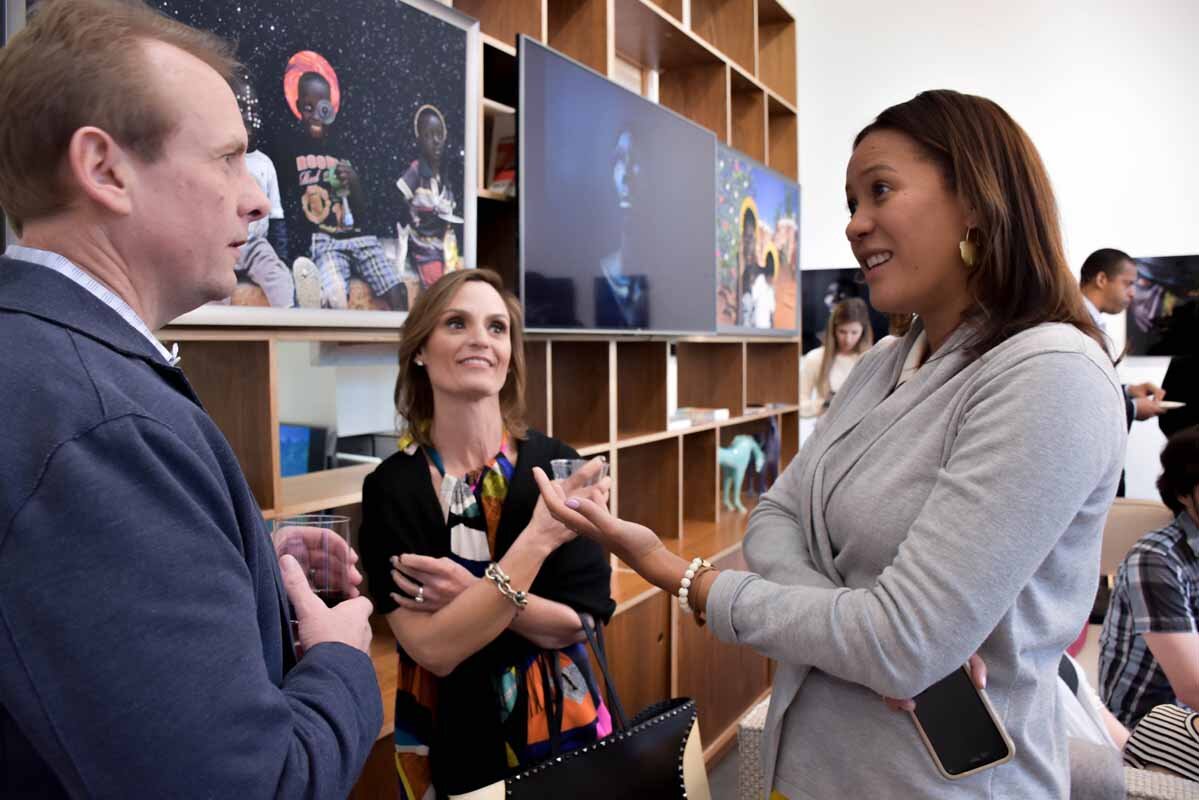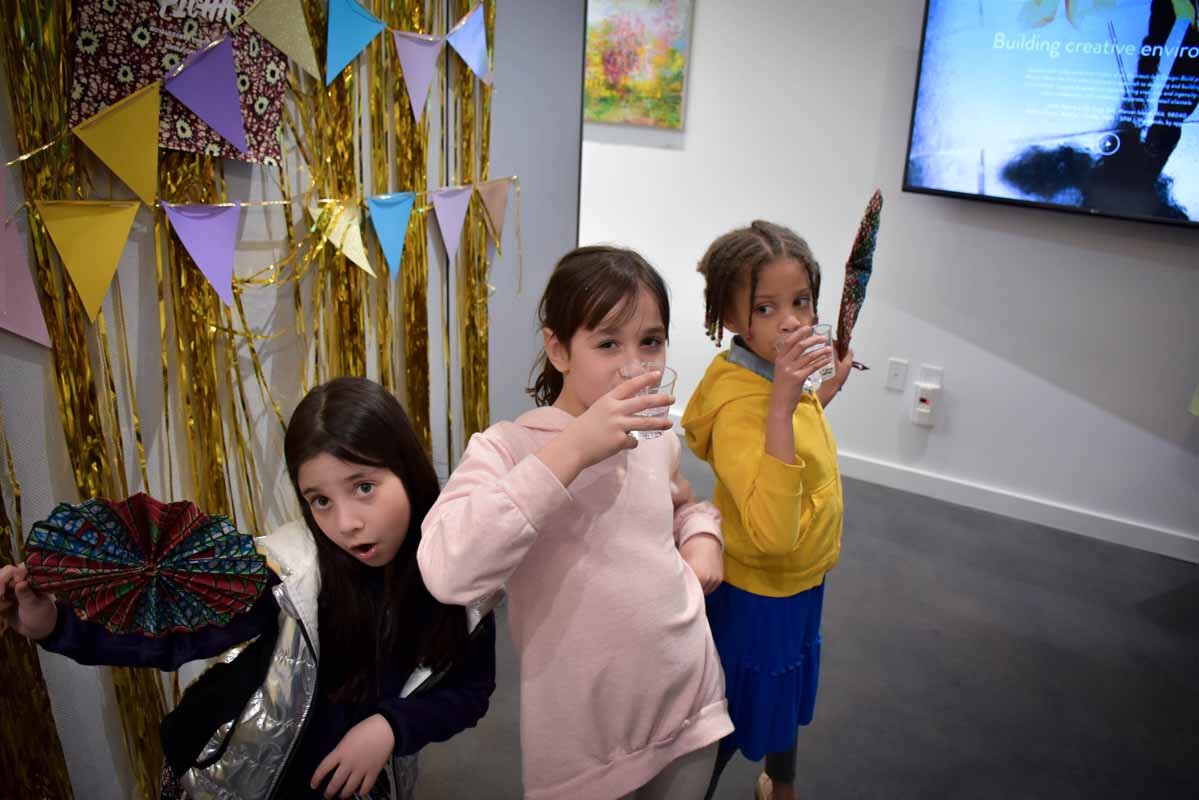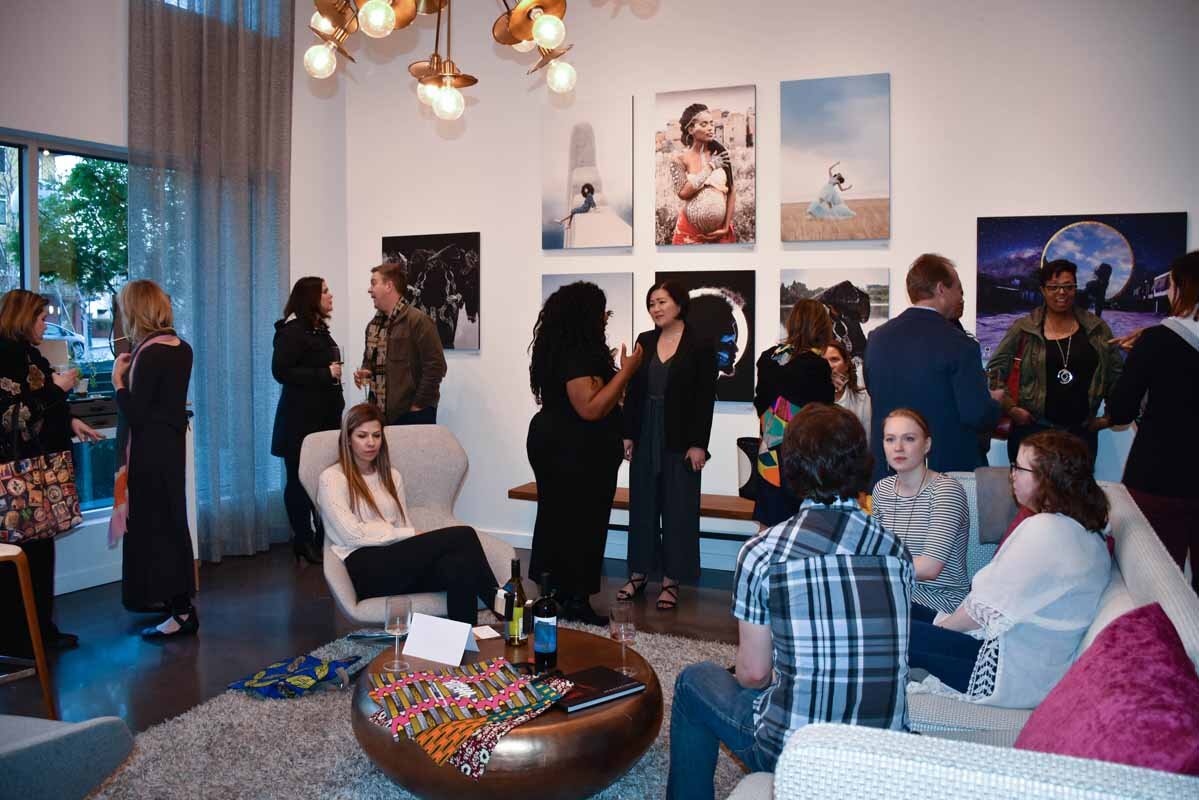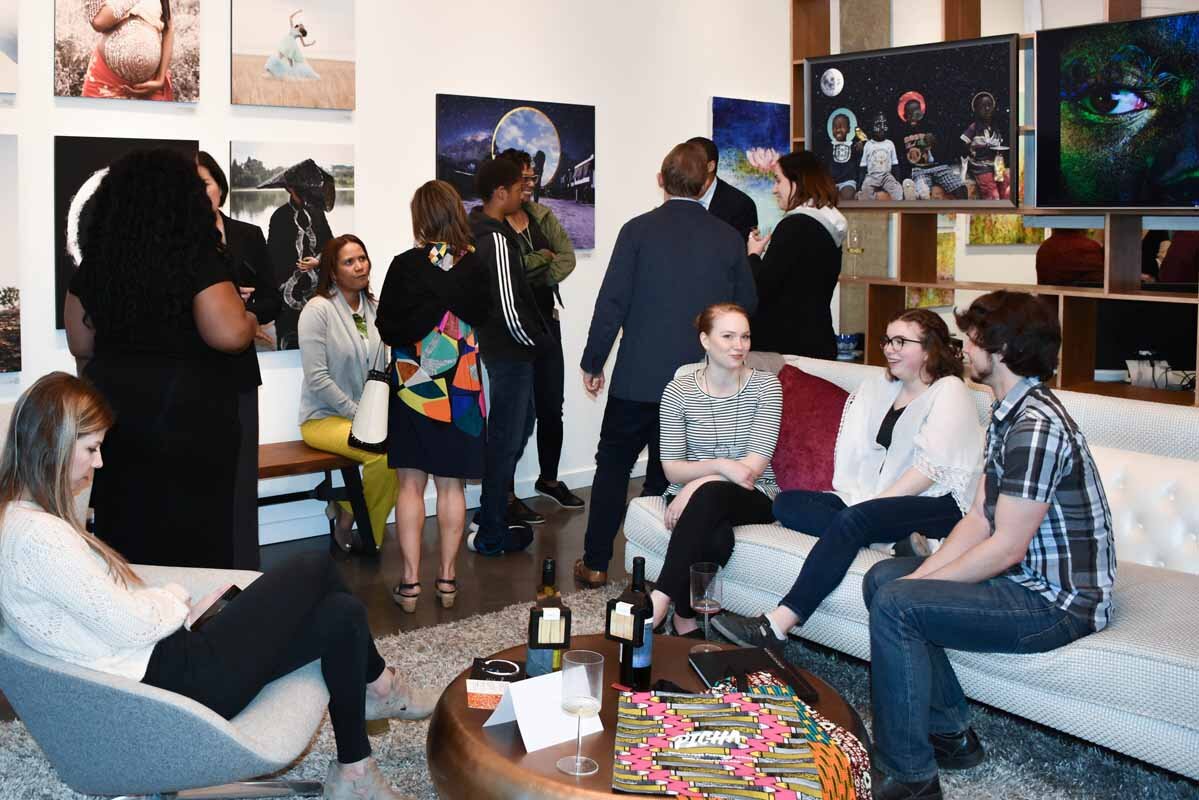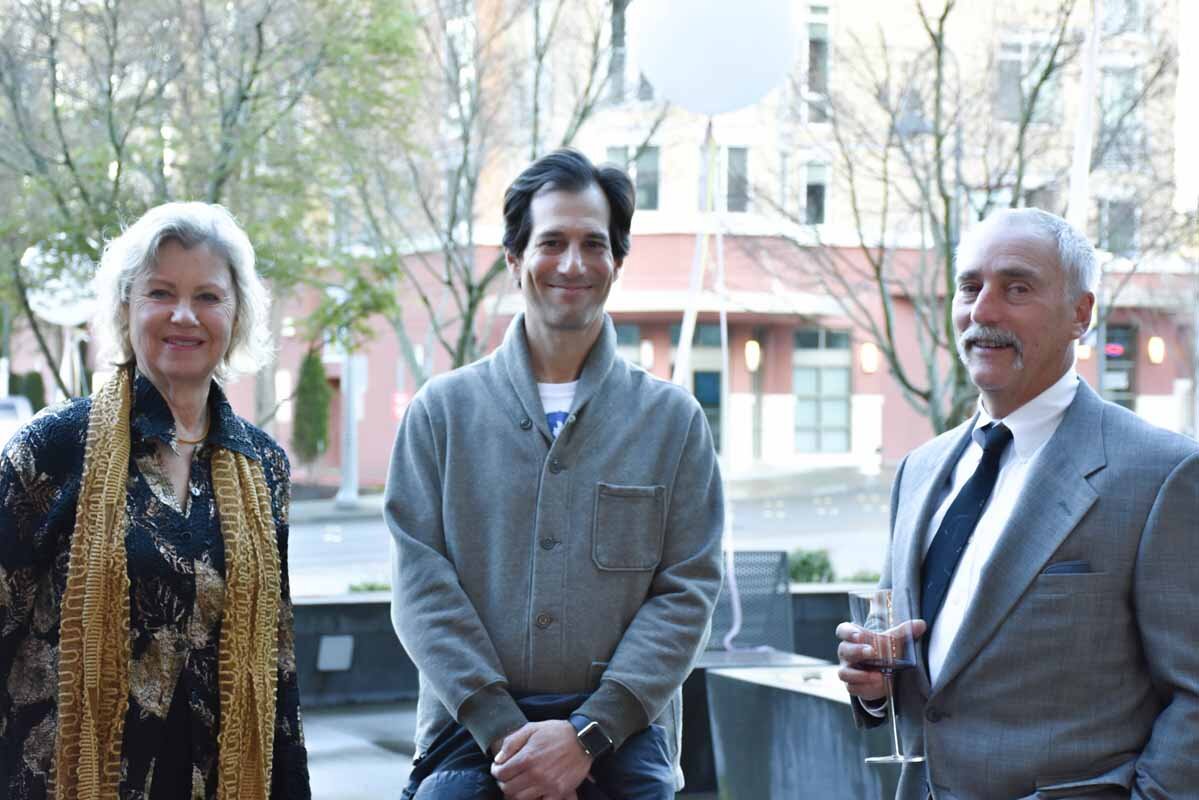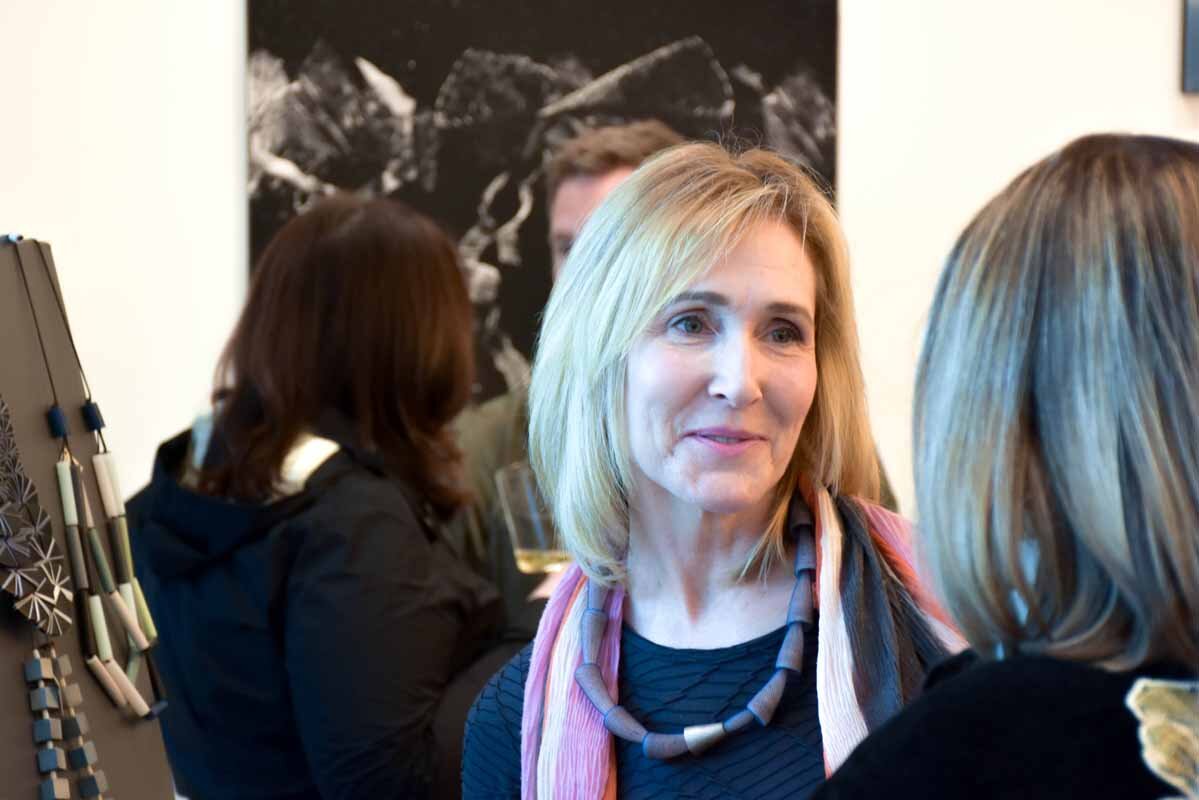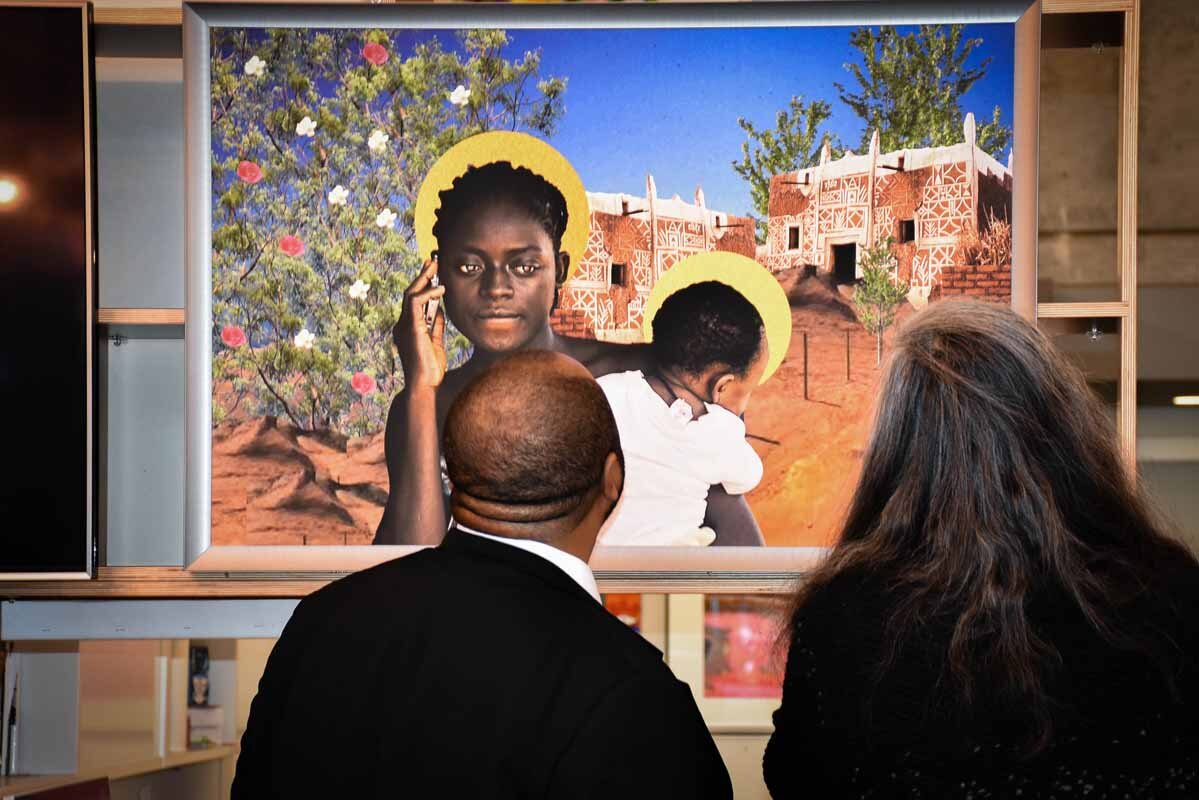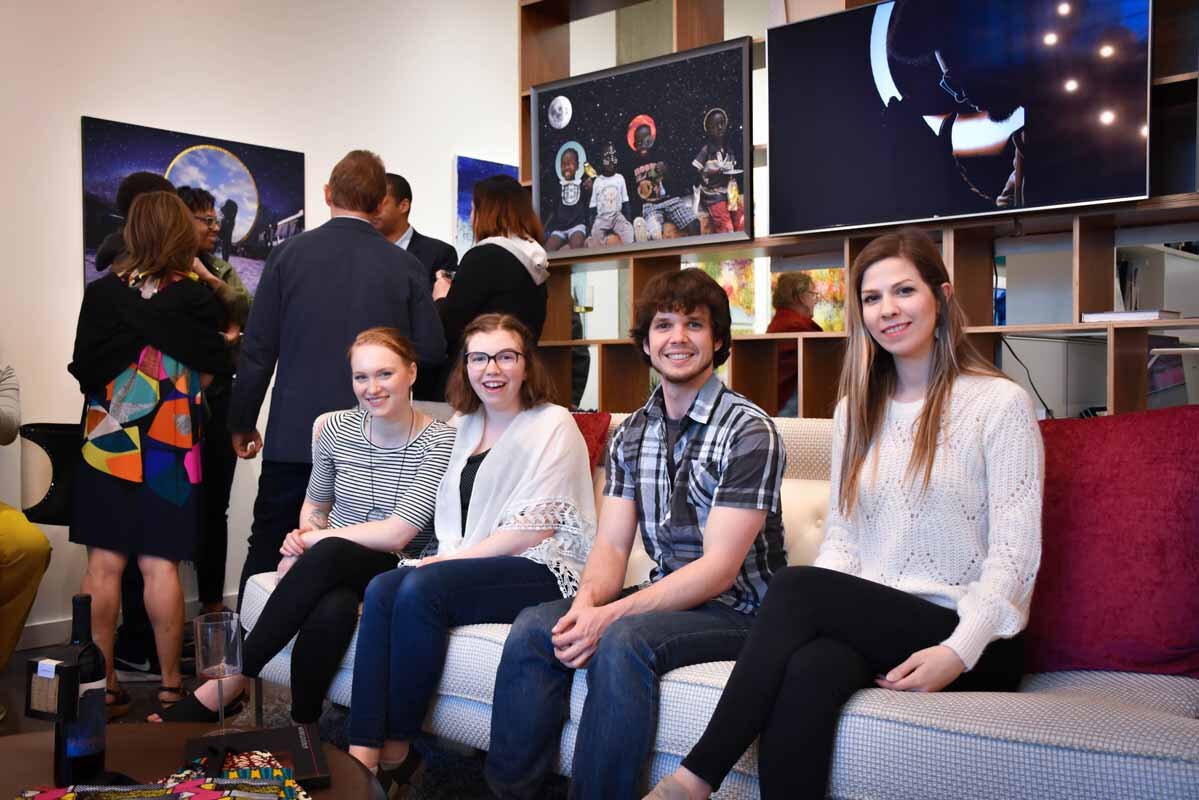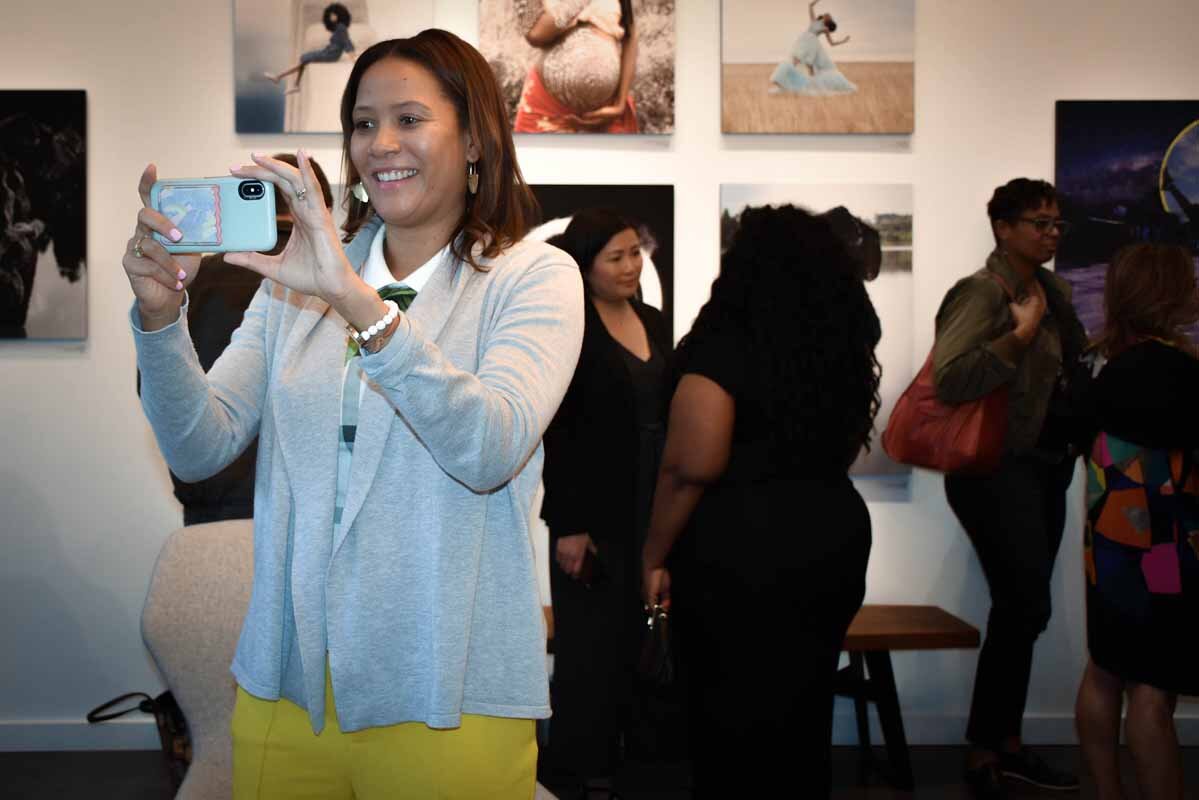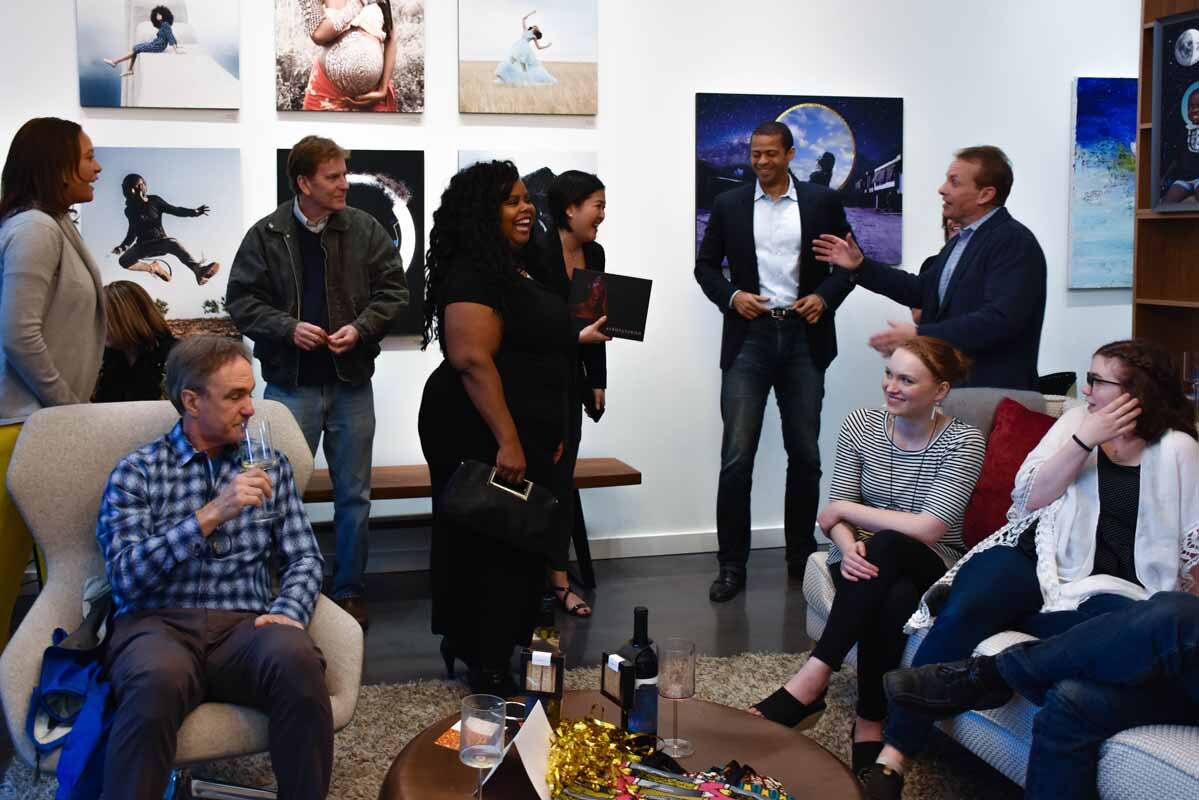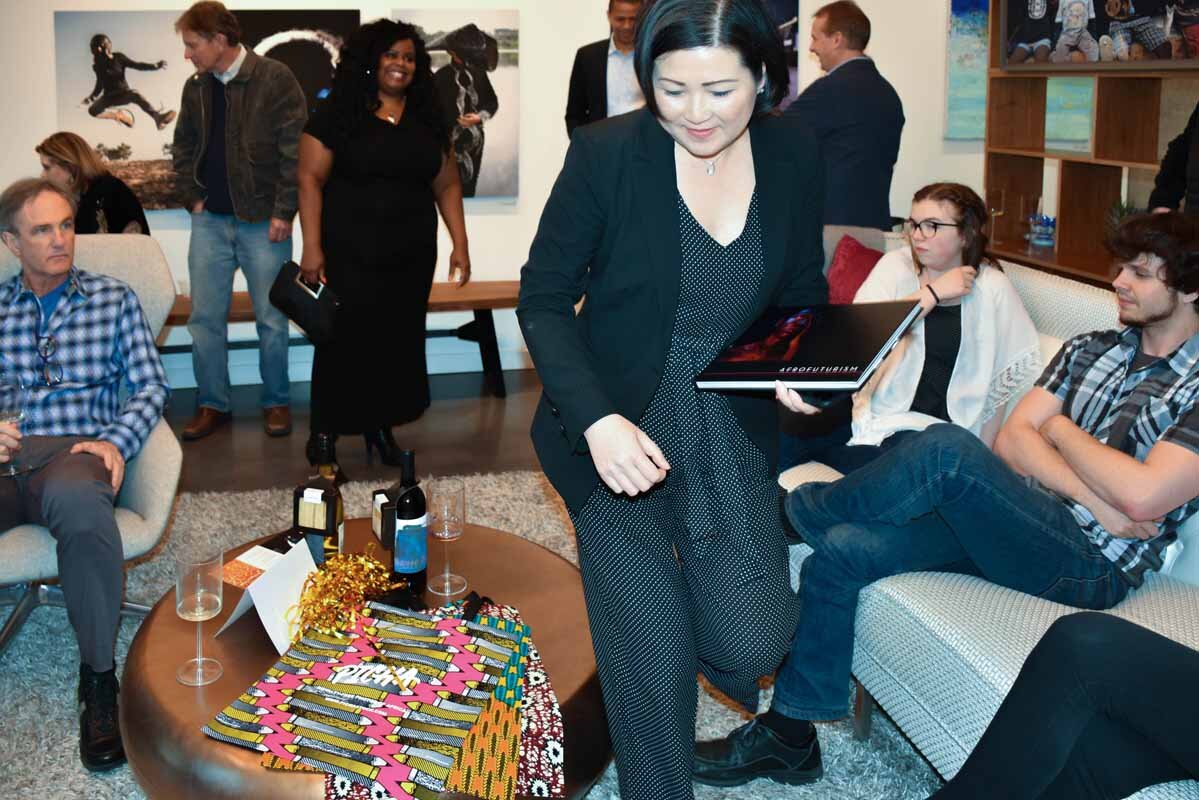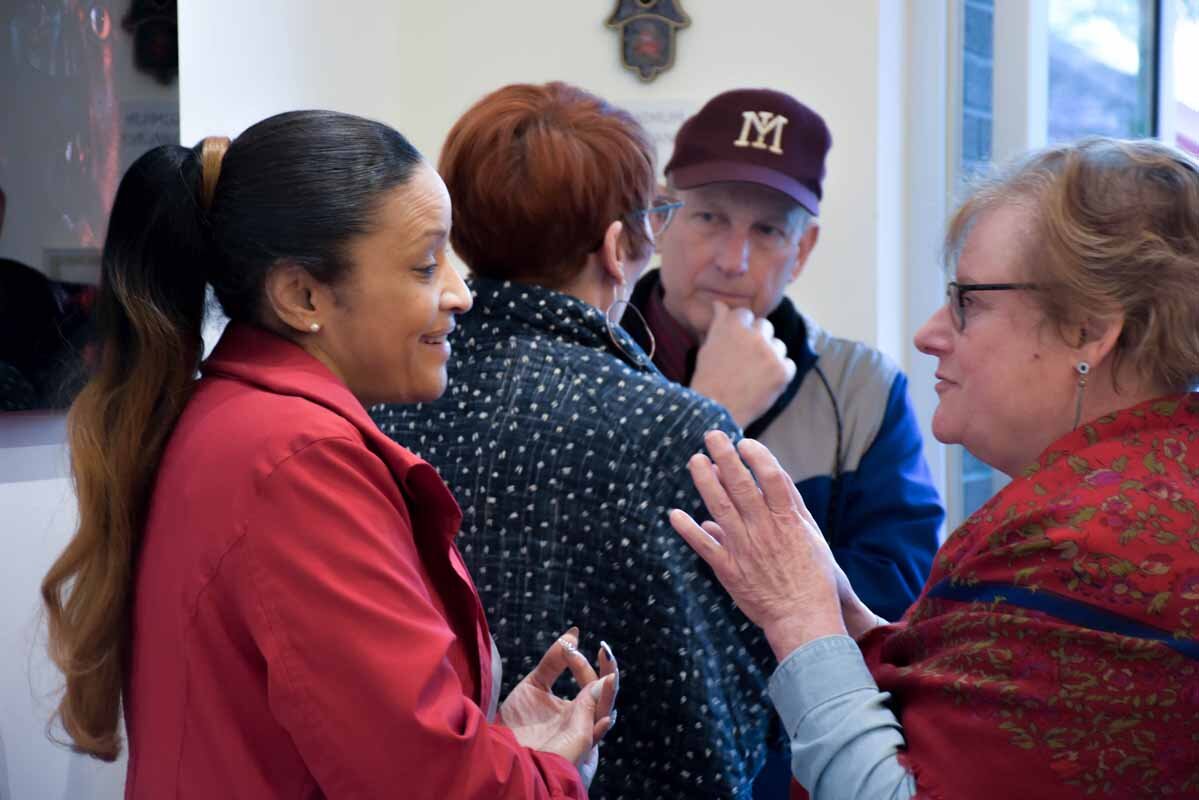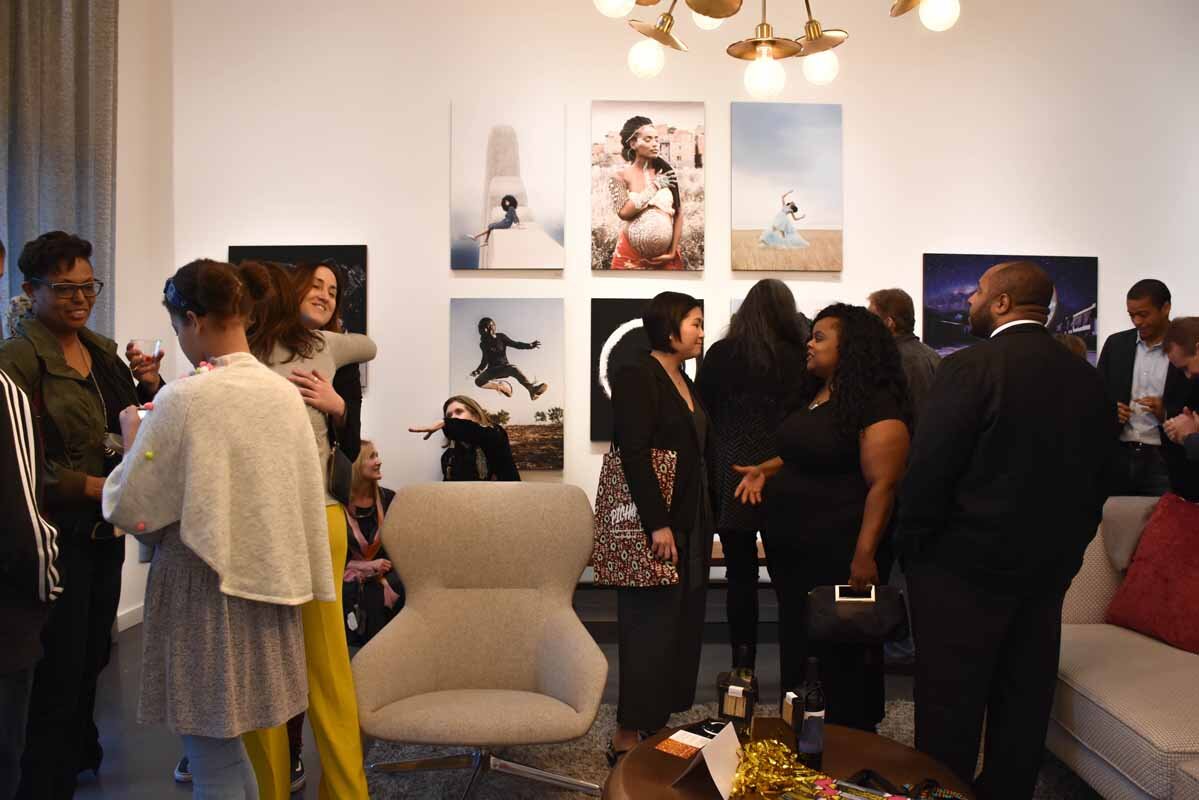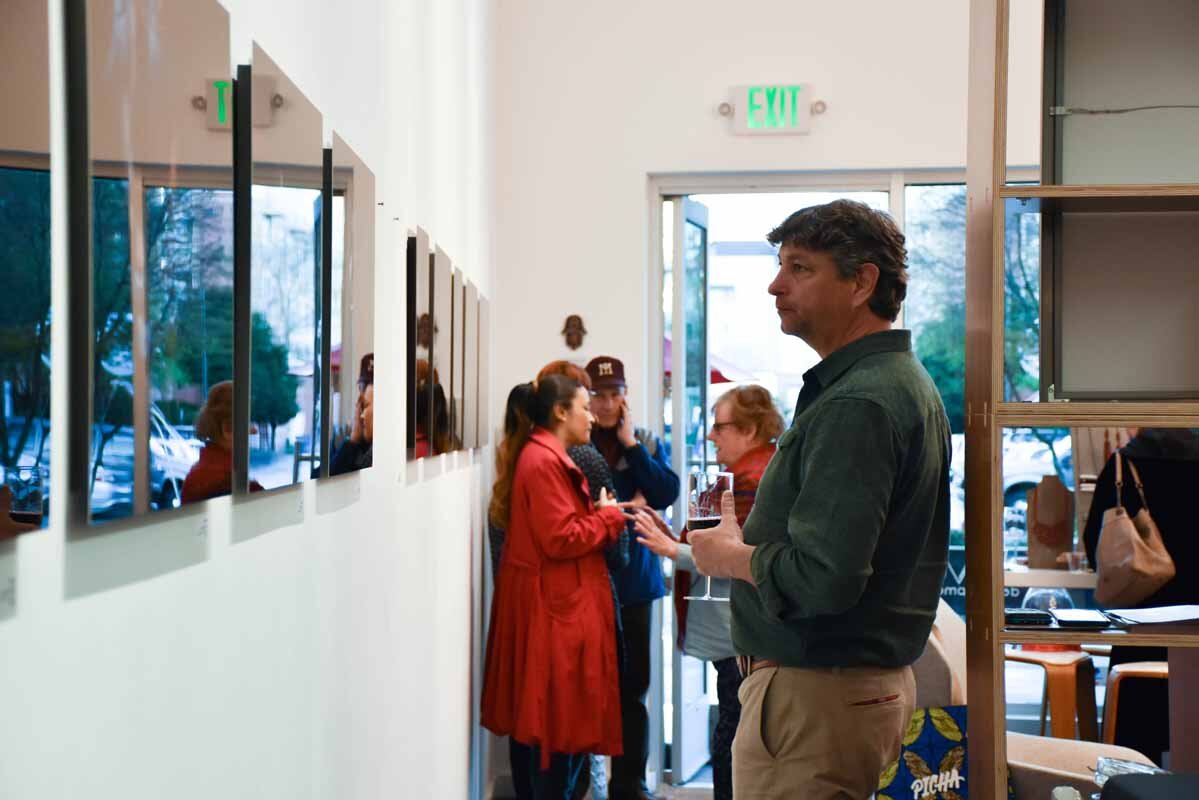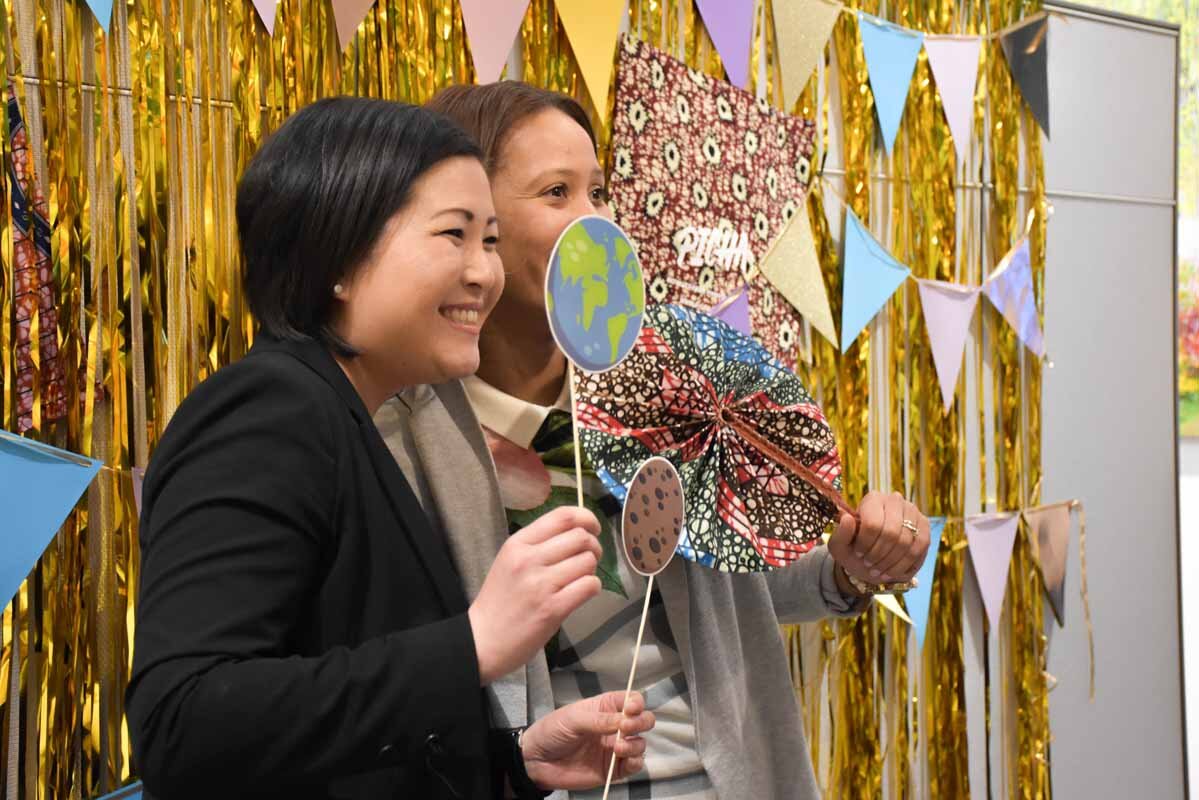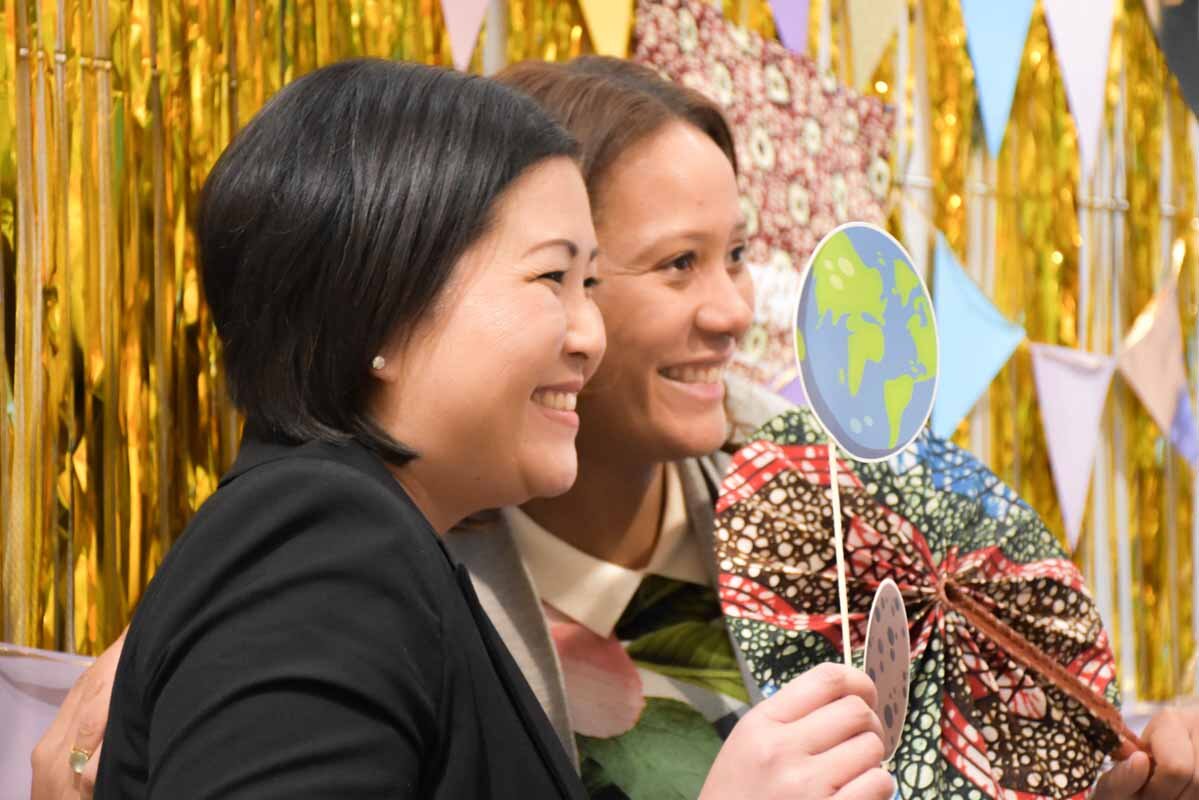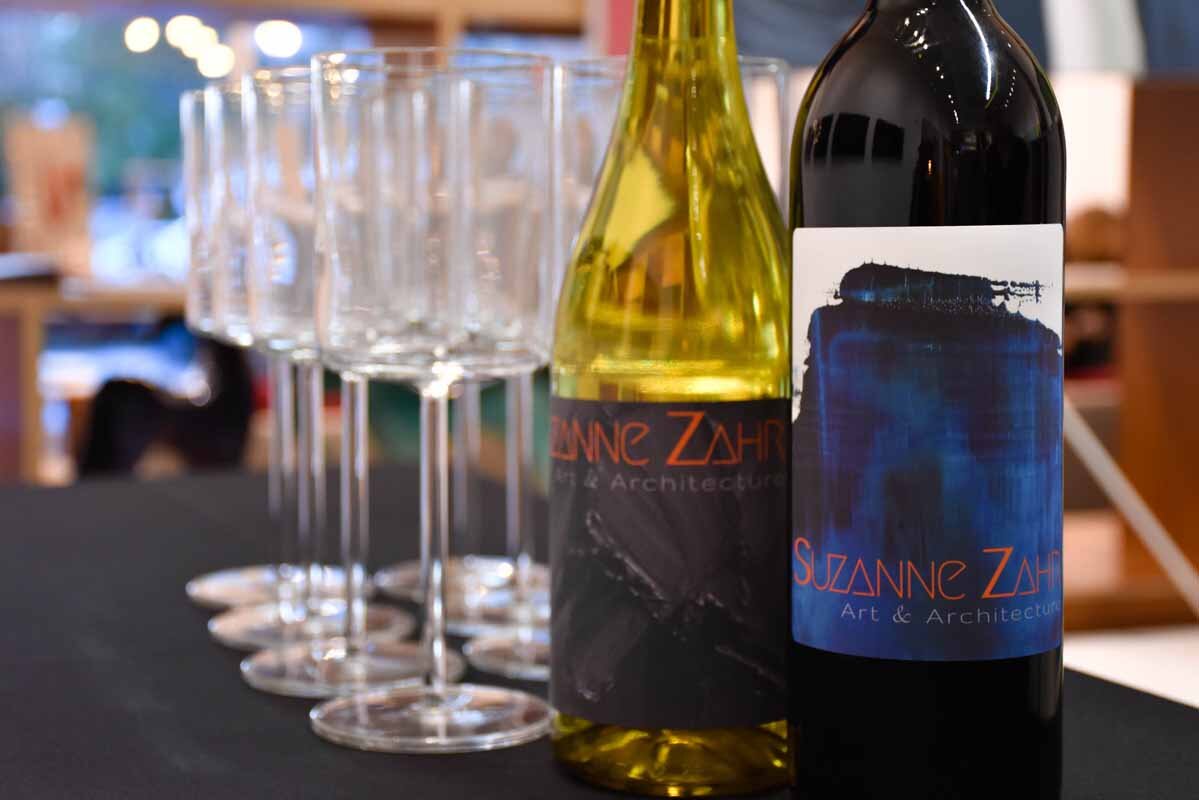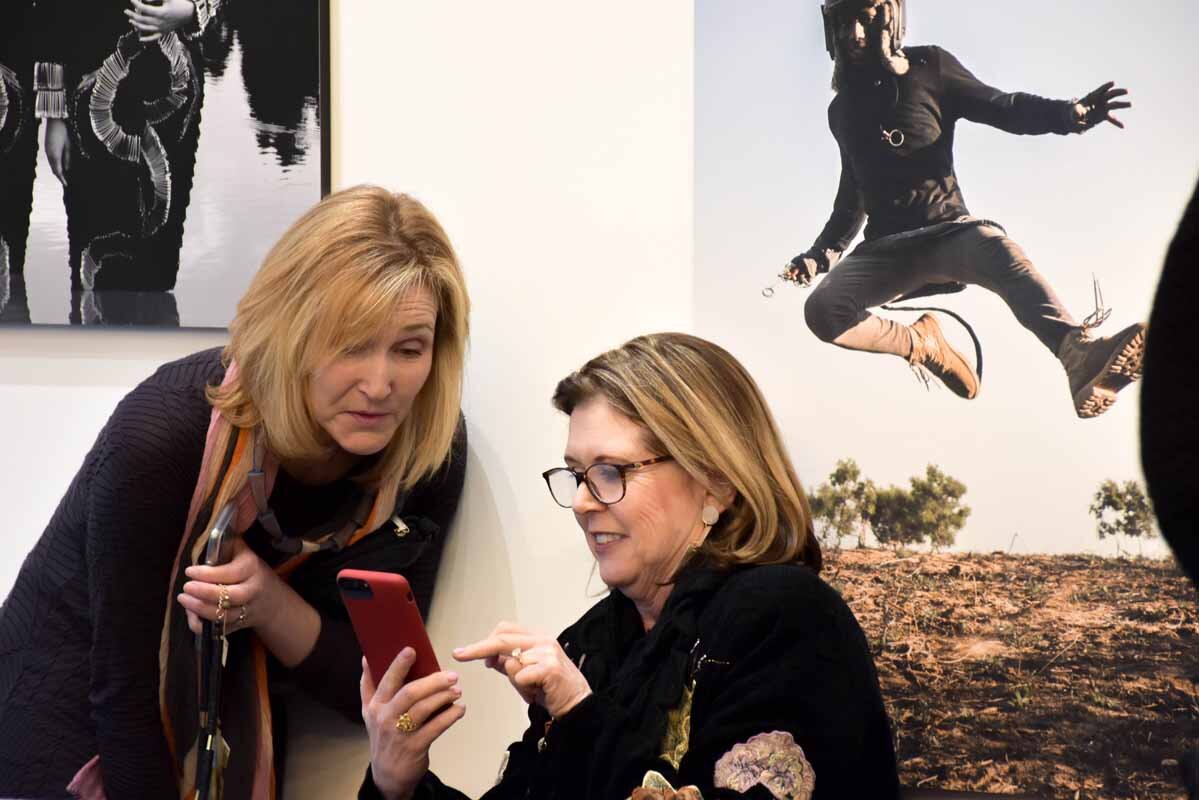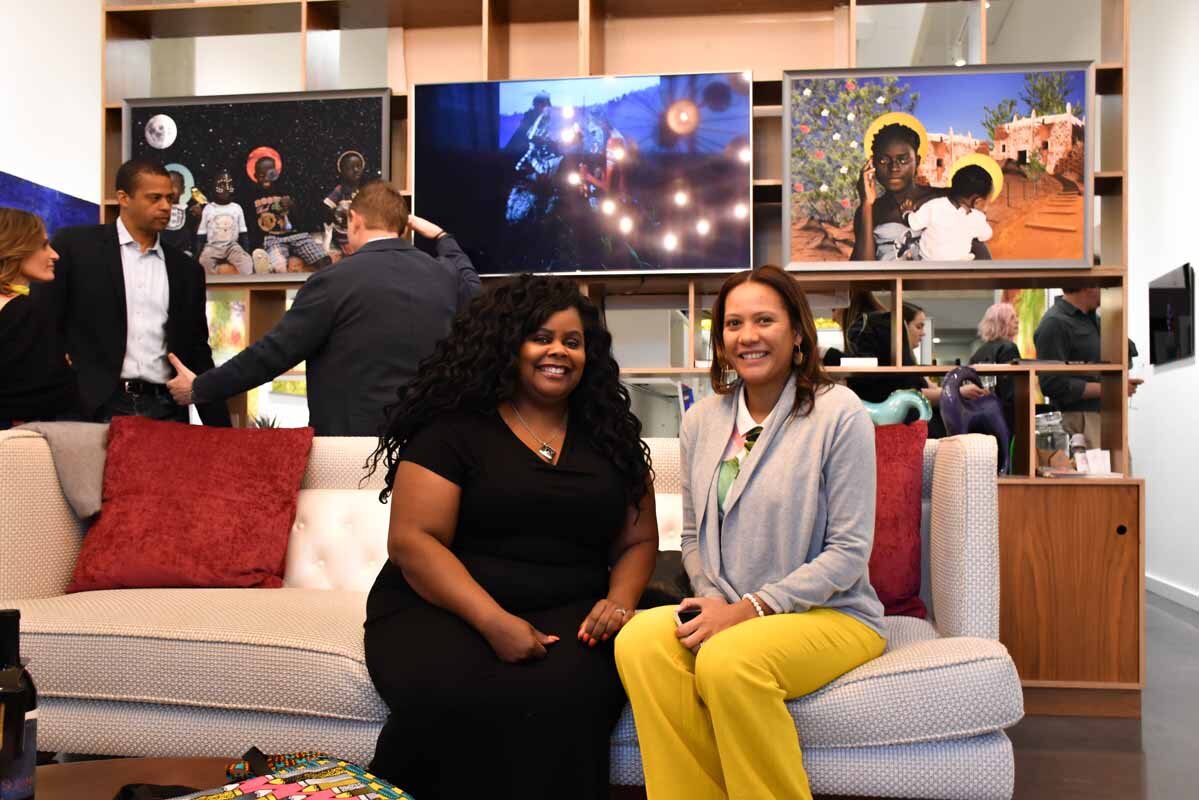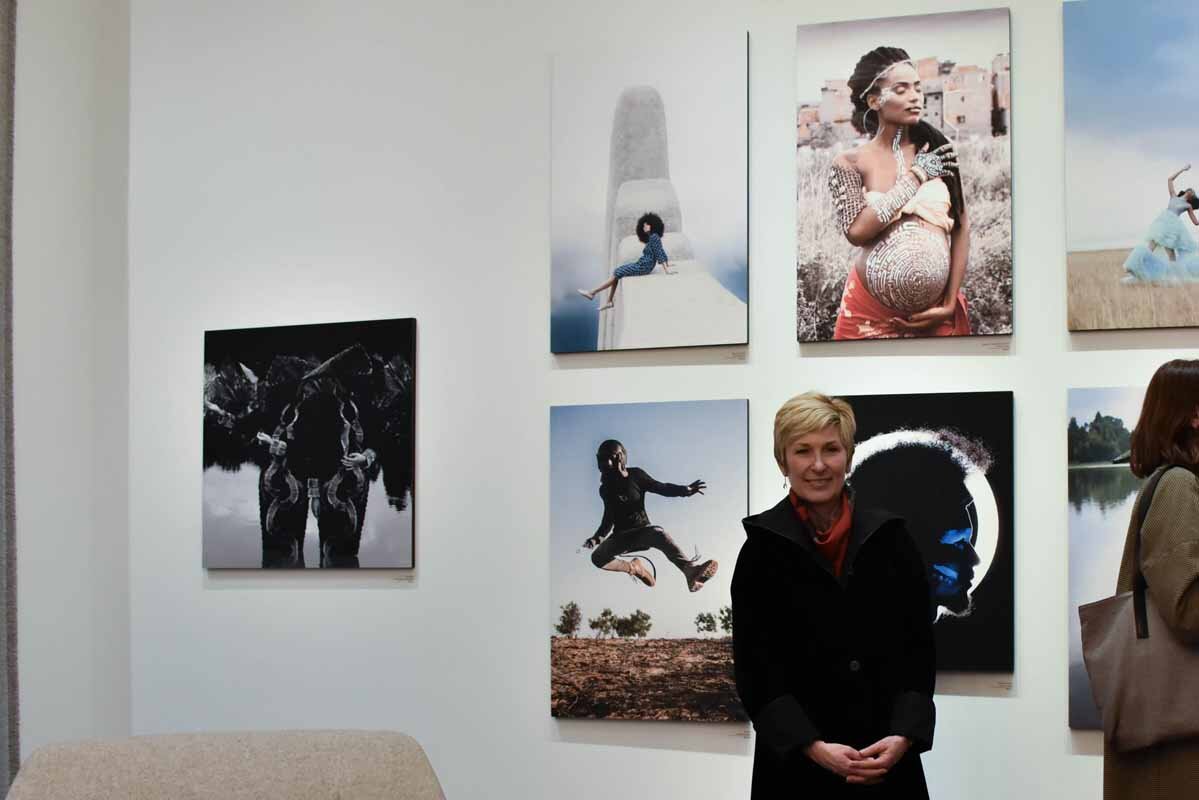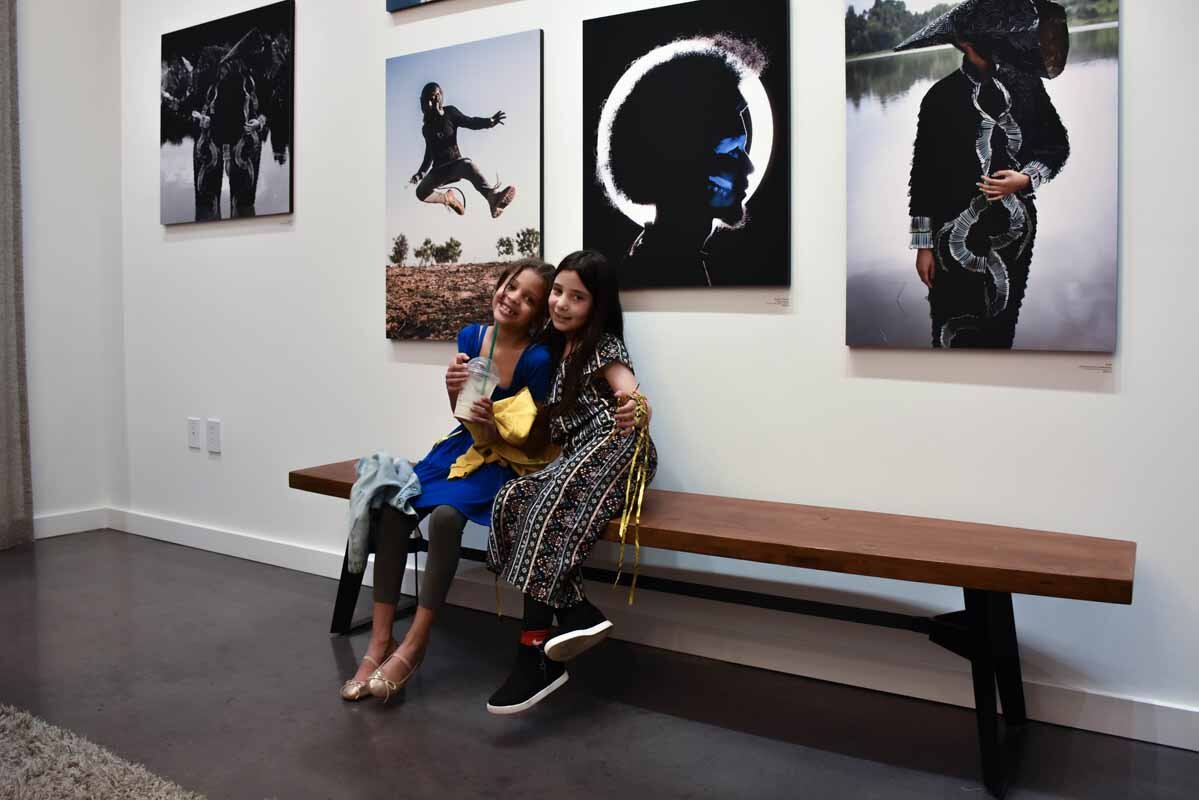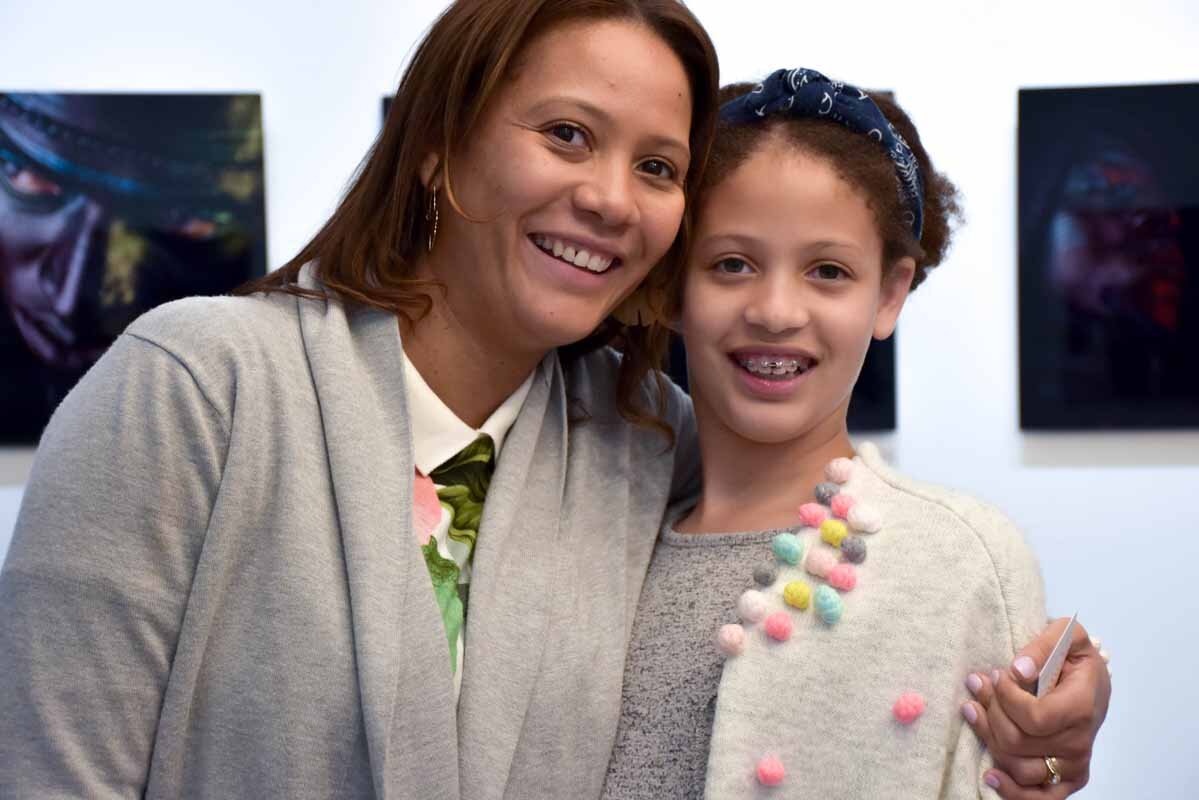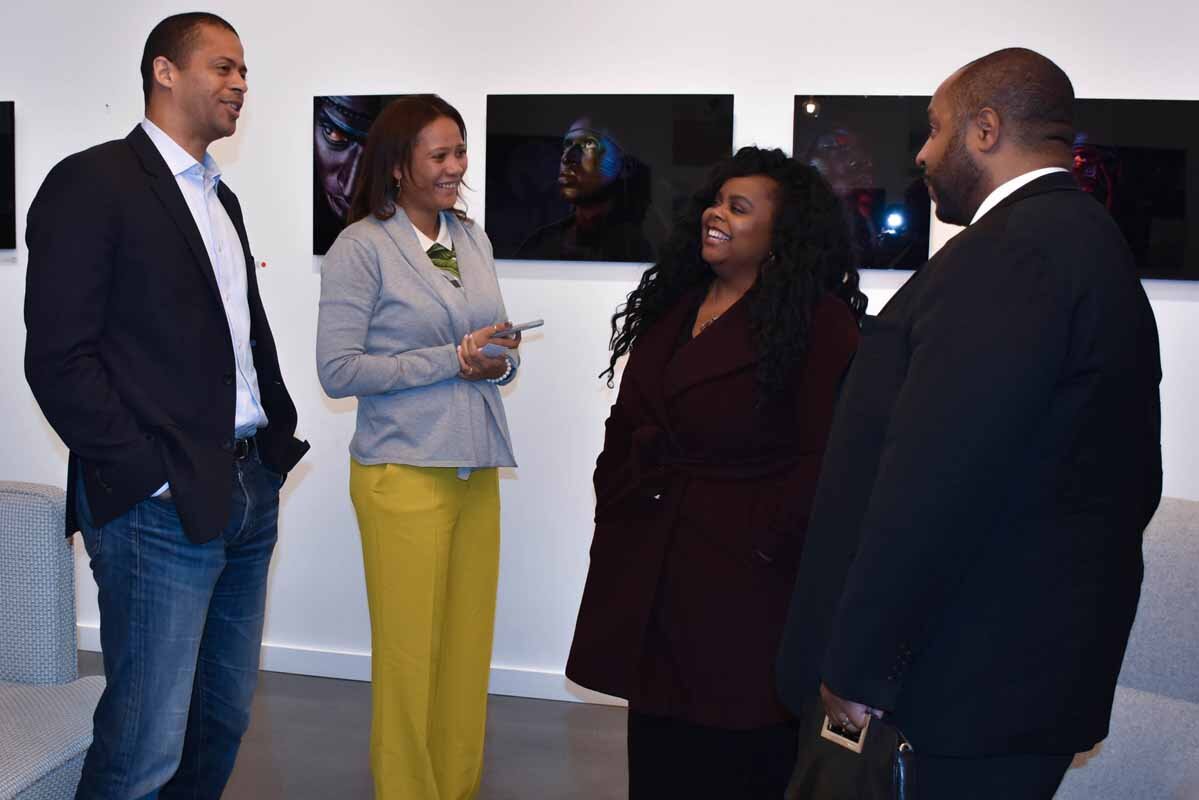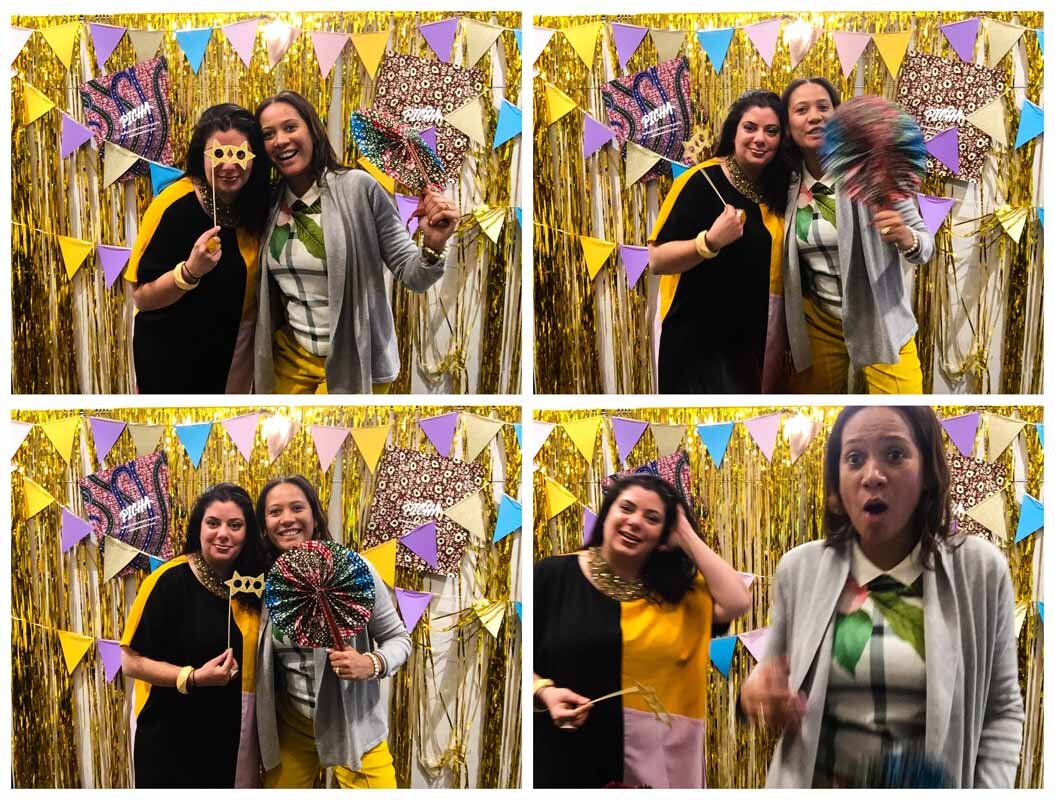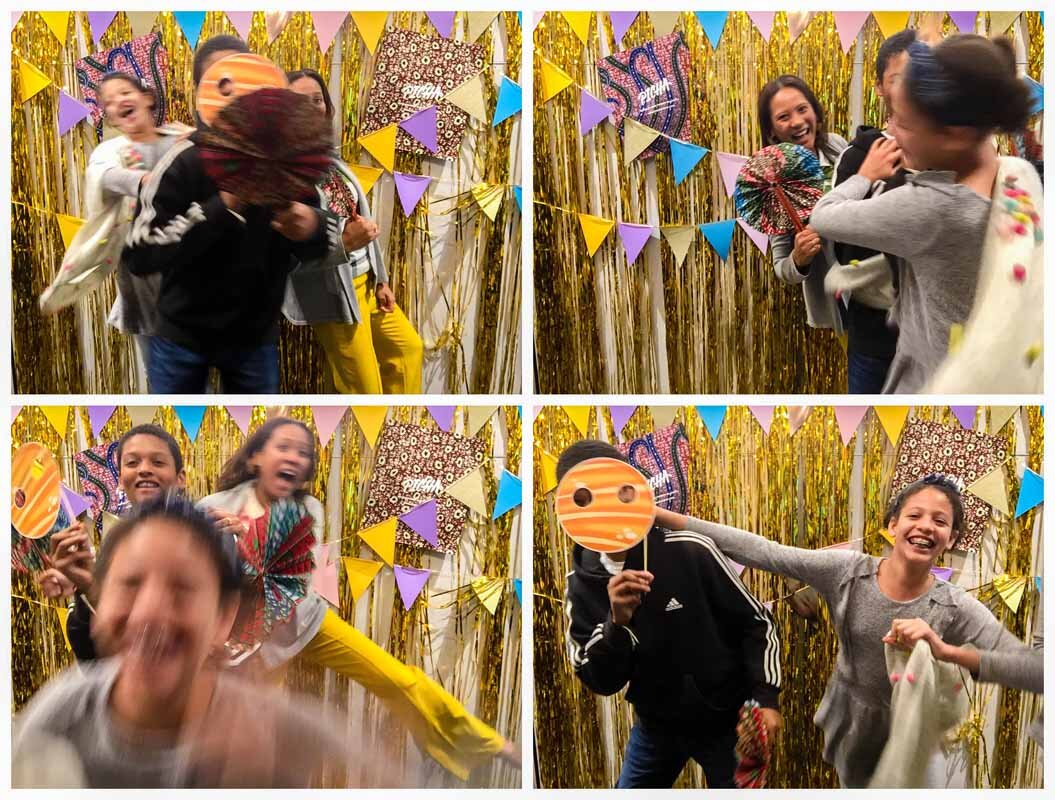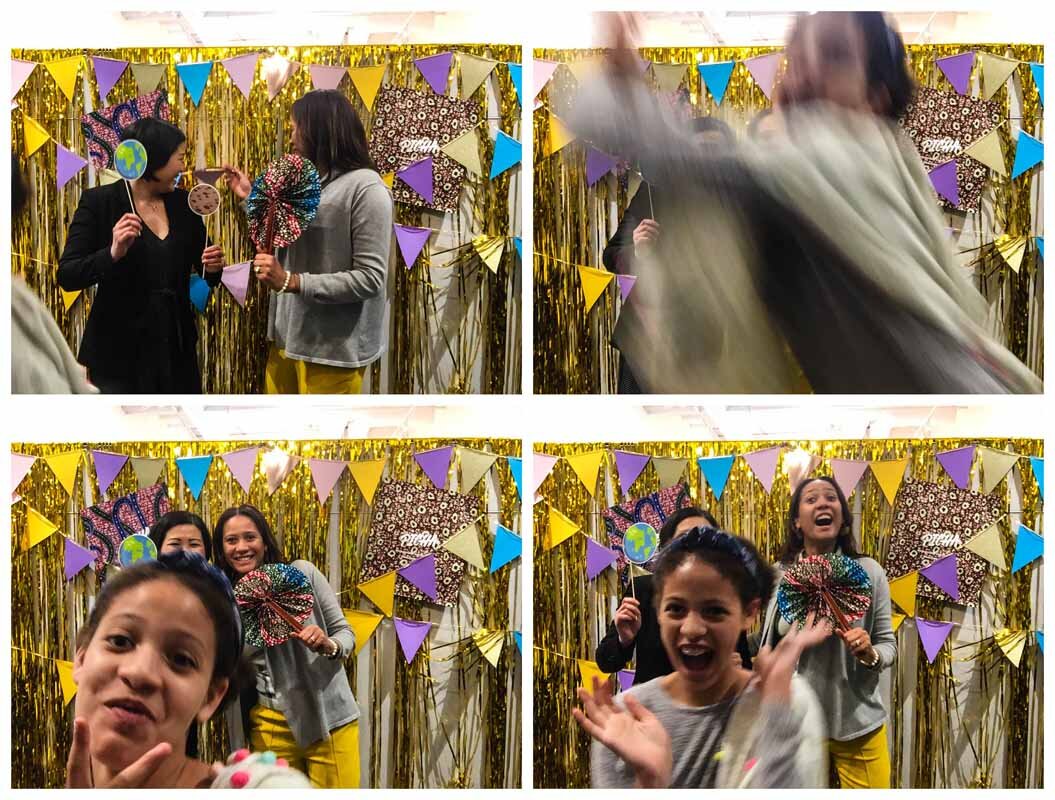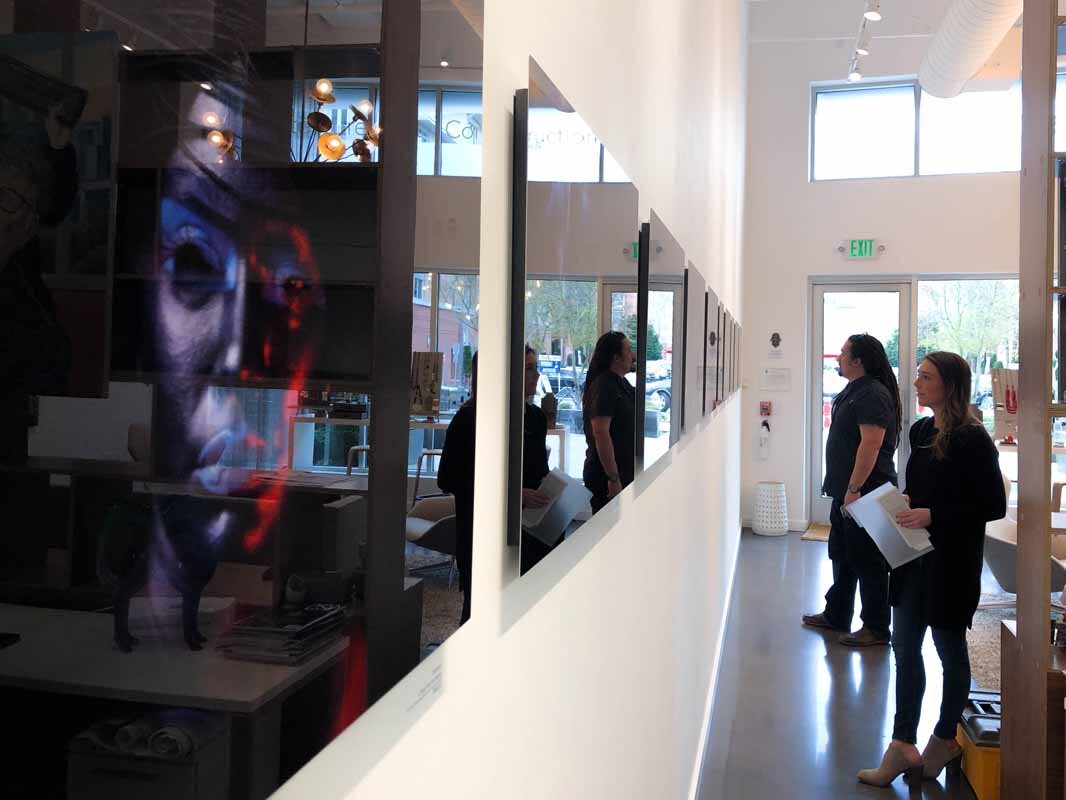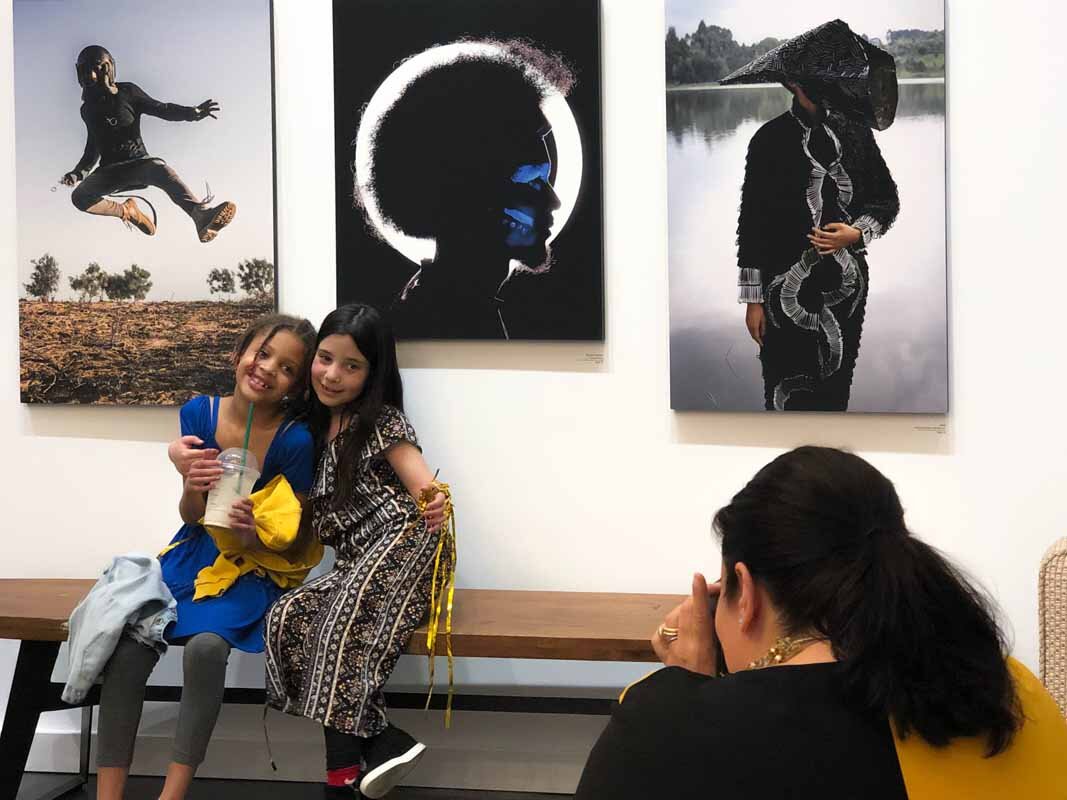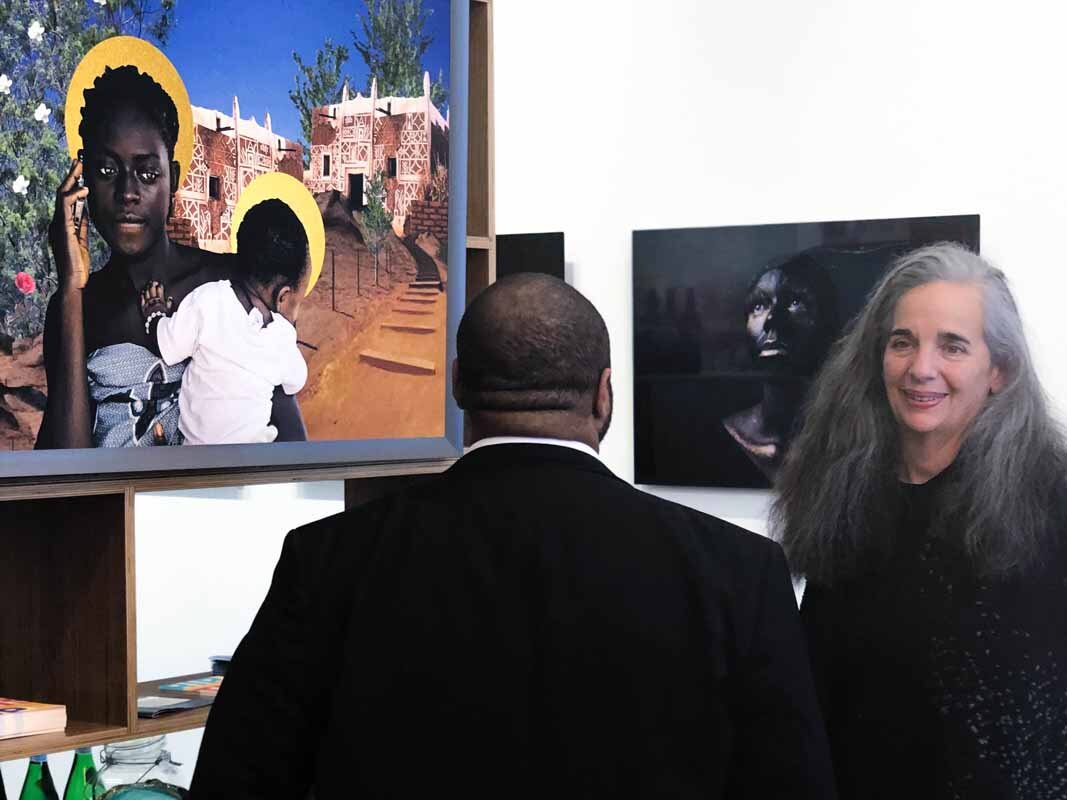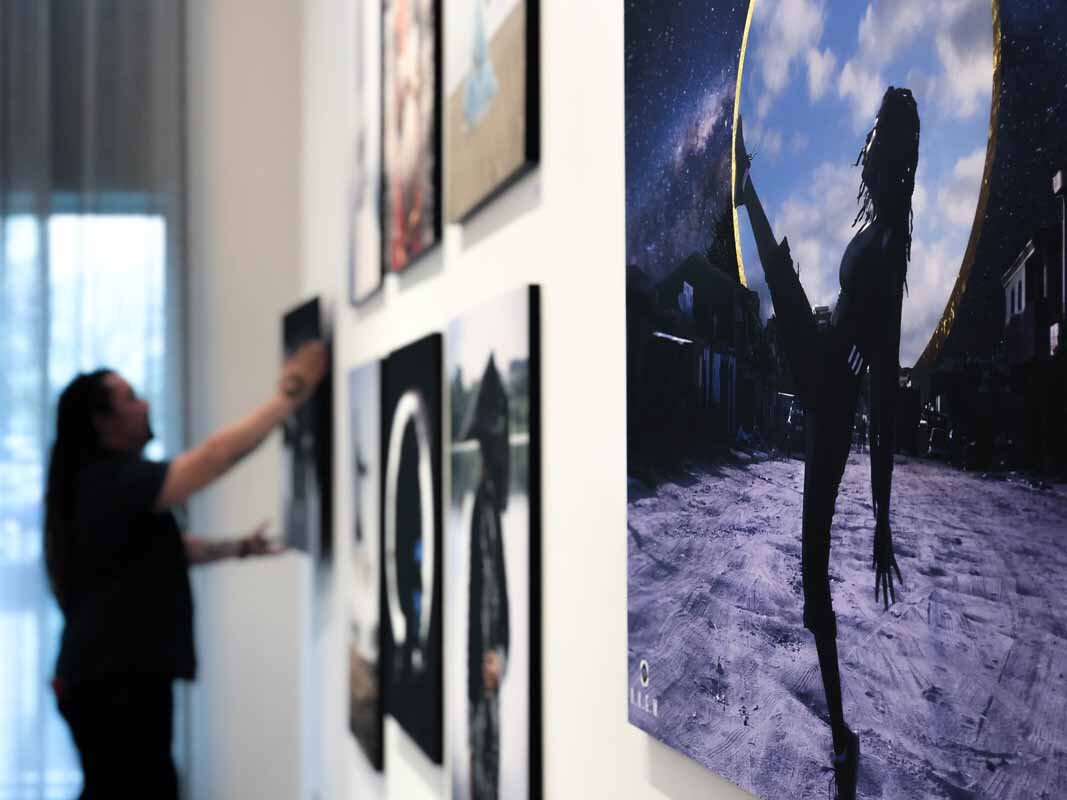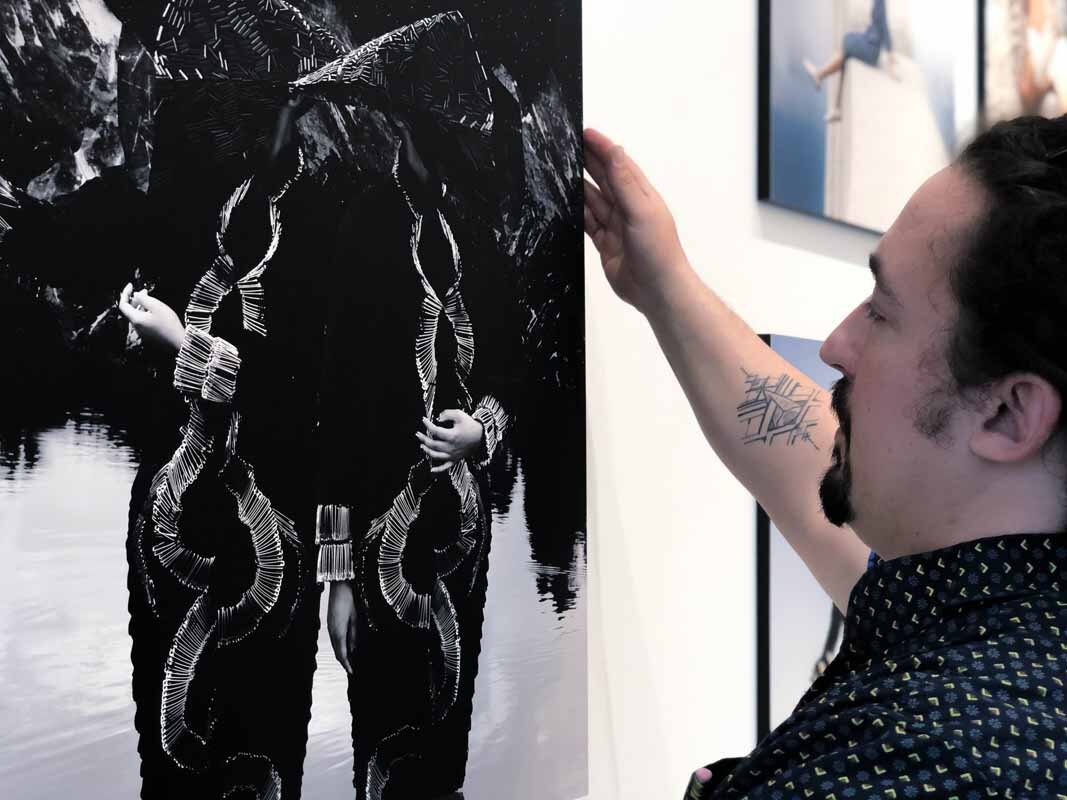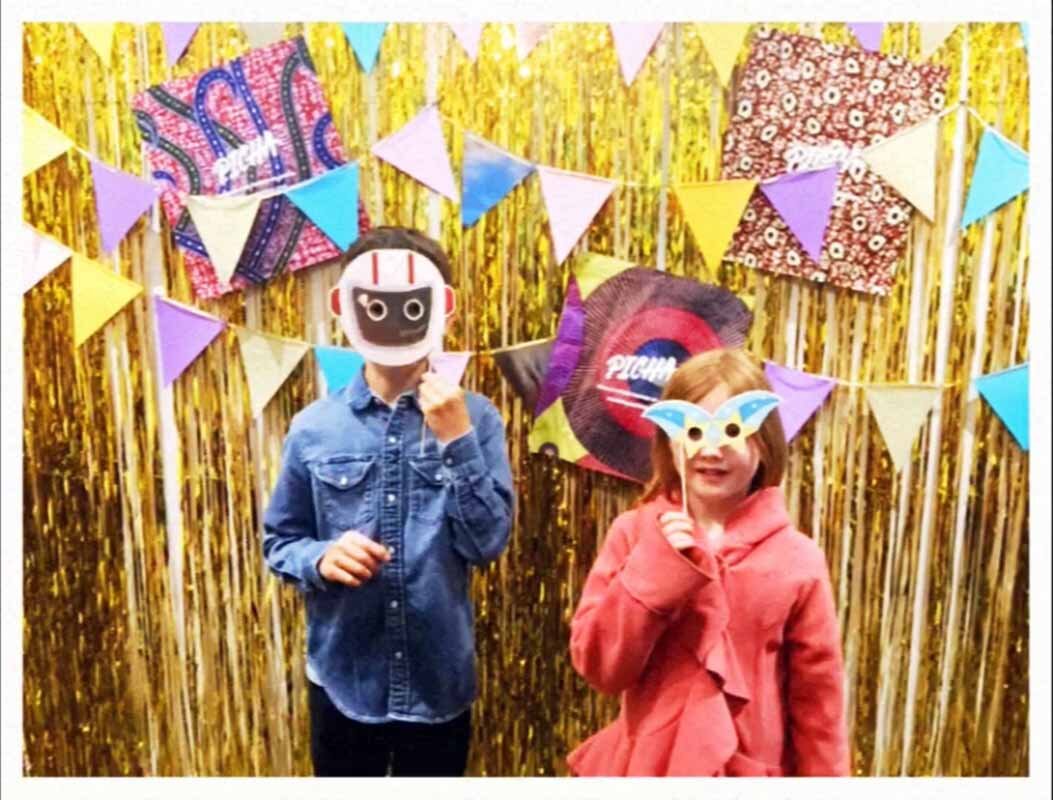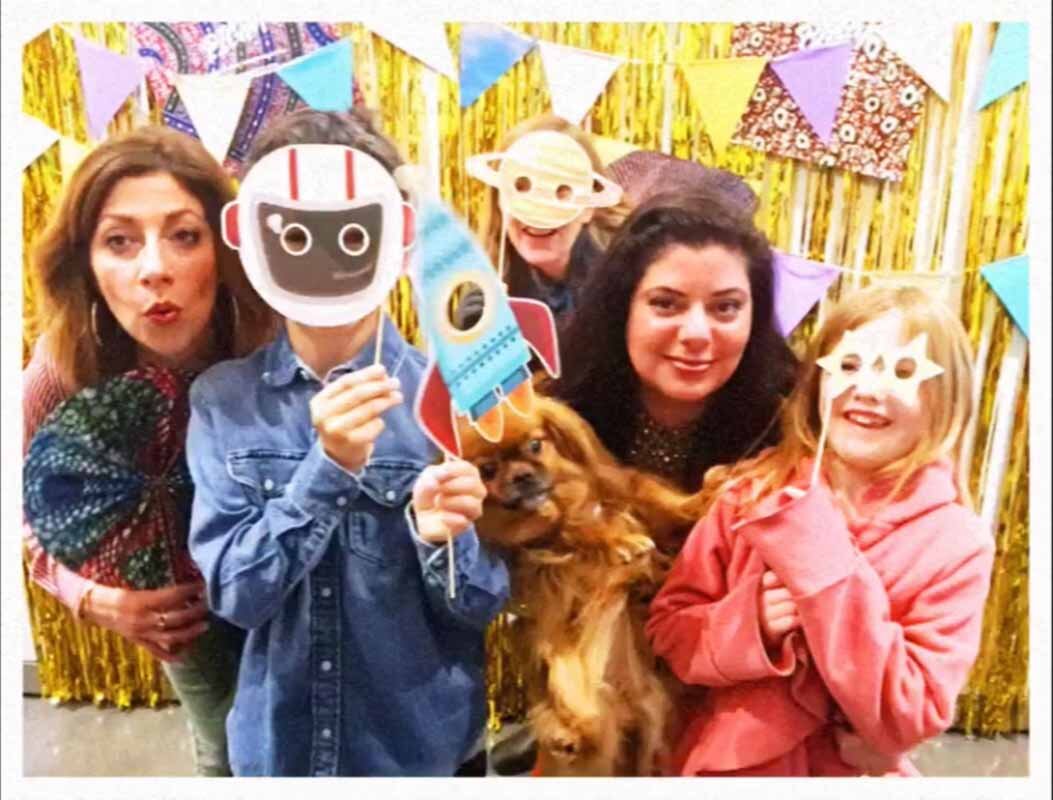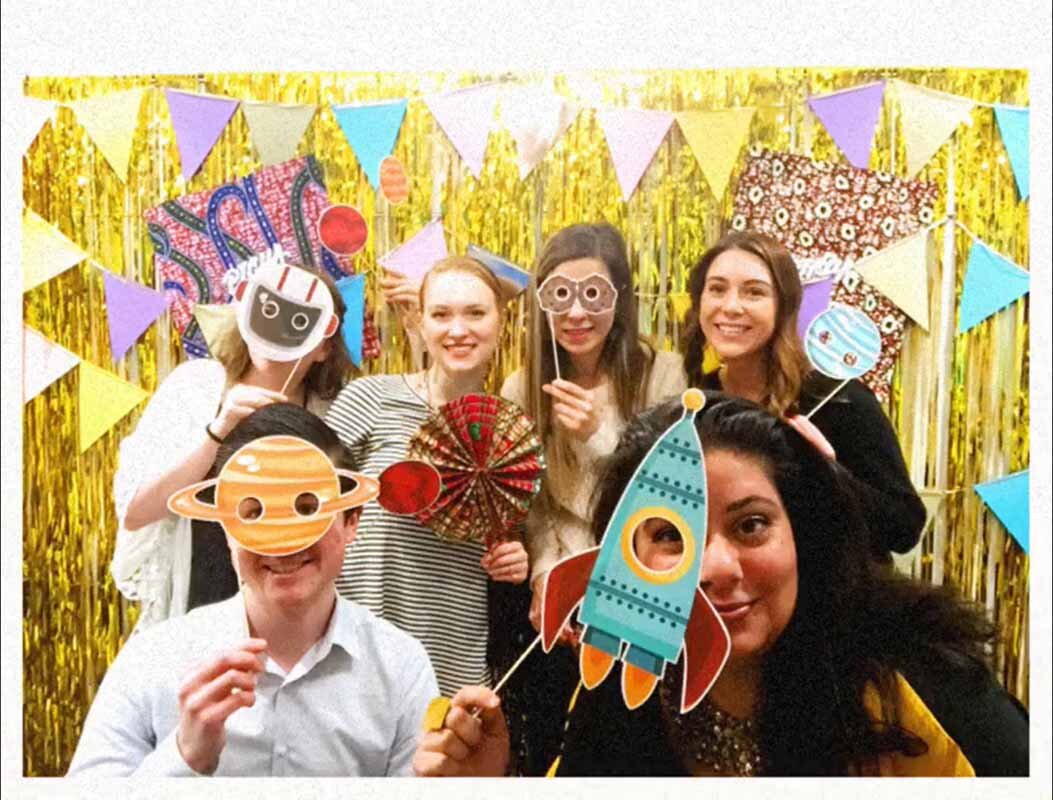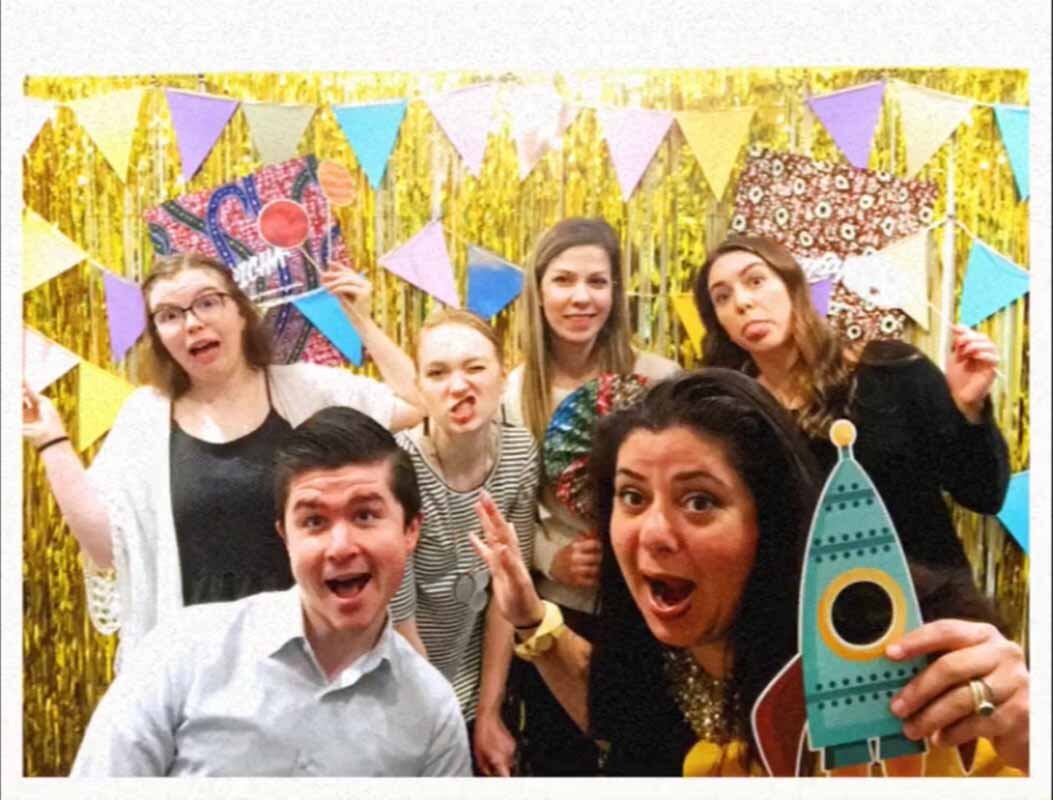
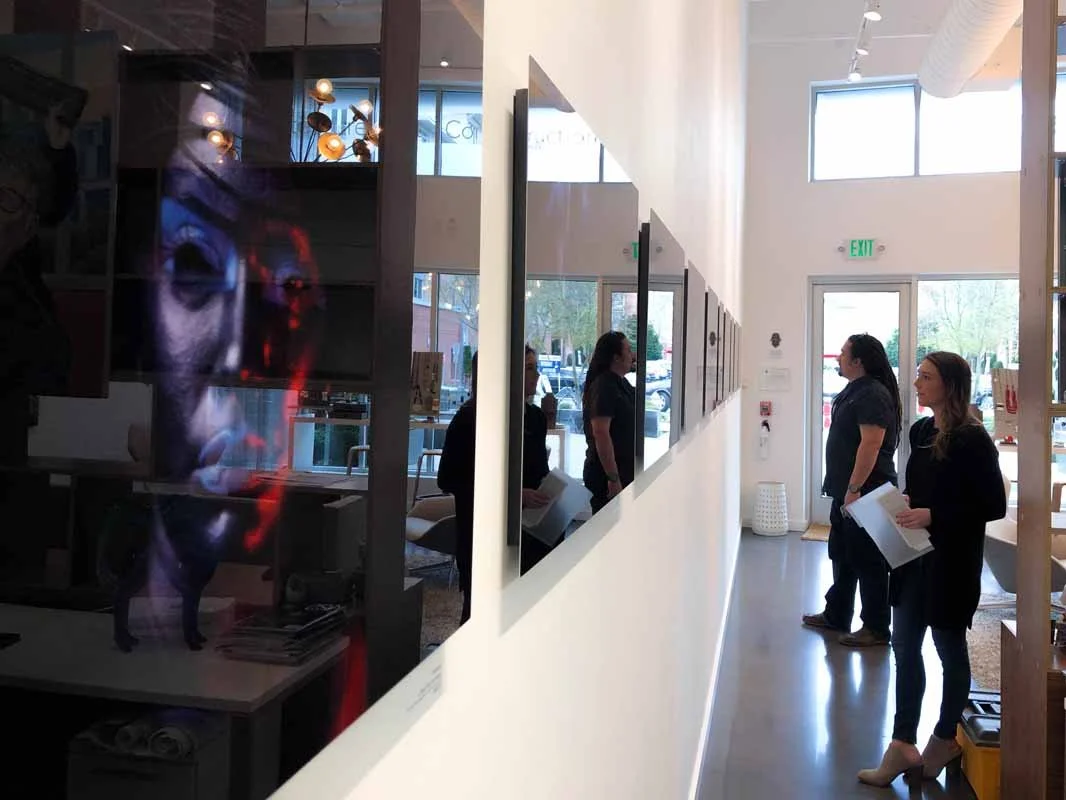
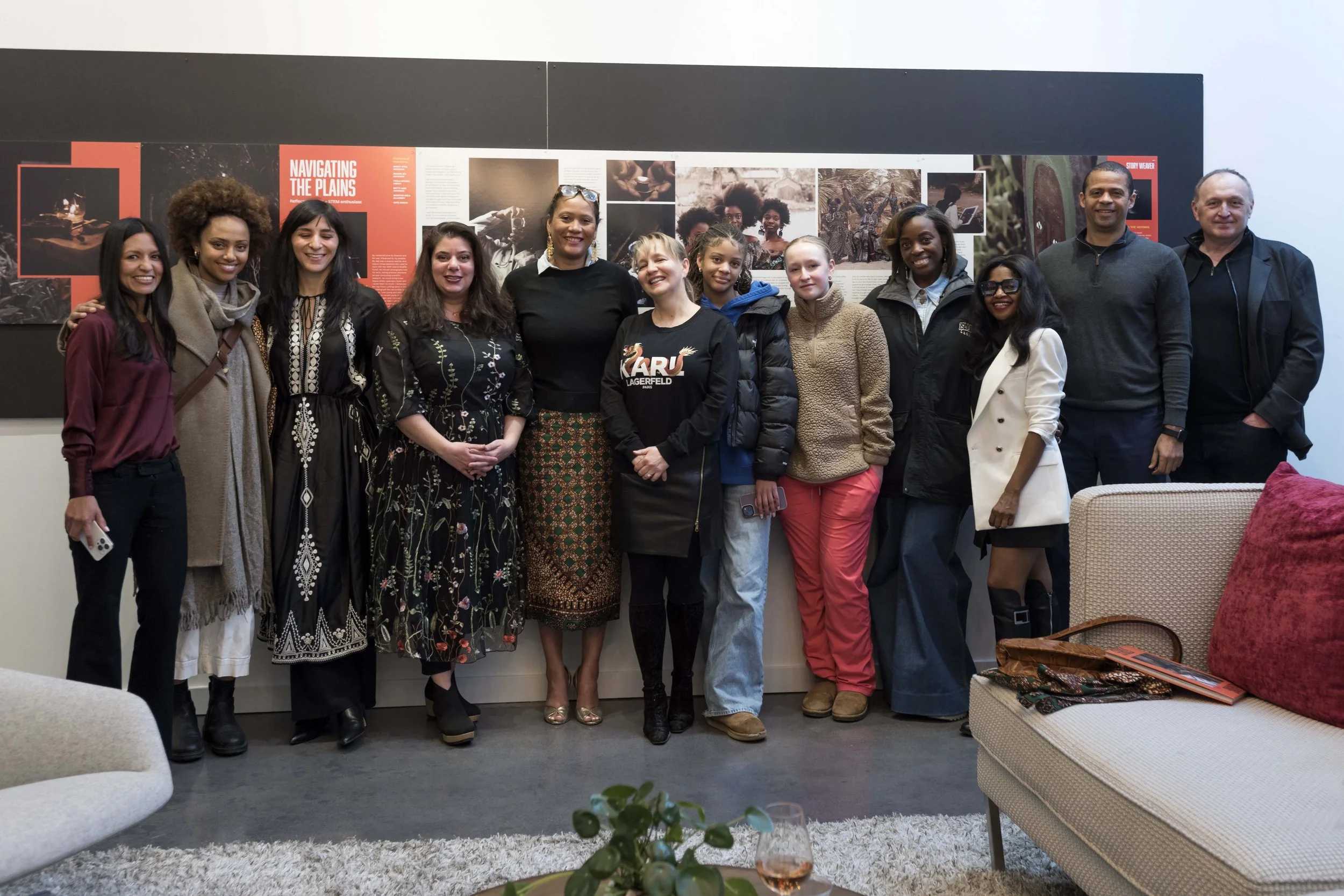
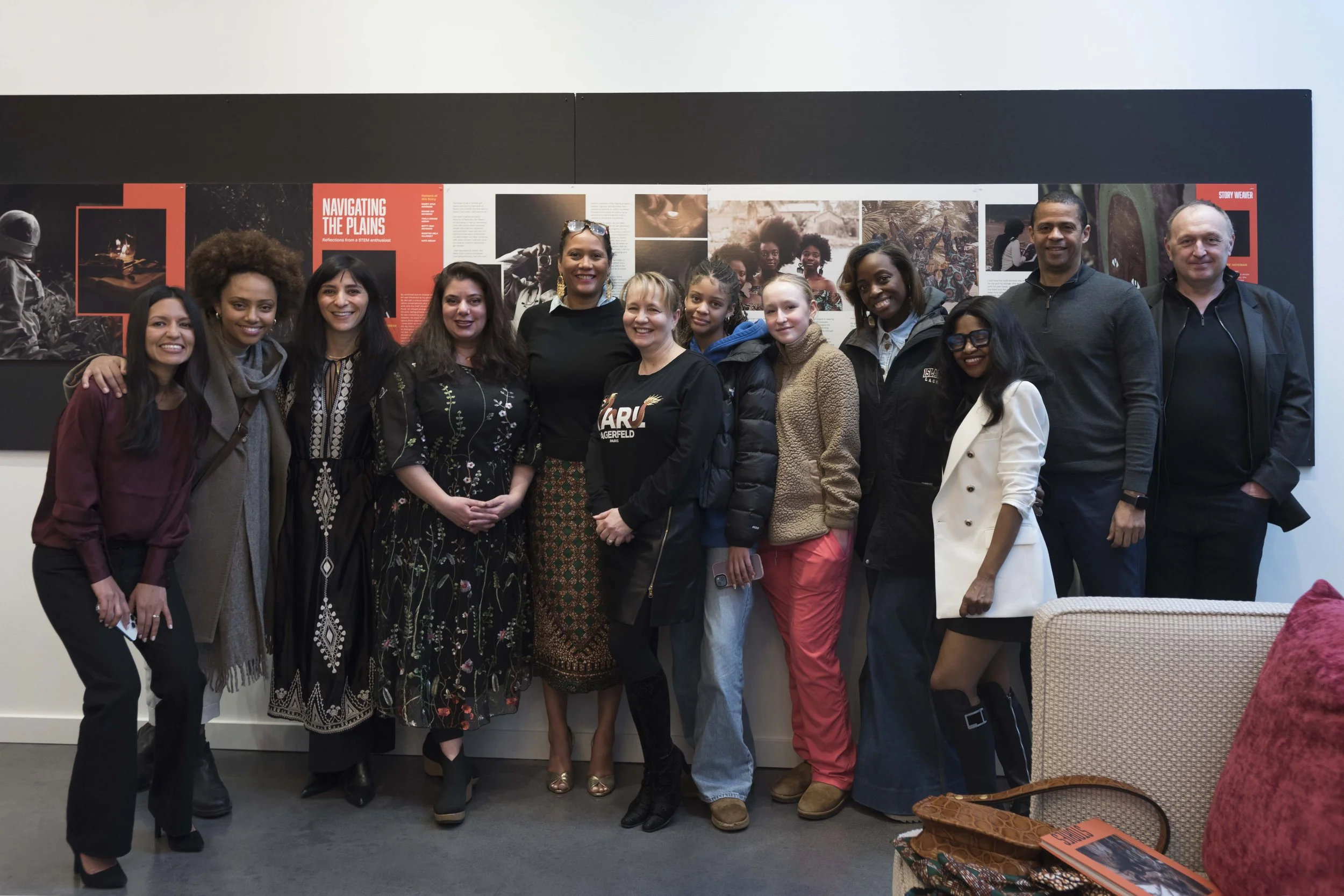
SZ Gallery has had the distinct pleasure of collaborating with Josiane Faubert, Artist and Photographer, born in Gabon. She is also the Founder of PICHA, a stock photo agency that brings curated, diverse visuals to brands and business looking to tell richer stories, inclusive of Afrocentric communities. Together, soulful exhibitions ranged from showcasing talented photographers selected during PICHA’s annual call to artists, Afrofuturism and SKIN, to a presentation of Weaving Stories, a visual storytelling book that celebrates the beauty, reslience and vibrancy of Afrocentric communities across the globe.
For International Women’s Day on Sunday, March 8, PICHA is prepared a special series highlighting women shaping creative spaces. It’s their way of not only celebrating creative talent, but also leadership, influence and impact. Suzanne Zahr has been invited to participate. She was asked these very thought-provoking questions.
1. Who are five women (living or historical) who have shaped the way you see, build, or create? Why them?
My Teta (maternal grandmother), Marie was the grounding force of our family. She was a Catholic Palestinian woman with a dry wit, salt-of-the-earth honesty, and very little patience for pretension. The voice of Fairuz often played somewhere in the background, as she moved through her day with quiet confidence. She cut straight through the noise and said what she meant. From her I learned that authenticity isn’t something you perform, it’s something to protect.
My daughter, Sabine, reminds me that authenticity is also an act of courage. She explores the world with fearless honesty, largely unimpressed by trends or expectations. Creating a home where she can discover herself freely has reshaped how I think about space, belonging, and what it truly means to build something that nurtures life.
The writing of Susan Abulhawa has been a compass for me in recent years. Her words carry grief, dignity, and unwavering truth. In moments when the world feels disorienting, her voice reminds me that storytelling, whether through literature, art, or architecture, is a way of preserving truth.
Frida Kahlo continues to move me deeply. Despite profound hardship, she expressed herself creatively with radical honesty. Her work feels like emotional architecture in how she conceived spaces where pain, identity, and beauty coexist without apology.
And then there is Miriam Makeba, whose voice carried resistance across continents. She embodied the power of art to hold dignity in the face of injustice. Her legacy reminds me that creativity is not only expression, but also liberation.
2. How does your identity as a woman influence the way you design, curate, paint, photograph, or build your work?
Being a woman shapes the way I think about space in deeply intuitive ways. I’m drawn to environments that feel layered, nurturing, and emotionally resonant, not just visually striking.
Women often experience space with a heightened awareness of care, safety, and human connection, and that sensitivity naturally informs my work. When I design or curate, I’m thinking about how people move through a place, how light settles into a room, and whether the space invites people to feel grounded and seen.
For me, architecture is storytelling. Materials, proportions, and art carry meaning. Together they create environments that reflect the lives, memories, and identities of the people who inhabit them.
3. What is one structural change you would love to see in your industry that would meaningfully shift access or equity for women — especially women of color and intersectional voices?
Real change begins when decision-making power shifts. Too often, the institutions that fund, commission, and validate creative work remain shaped by the same narrow circles.
When women, especially women of color and those shaped by diasporic experience, are trusted as curators of culture, gatekeepers of resources, and leaders of creative institutions, the entire landscape begins to change. New aesthetics emerge. New stories take form. Entire communities finally see themselves reflected in the spaces and cultural narratives around them.
4. What do you believe is your creative superpower?
My creative superpower is intuition, the ability to sense the emotional current beneath a place, a person, or an idea.
Architecture and curation both require deep listening to history, to land, and to the quiet stories people carry with them. I’ve grown to trust that intuitive process. It allows me to bring together materials, art, and space in ways that feel soulful rather than purely structural.
In many ways, my work is about creating spaces where stories can live. It’s where architecture, art, and human experience intersect.
5. What would you tell your younger self — or a young woman entering your field today?
Trust the instincts that make you different. They are not obstacles, they are your compass.
There will be moments when systems try to convince you to soften your voice or narrow your vision. Don’t. Creativity has always been one of humanity’s most powerful forms of resistance.
Build boldly. Travel widely. Stay curious about people and cultures. And remember that the spaces you create, whether physical or artistic, have the power to hold stories that might otherwise be forgotten.
Bio: Suzanne Zahr
Suzanne Zahr works at the intersection of architecture, construction, and curatorial practice, approaching design as a form of storytelling where materials, light, and art come together to create spaces that hold human experience. Guided by intuition, authenticity, and a belief that creativity is a necessary force for resisting oppression, she creates environments that foster connection, reflection, and belonging. Born in Southern Lebanon to Palestinian parents and raised in the United States, her life has been shaped by movement, memory, and a deep curiosity about how art and architecture carry the stories of people and place. Whether building homes or curating exhibitions, she seeks to craft spaces that preserve memory while inviting new stories to unfold.
Let’s celebrate the power of visual storytelling together.
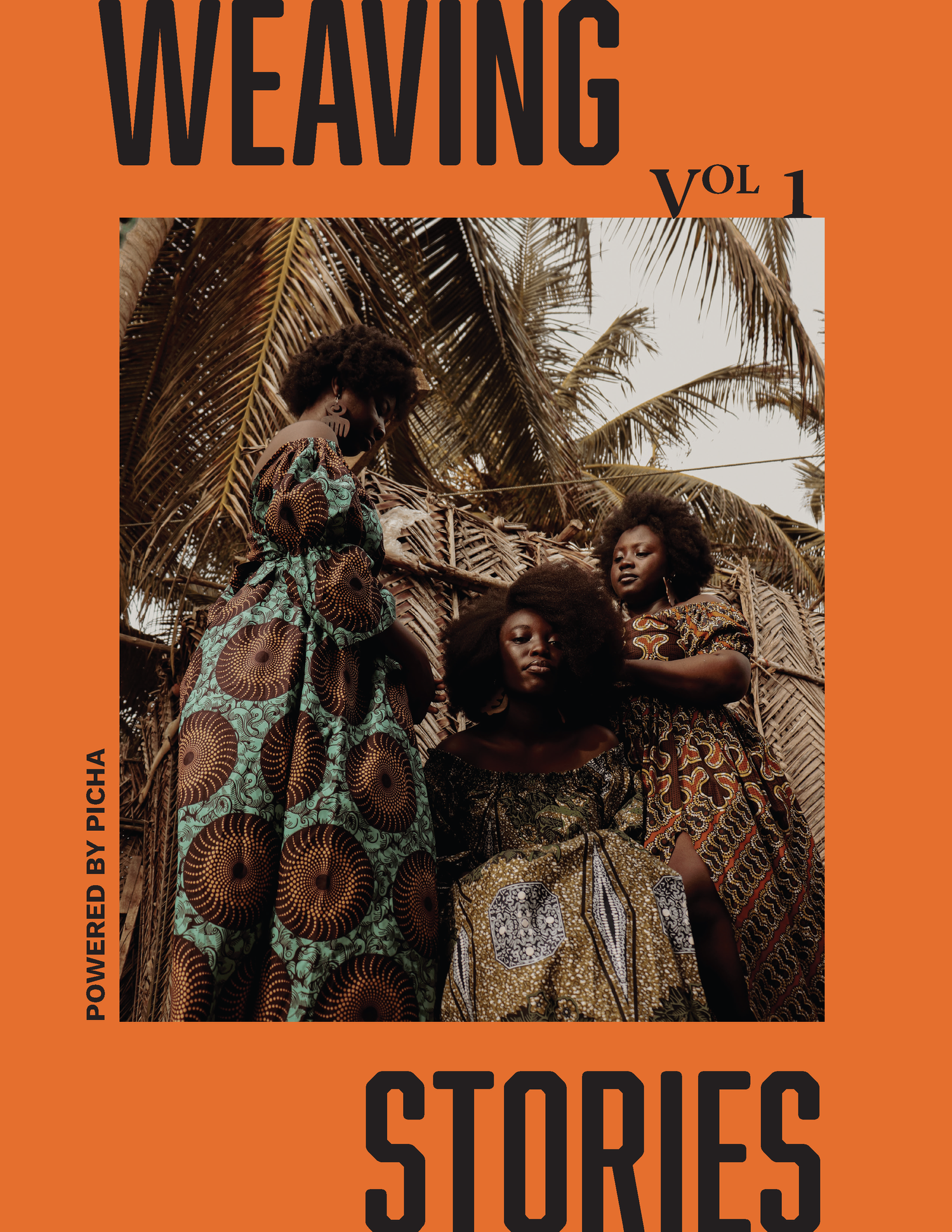
Weaving Stories. 2025
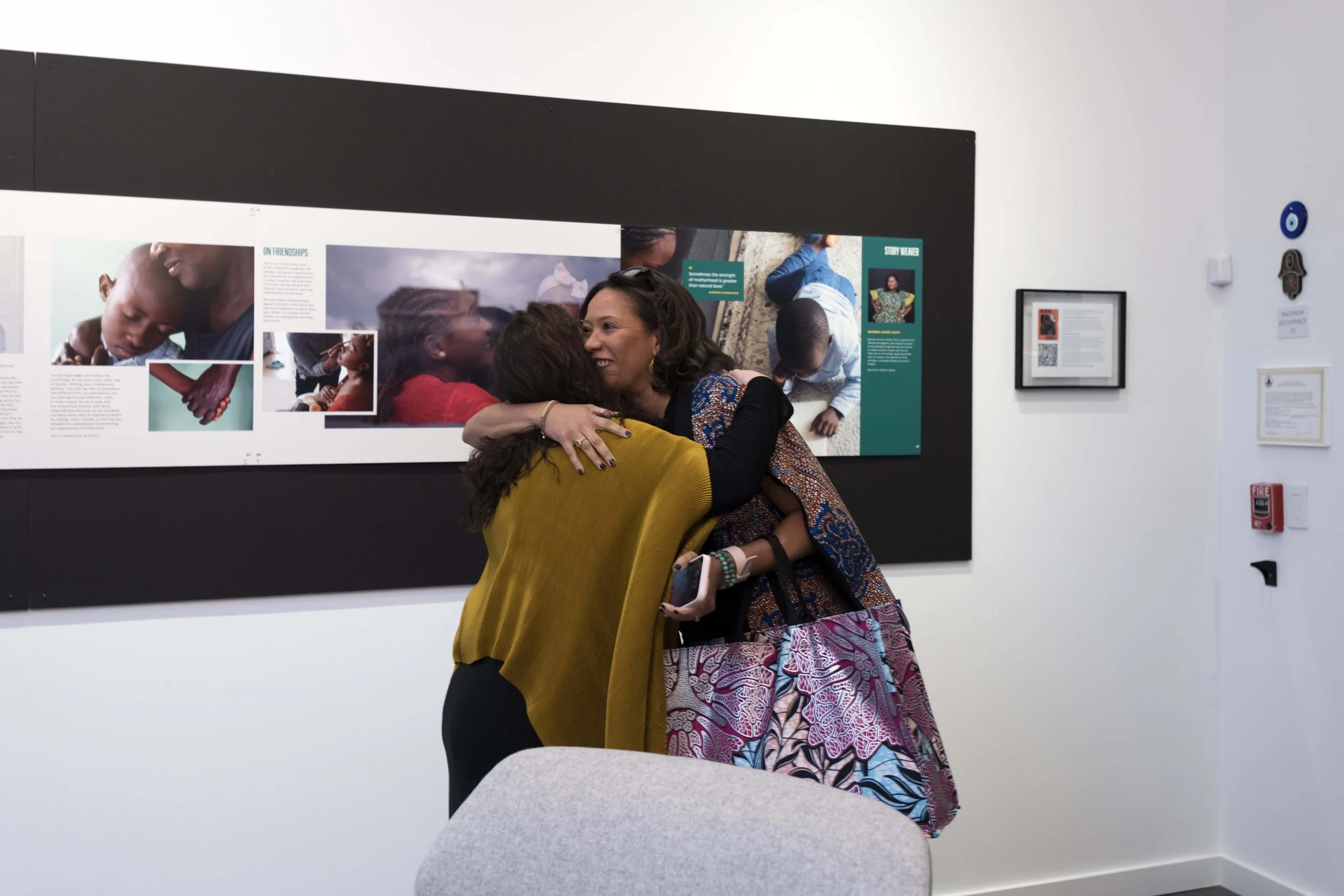
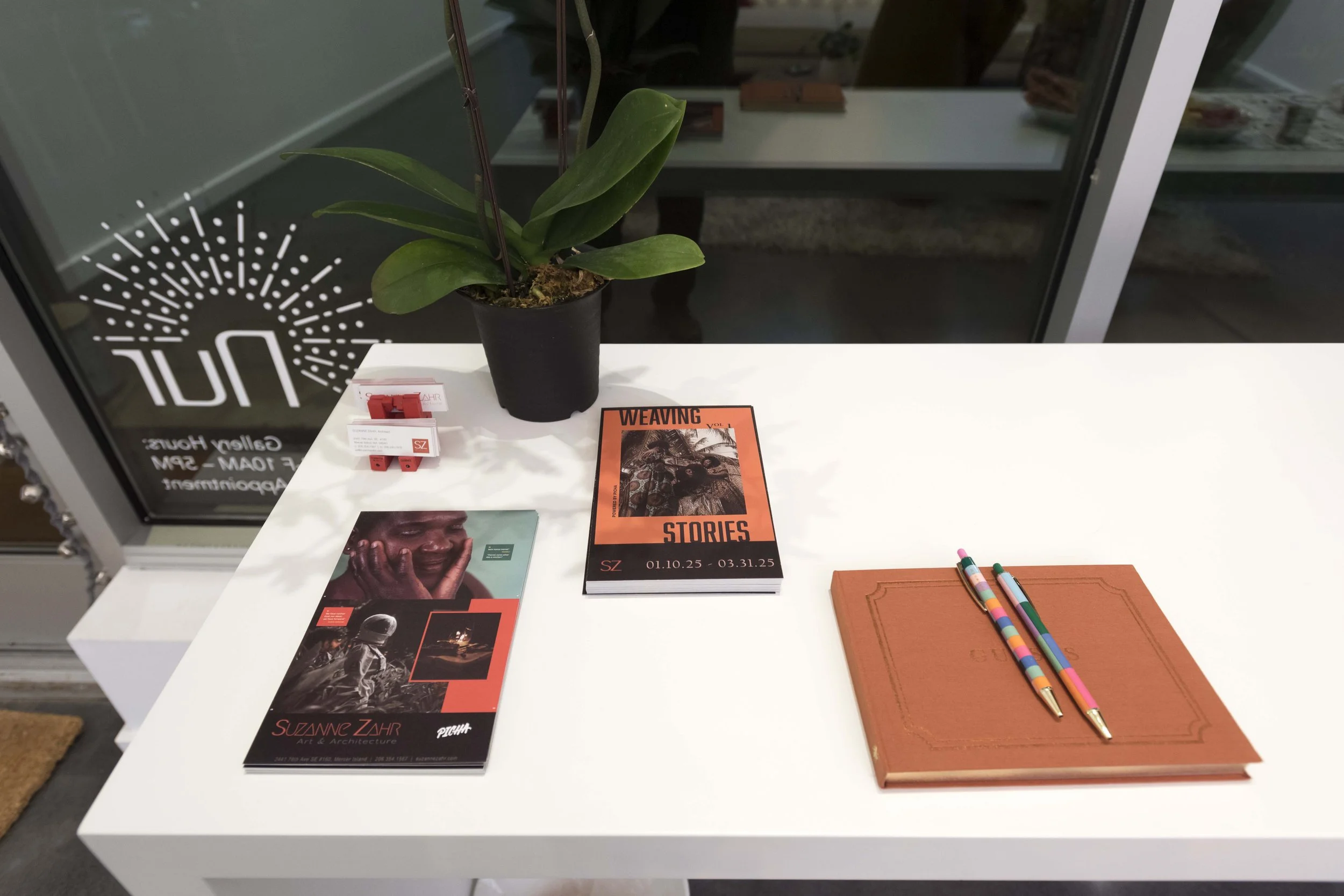
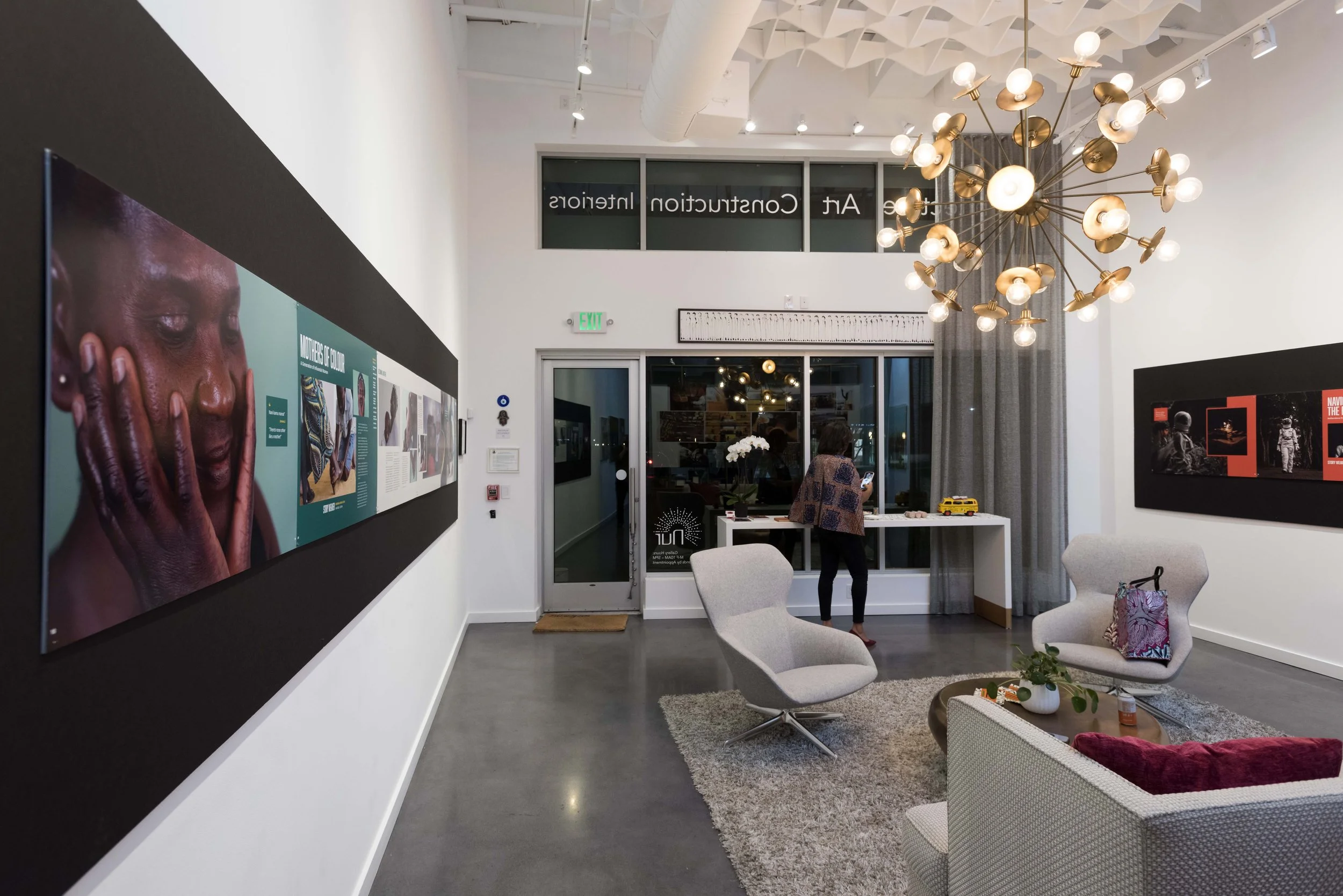
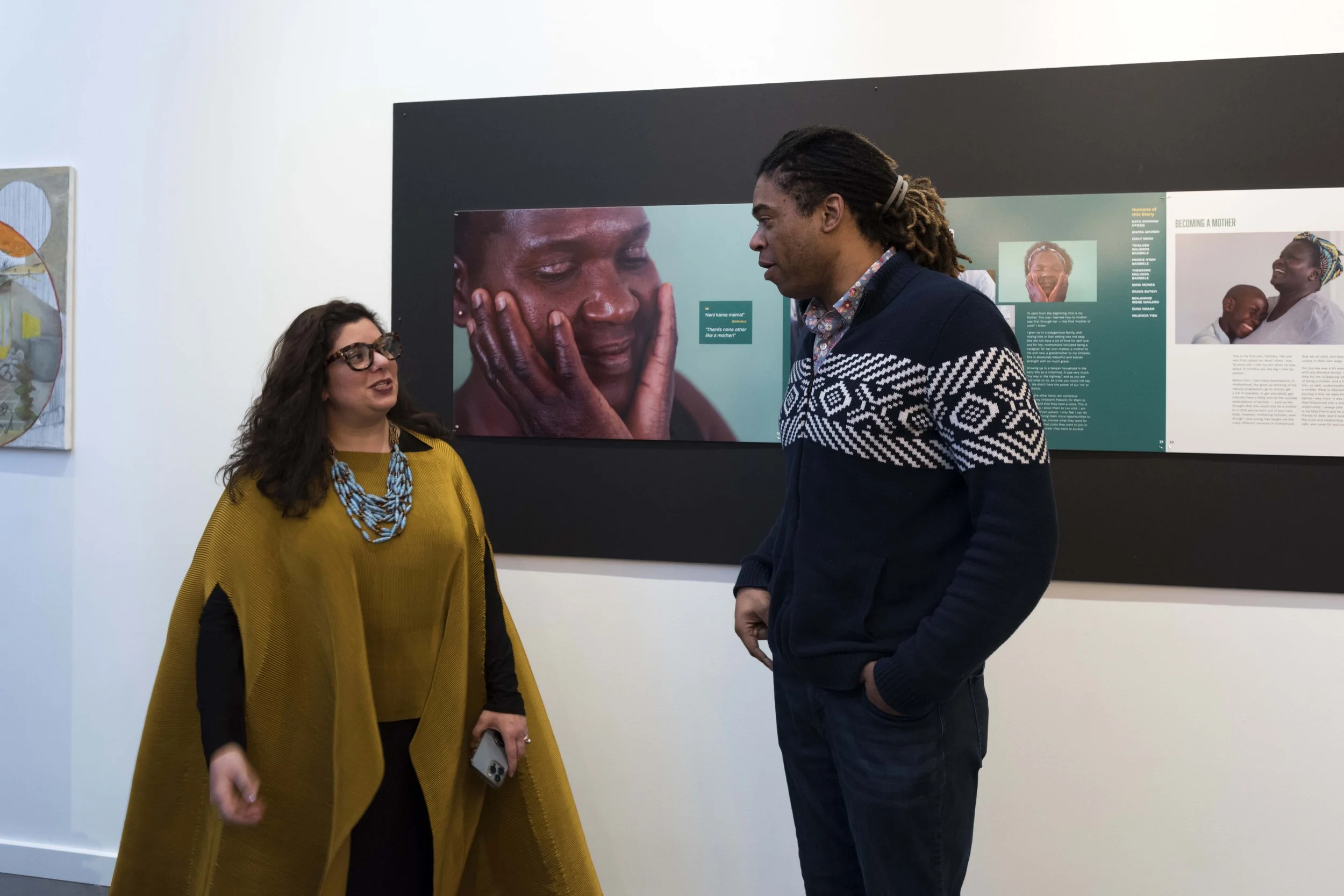
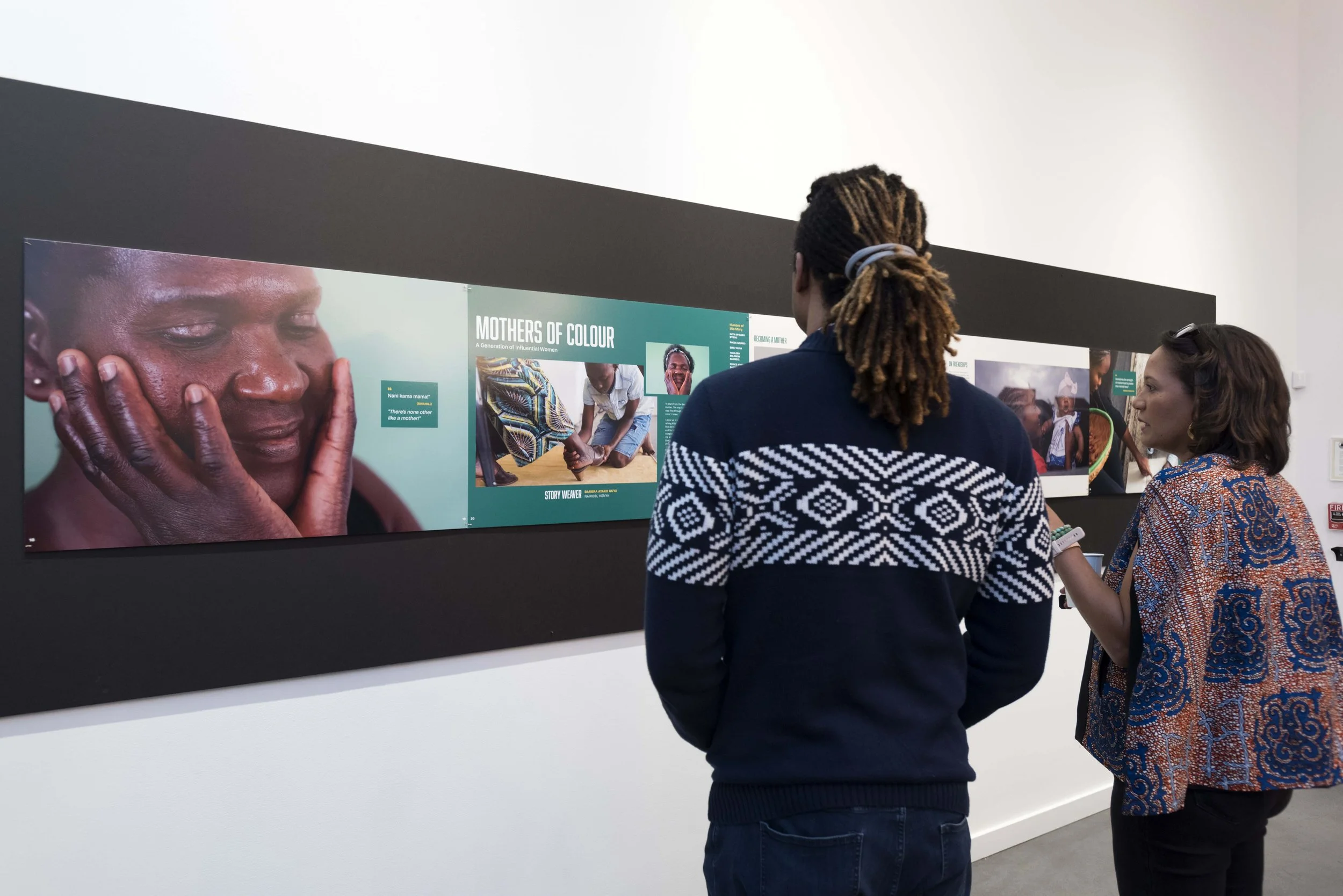
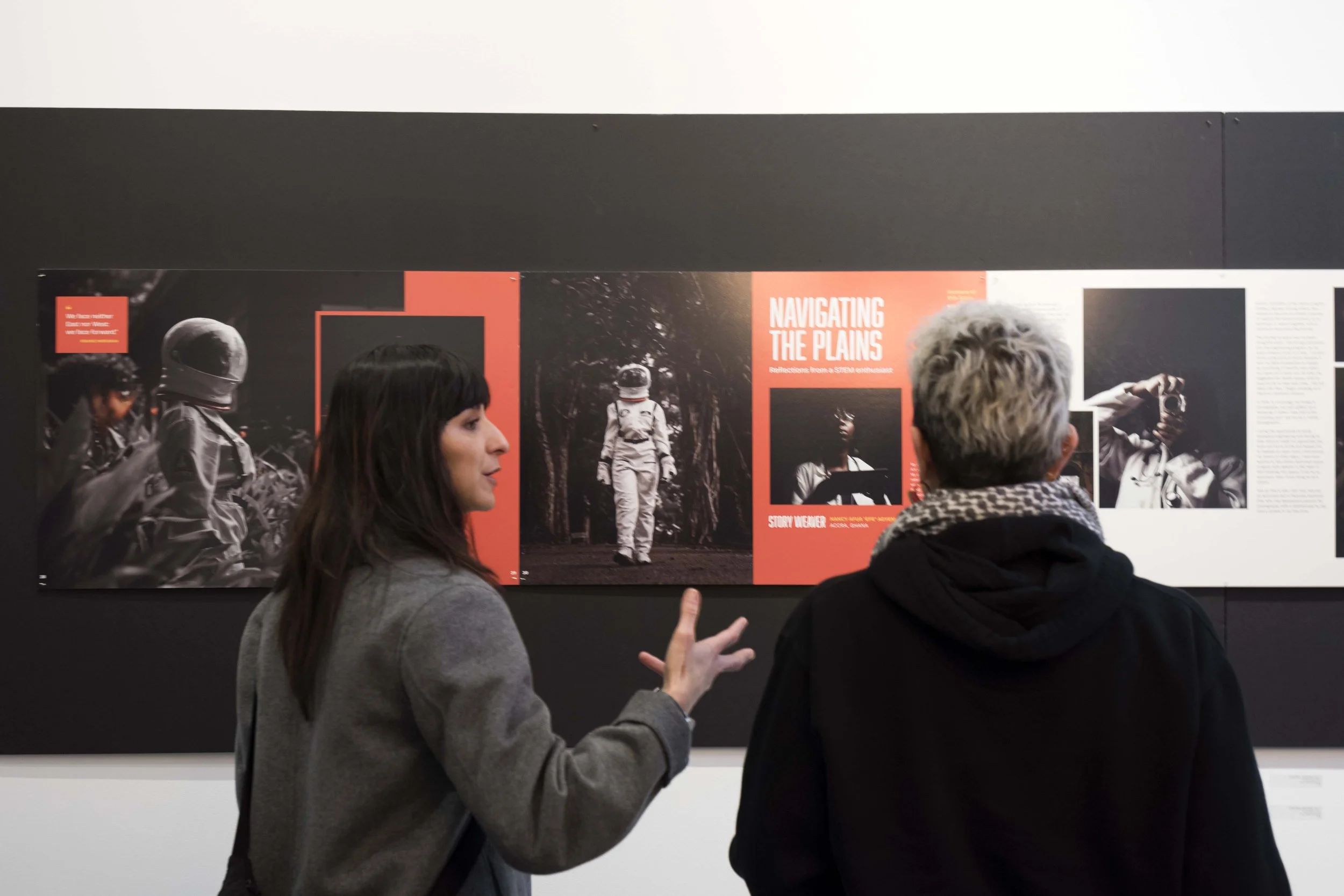
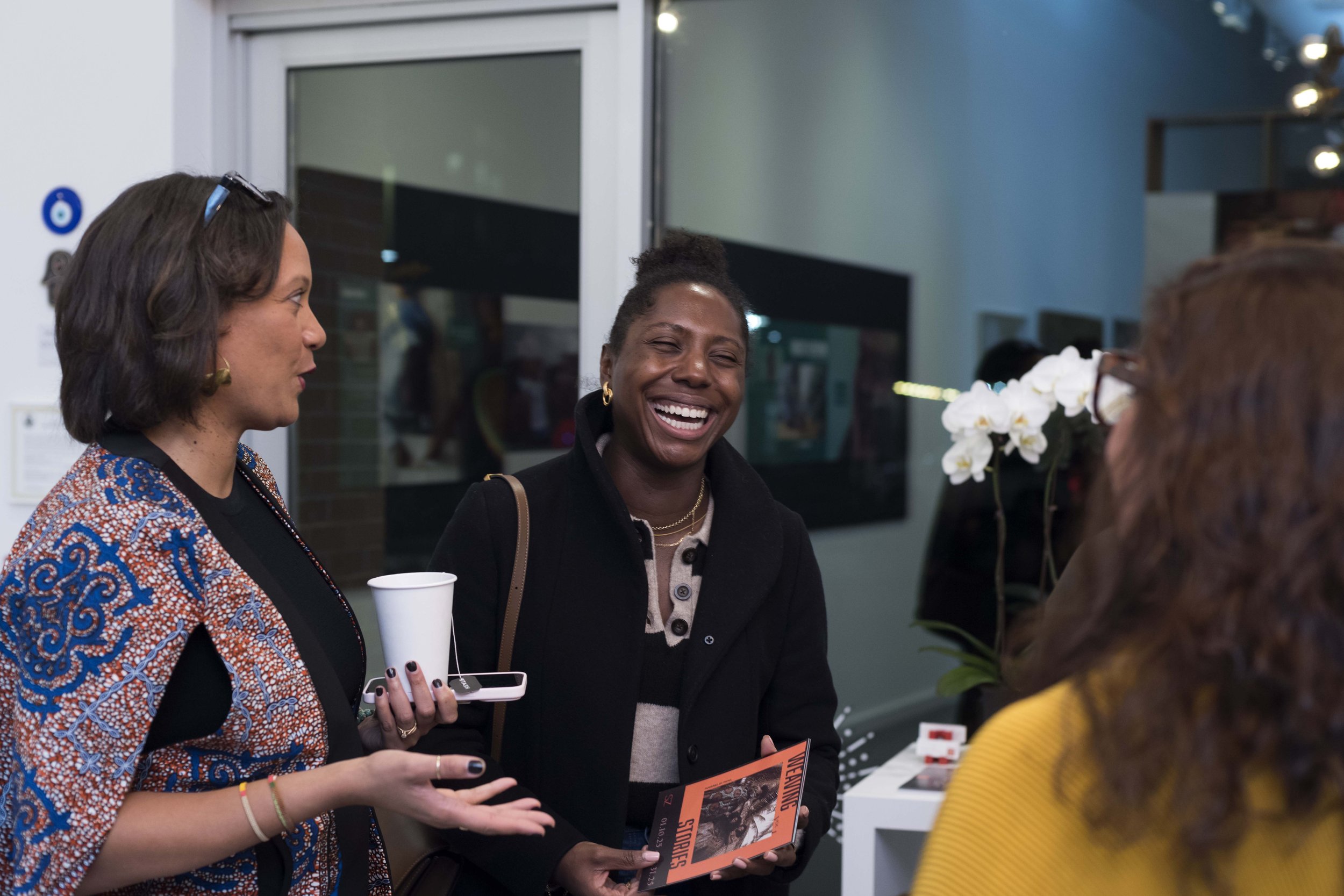
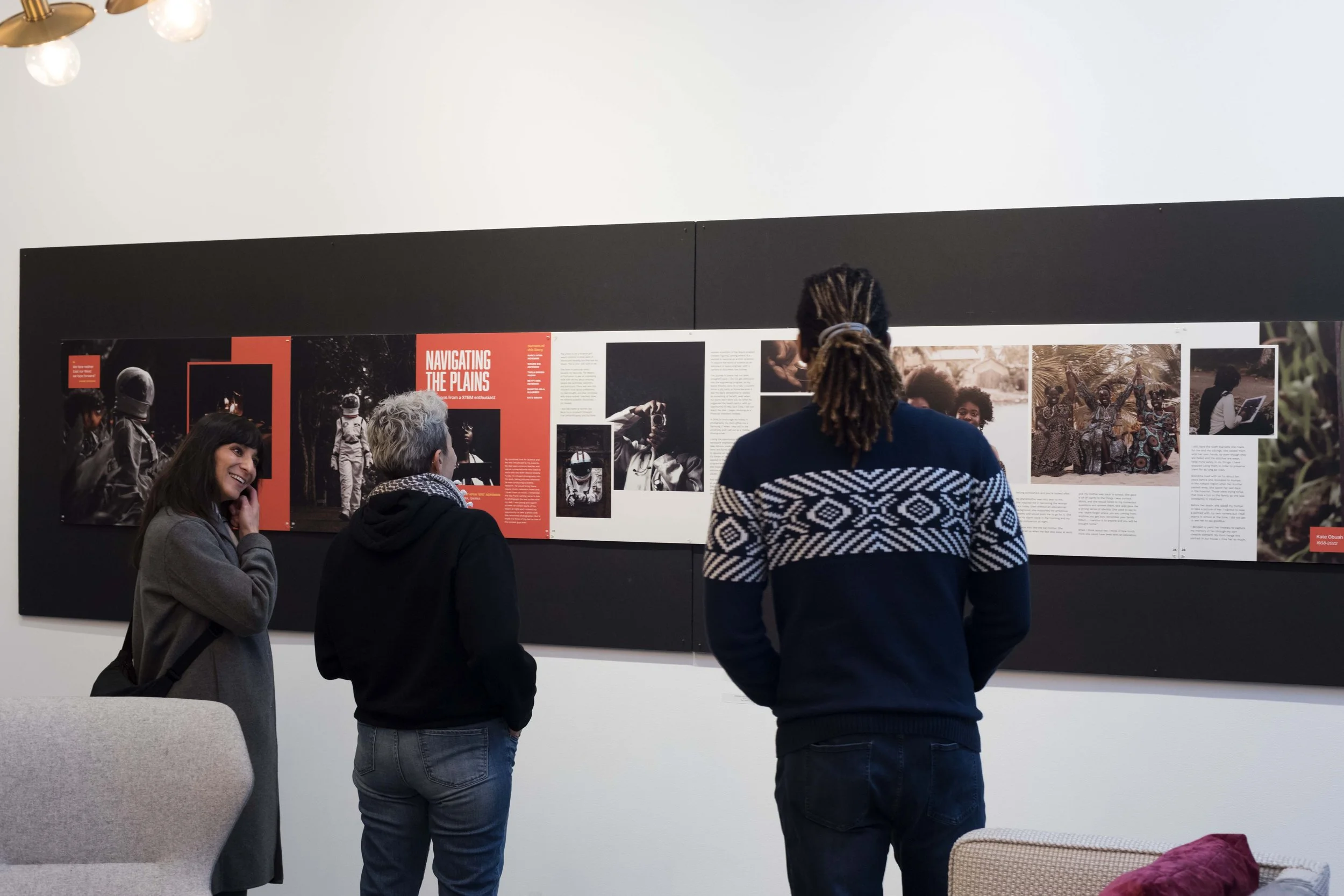
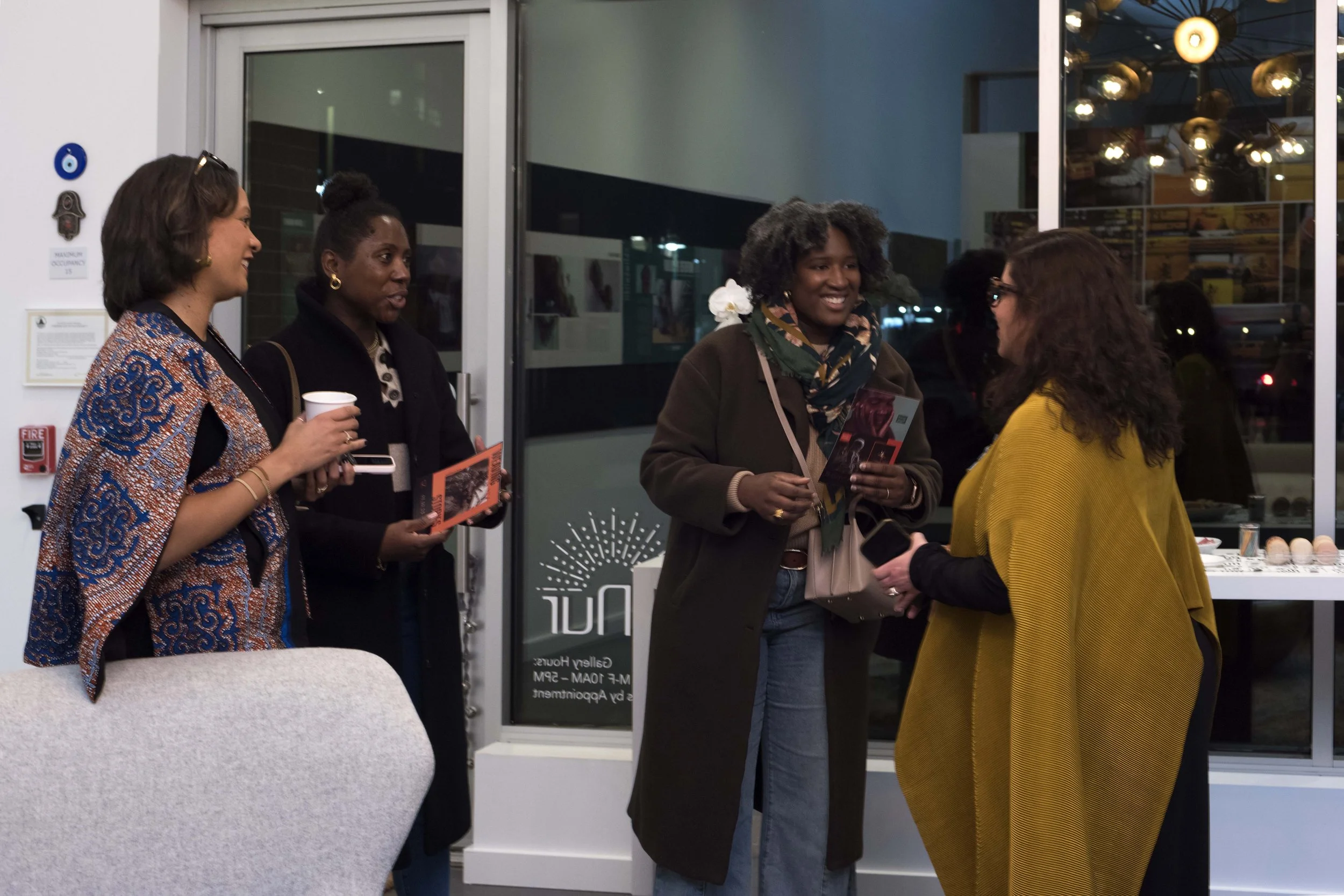
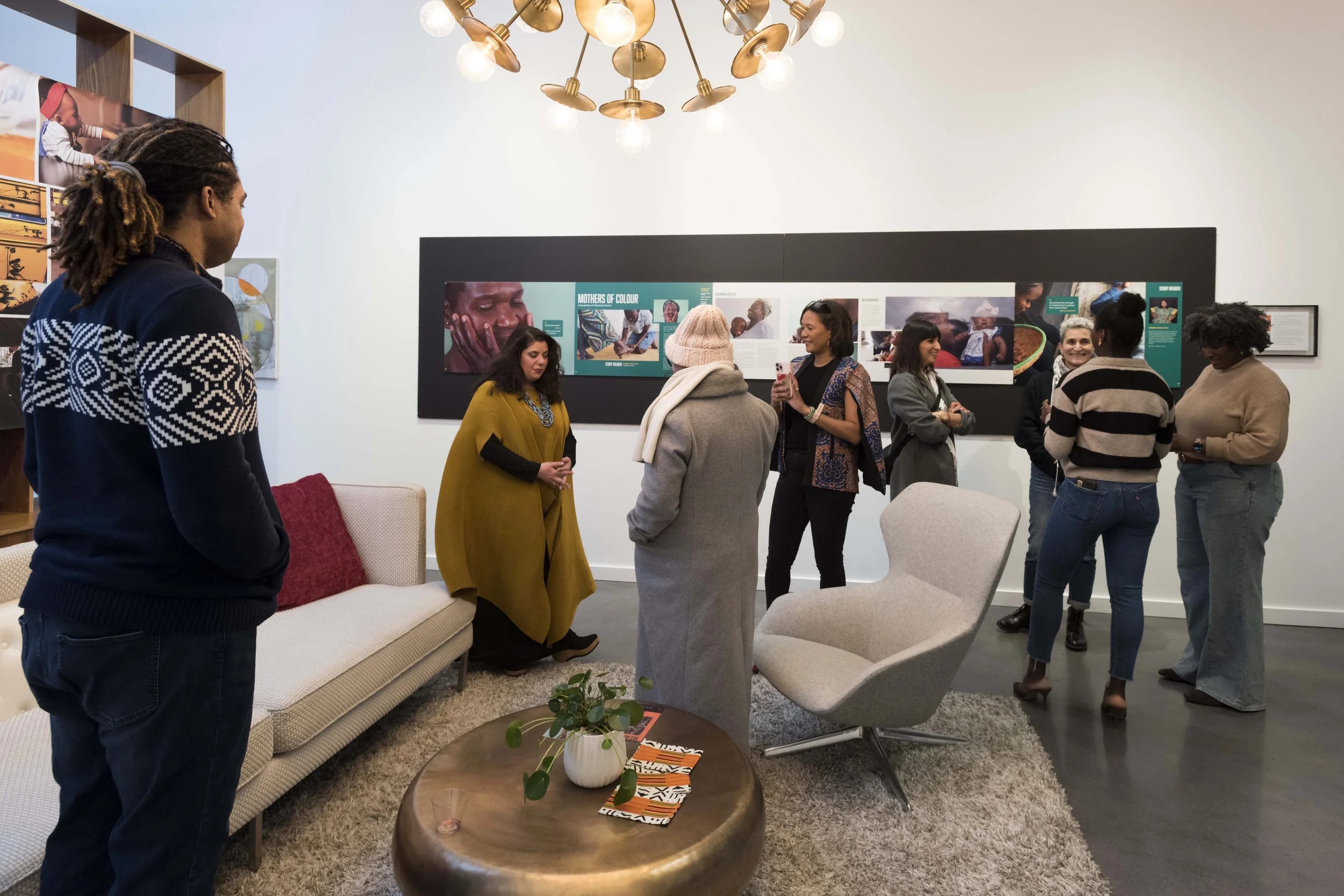
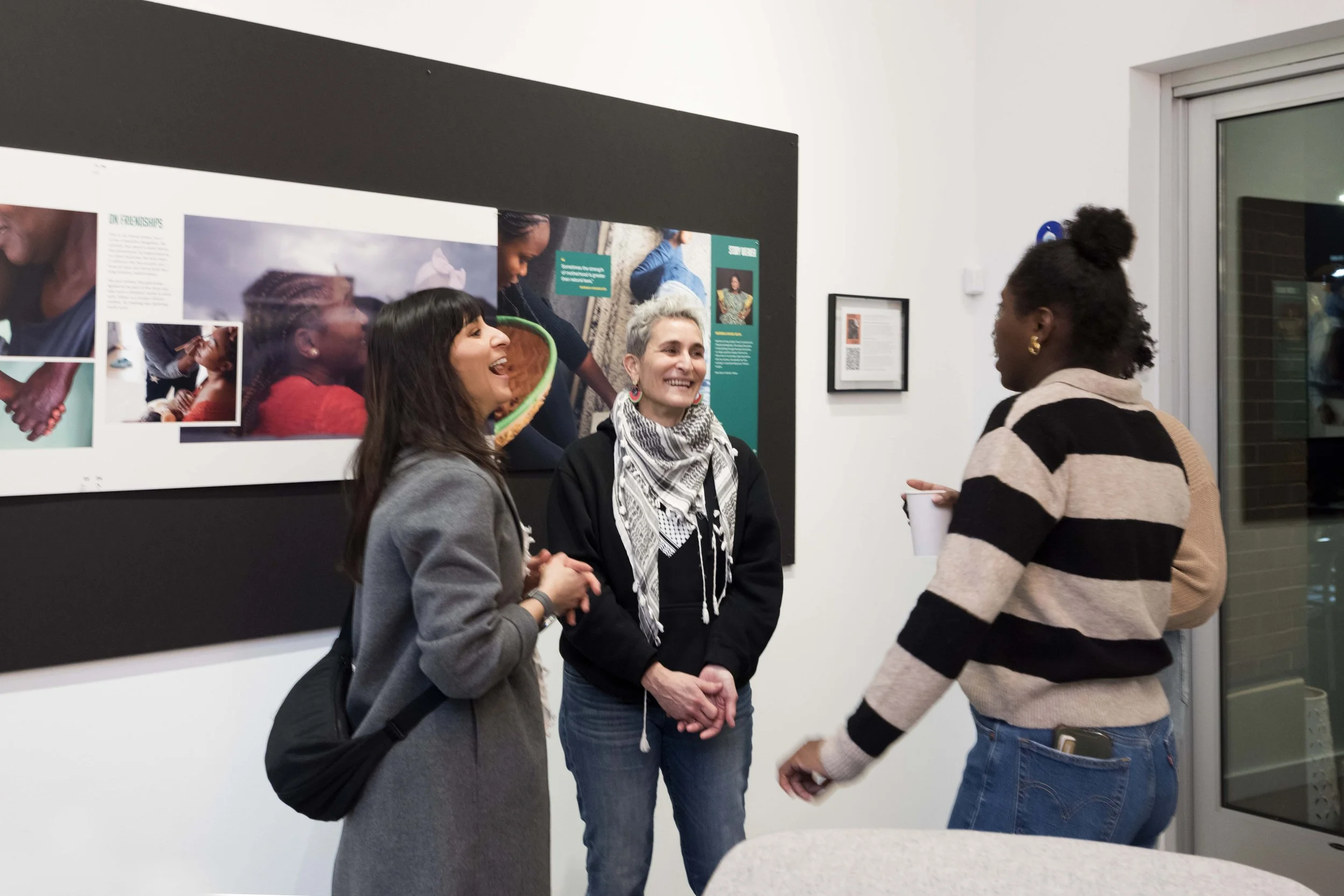
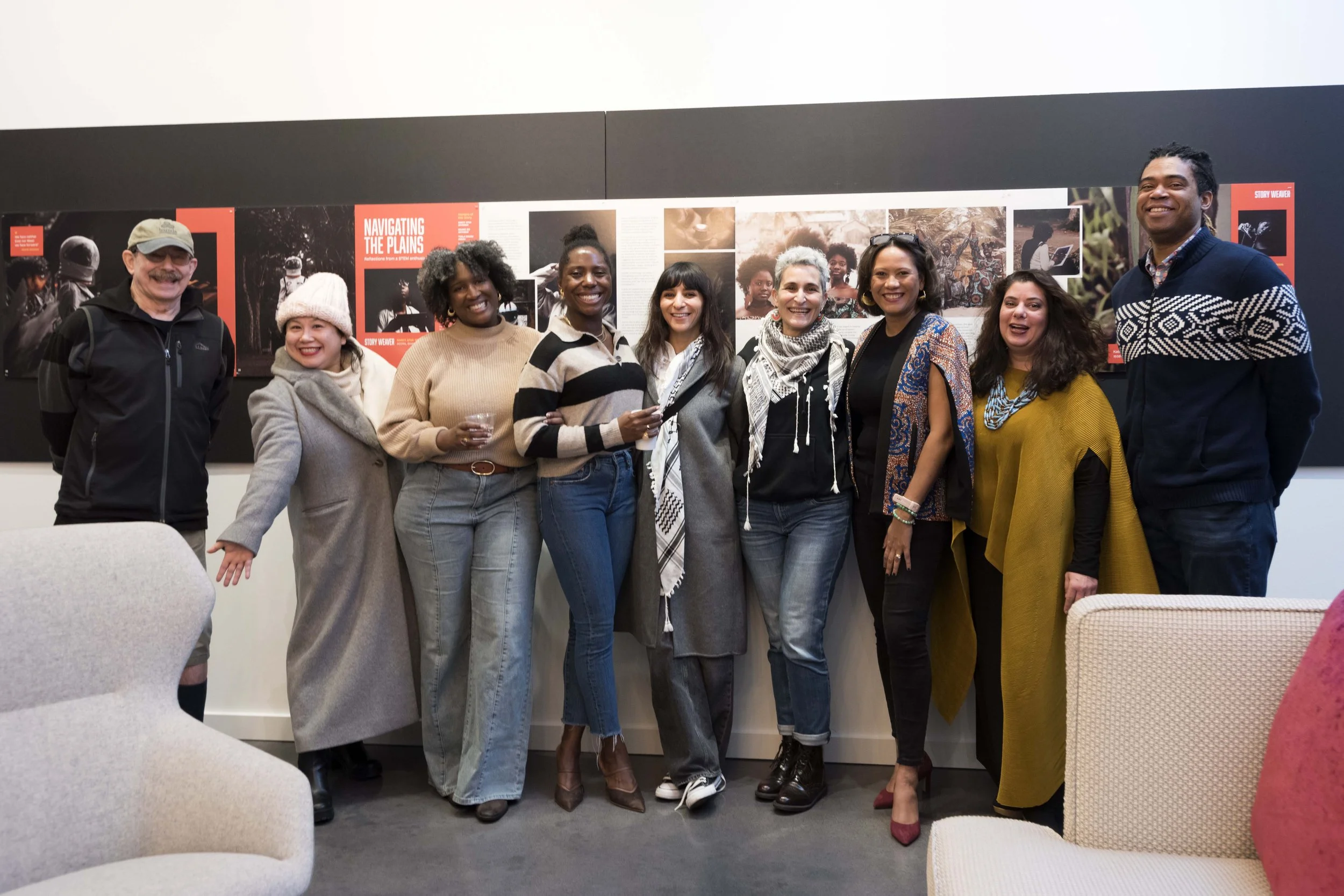
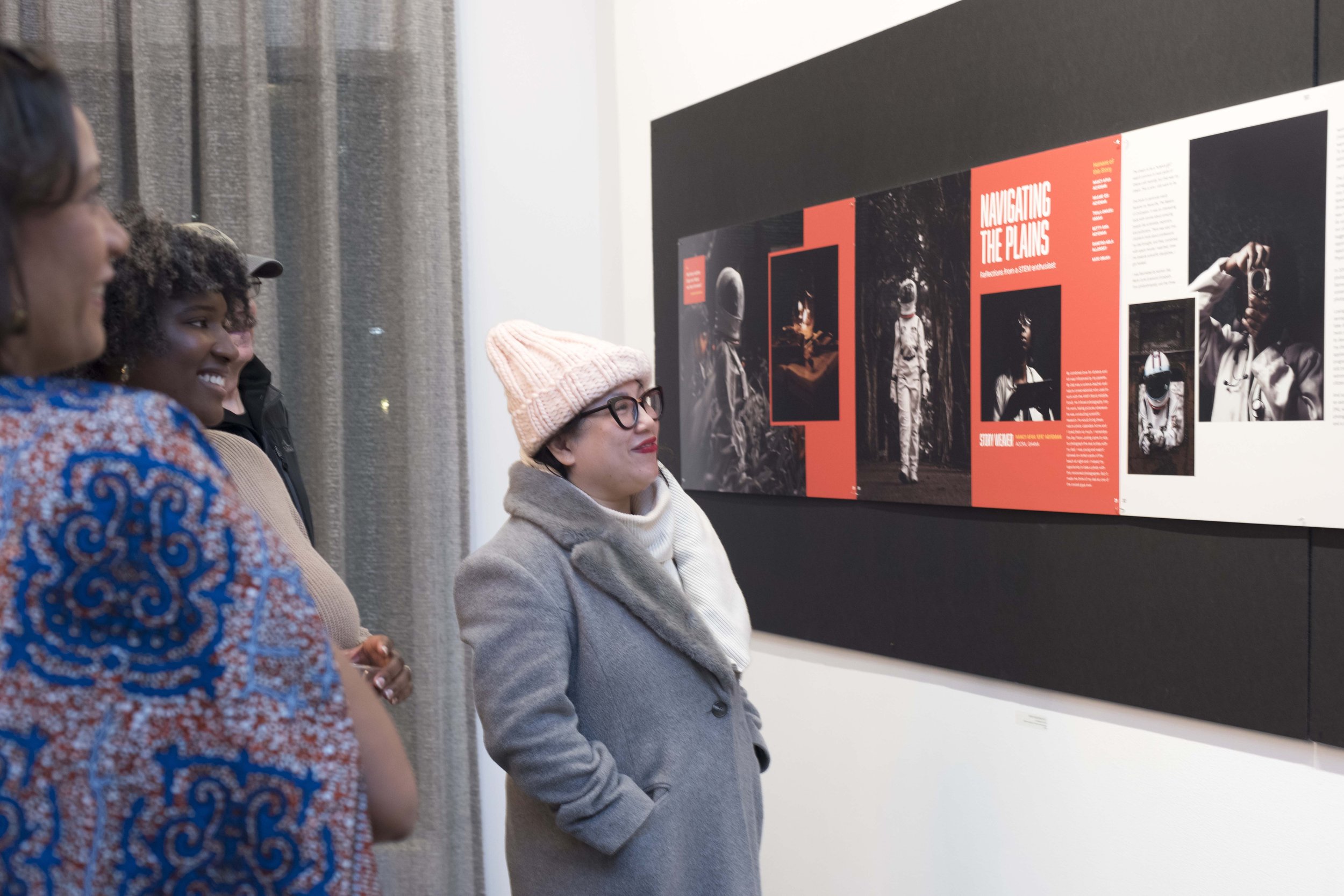
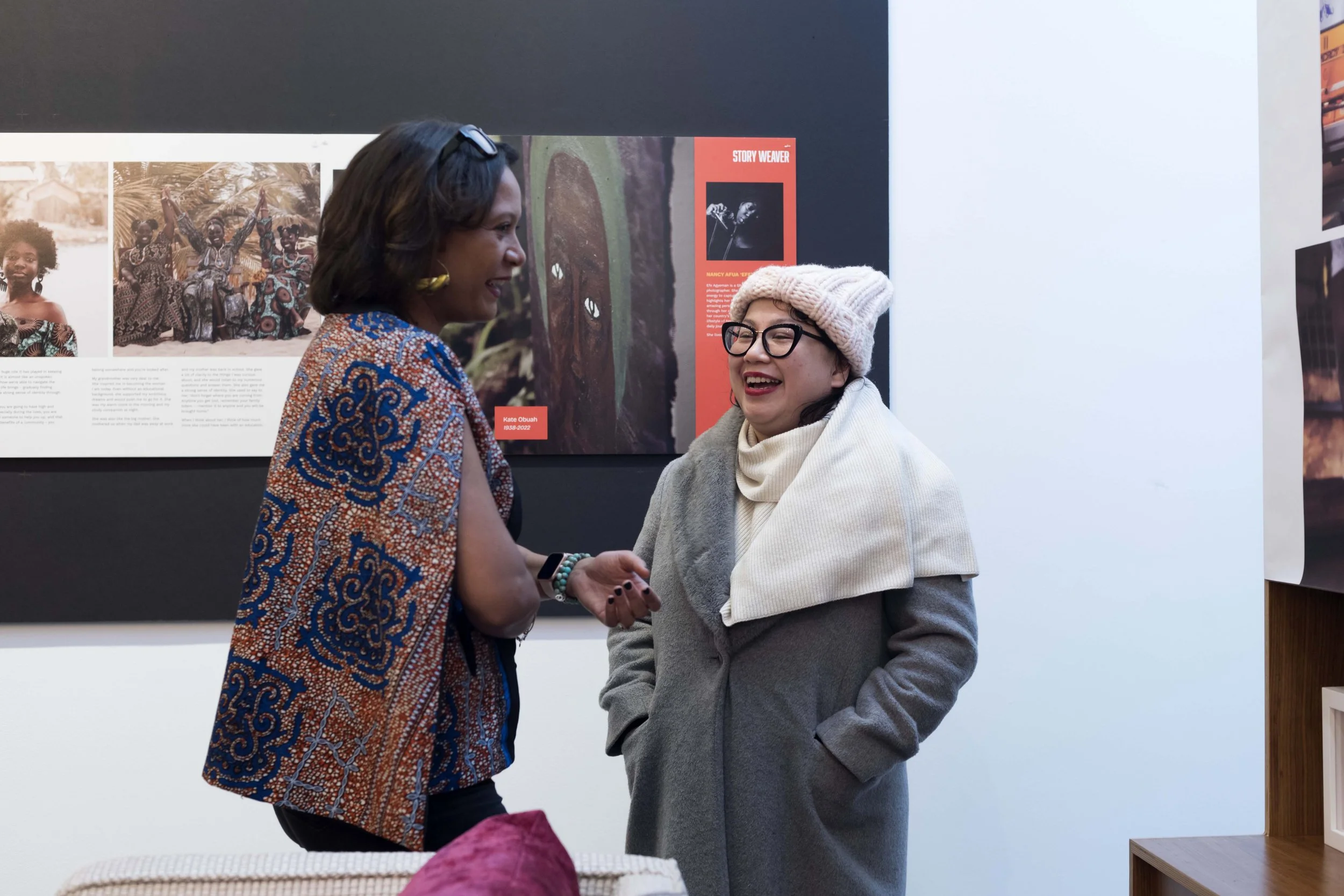
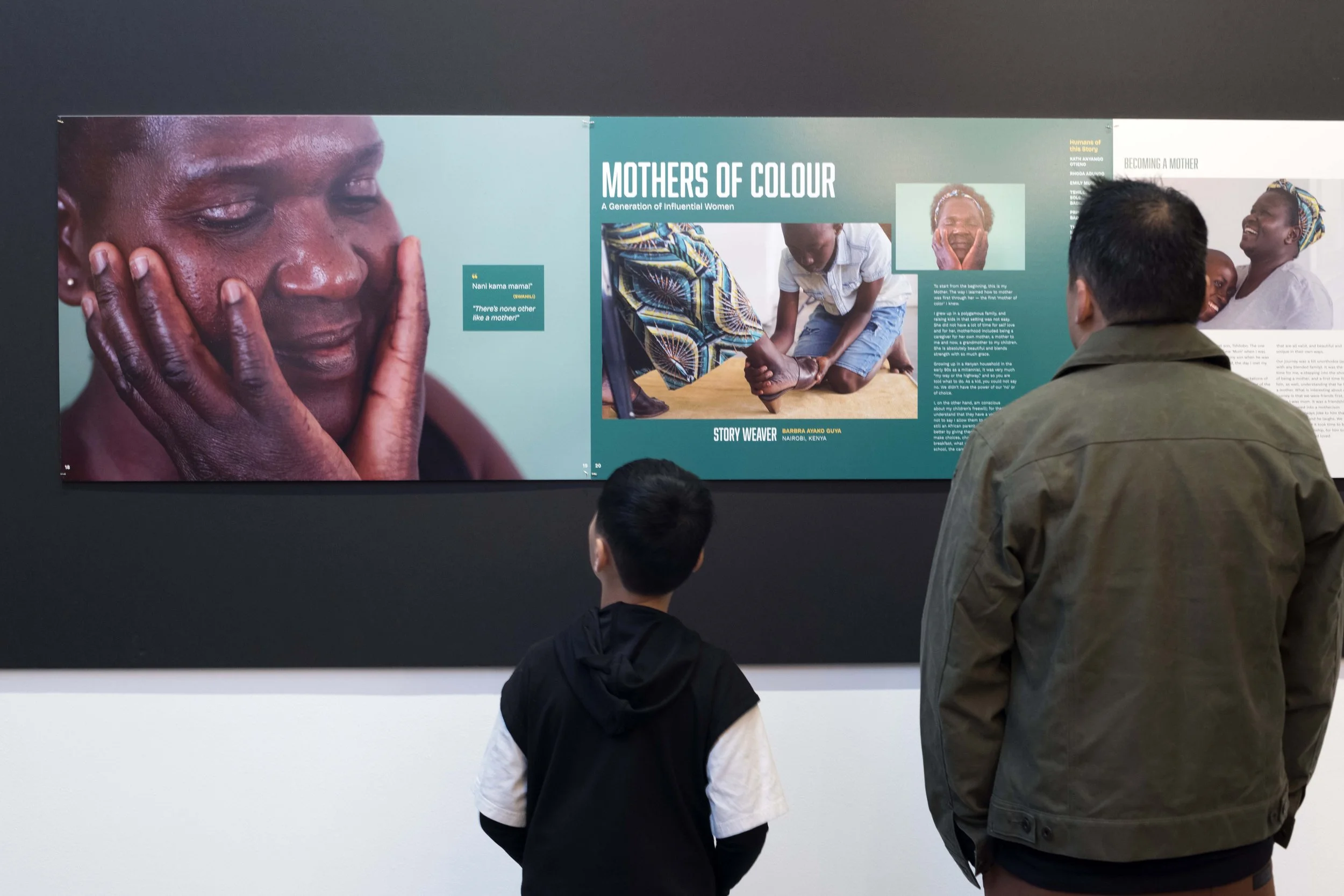
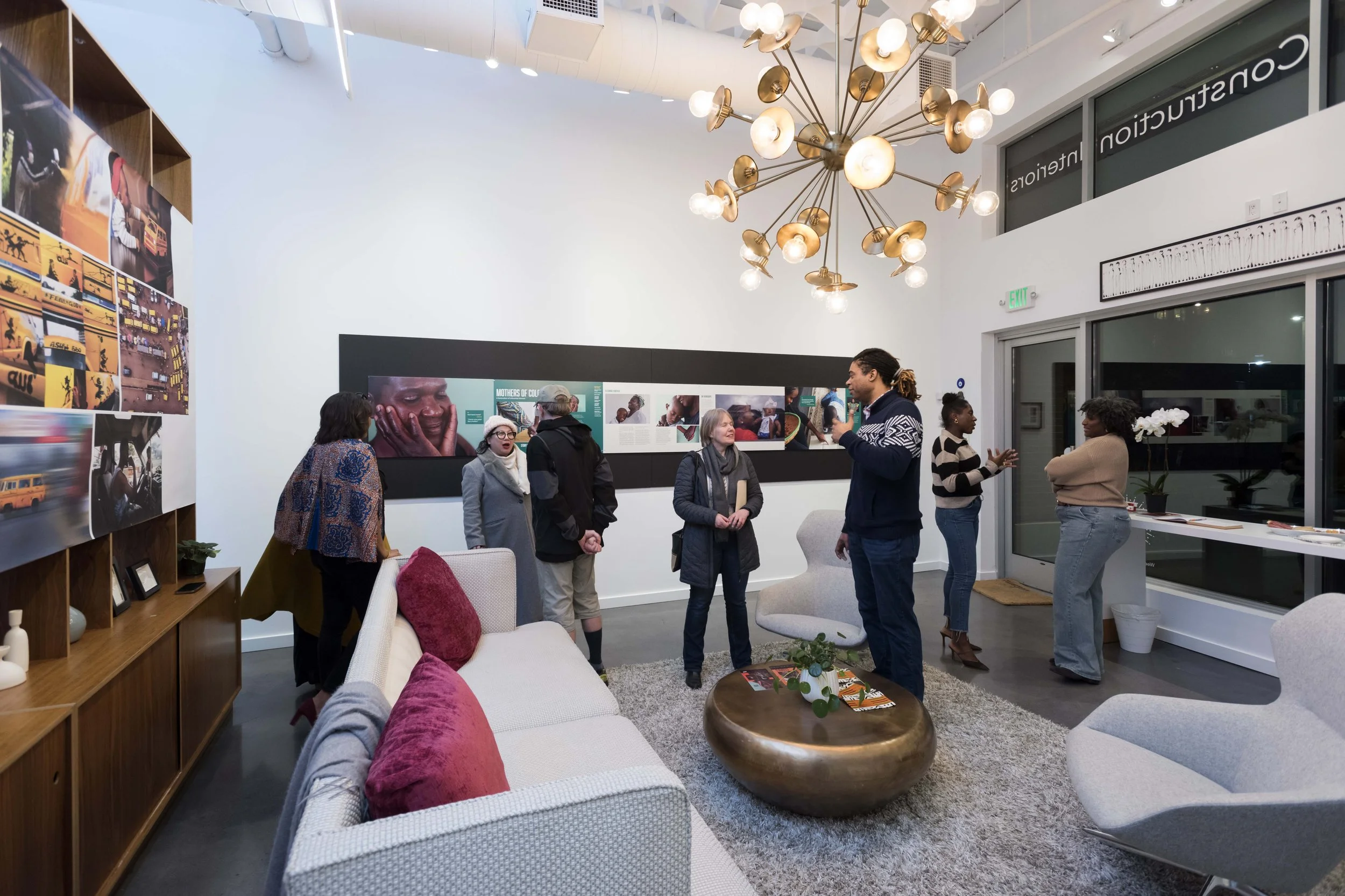
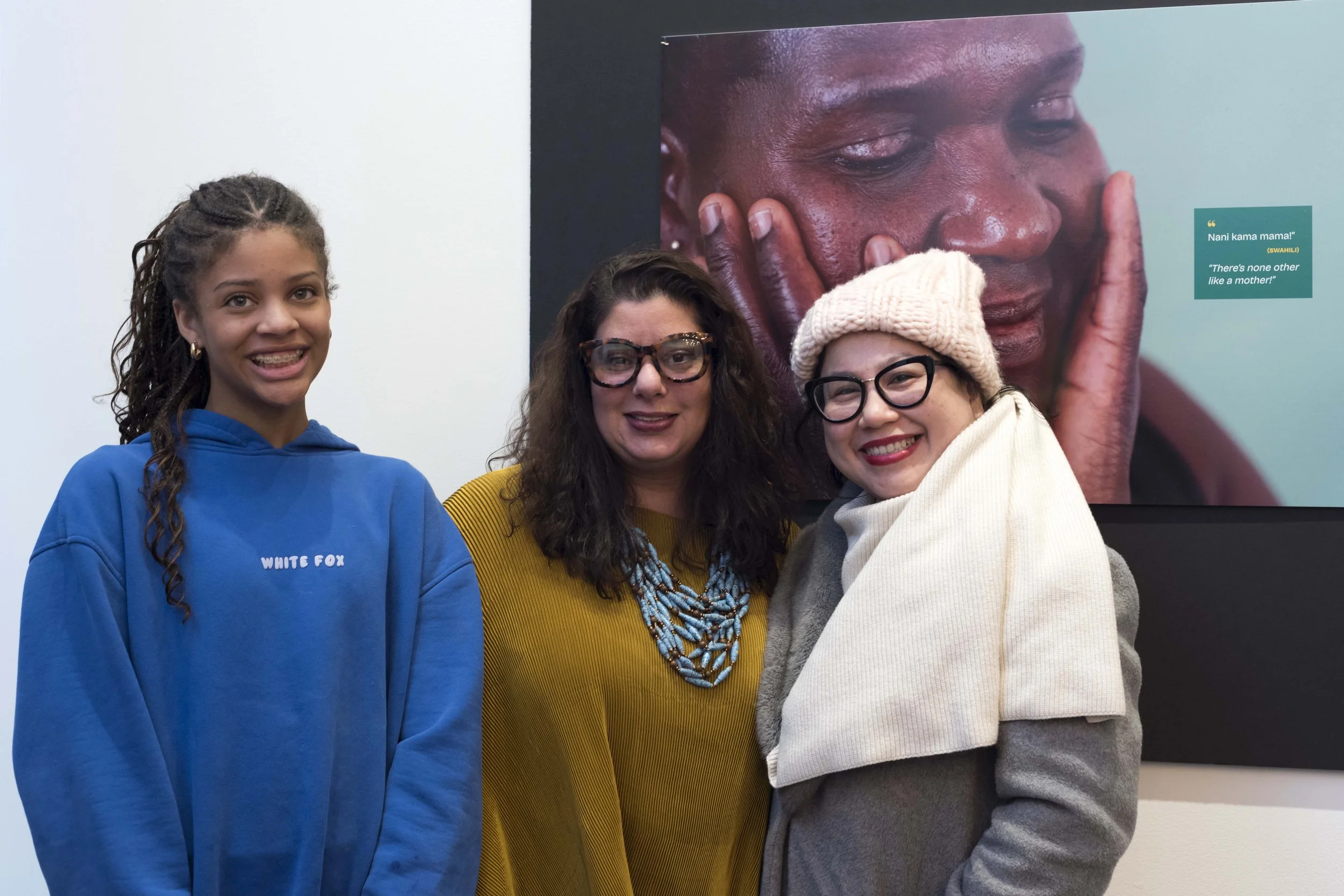
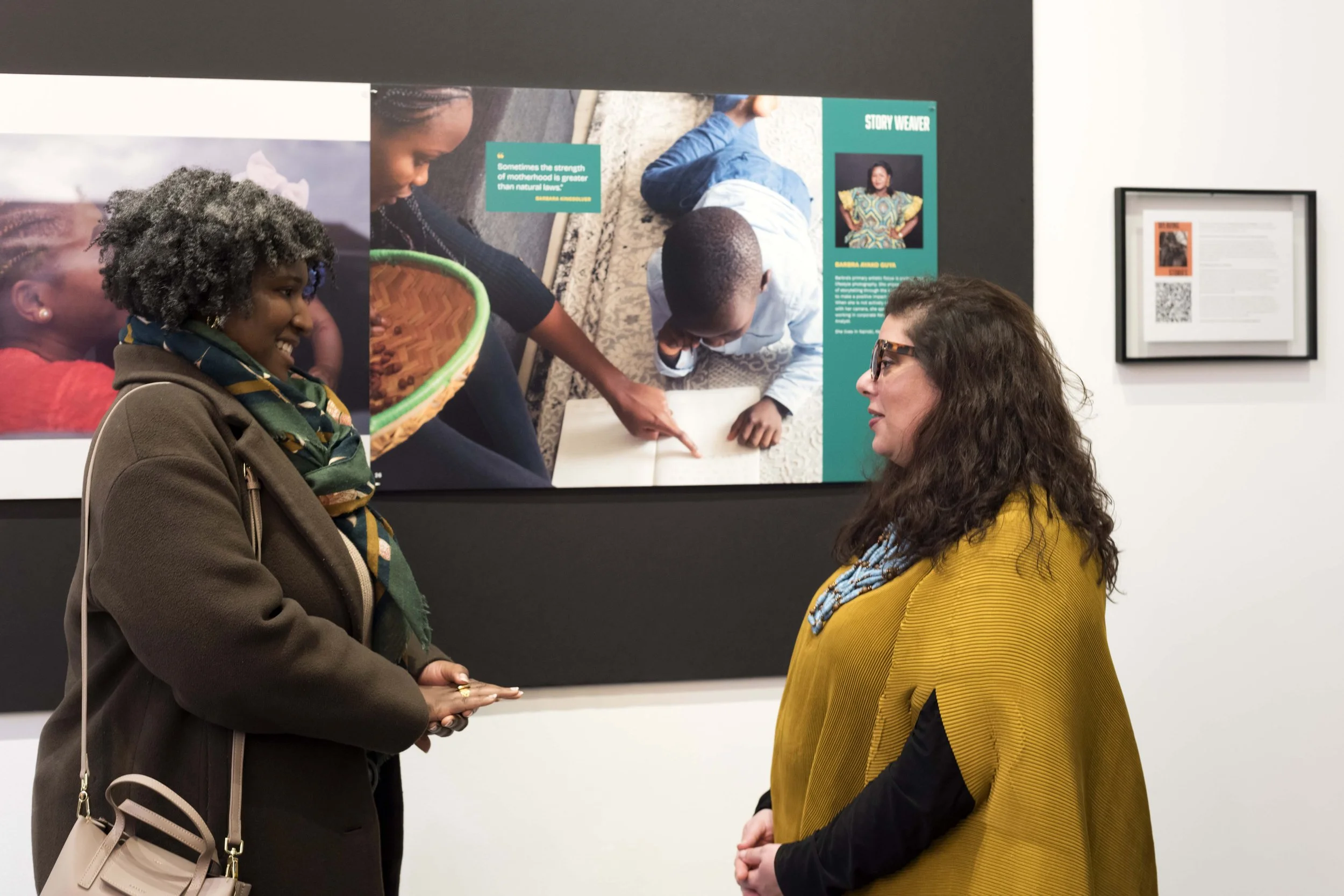
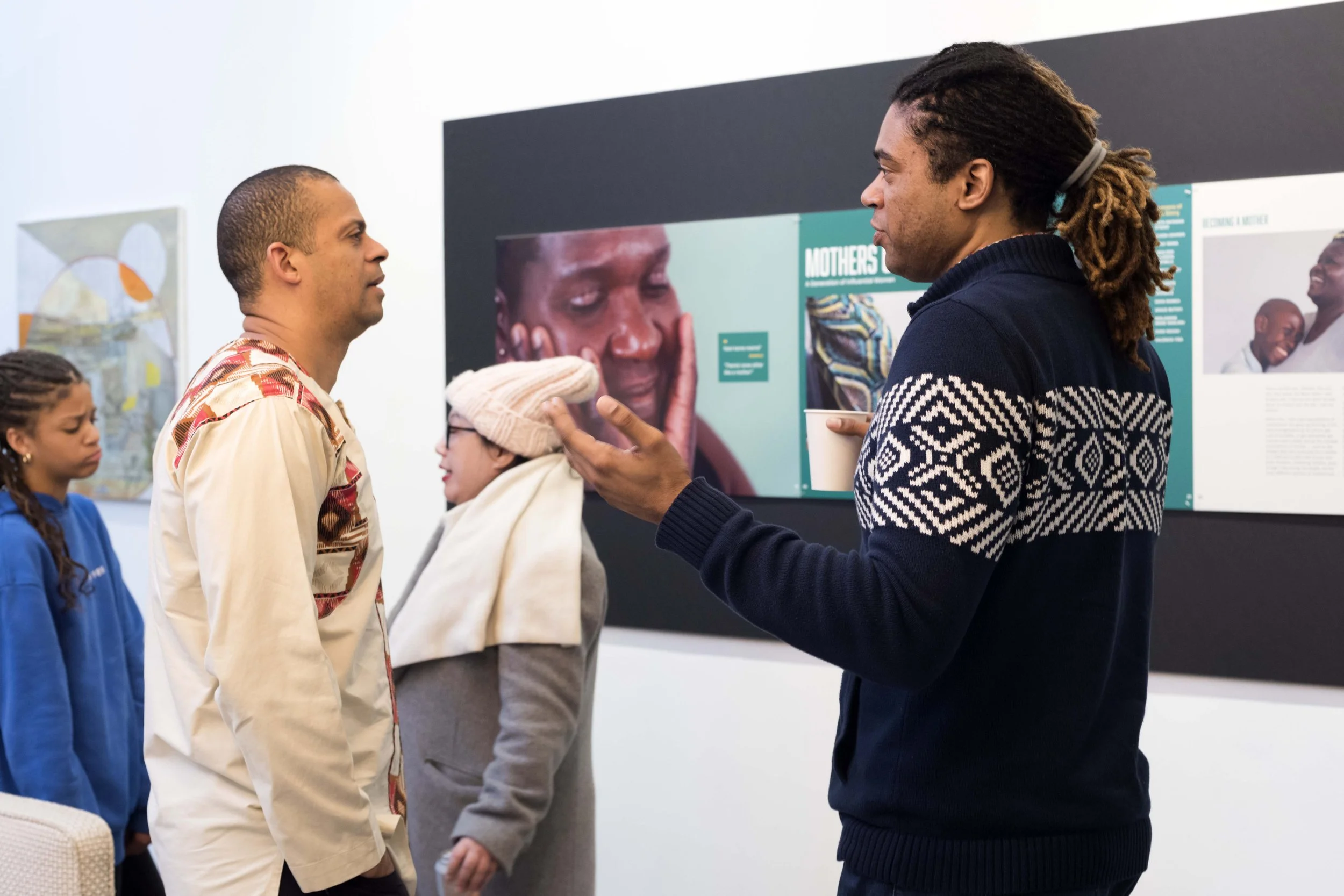
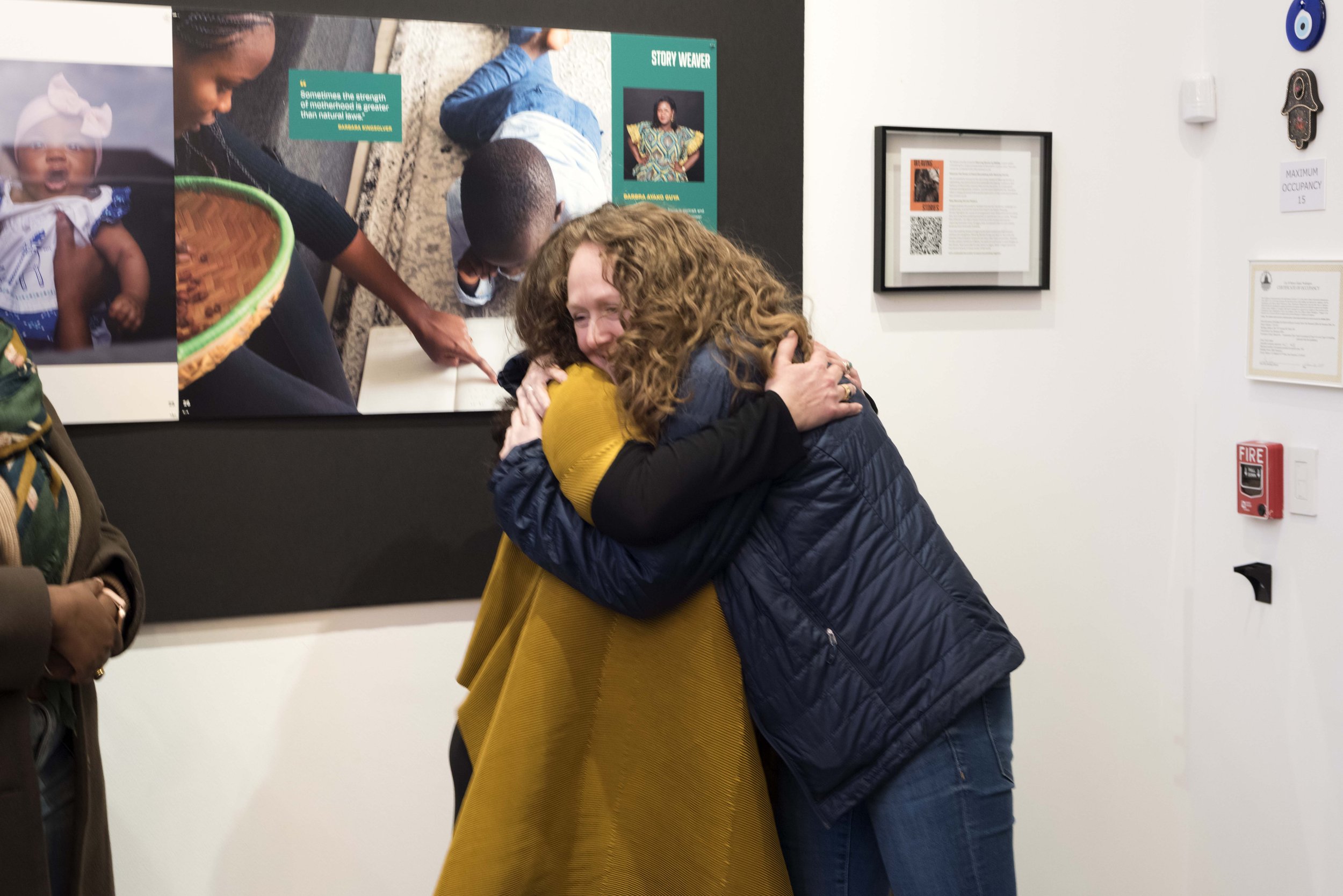
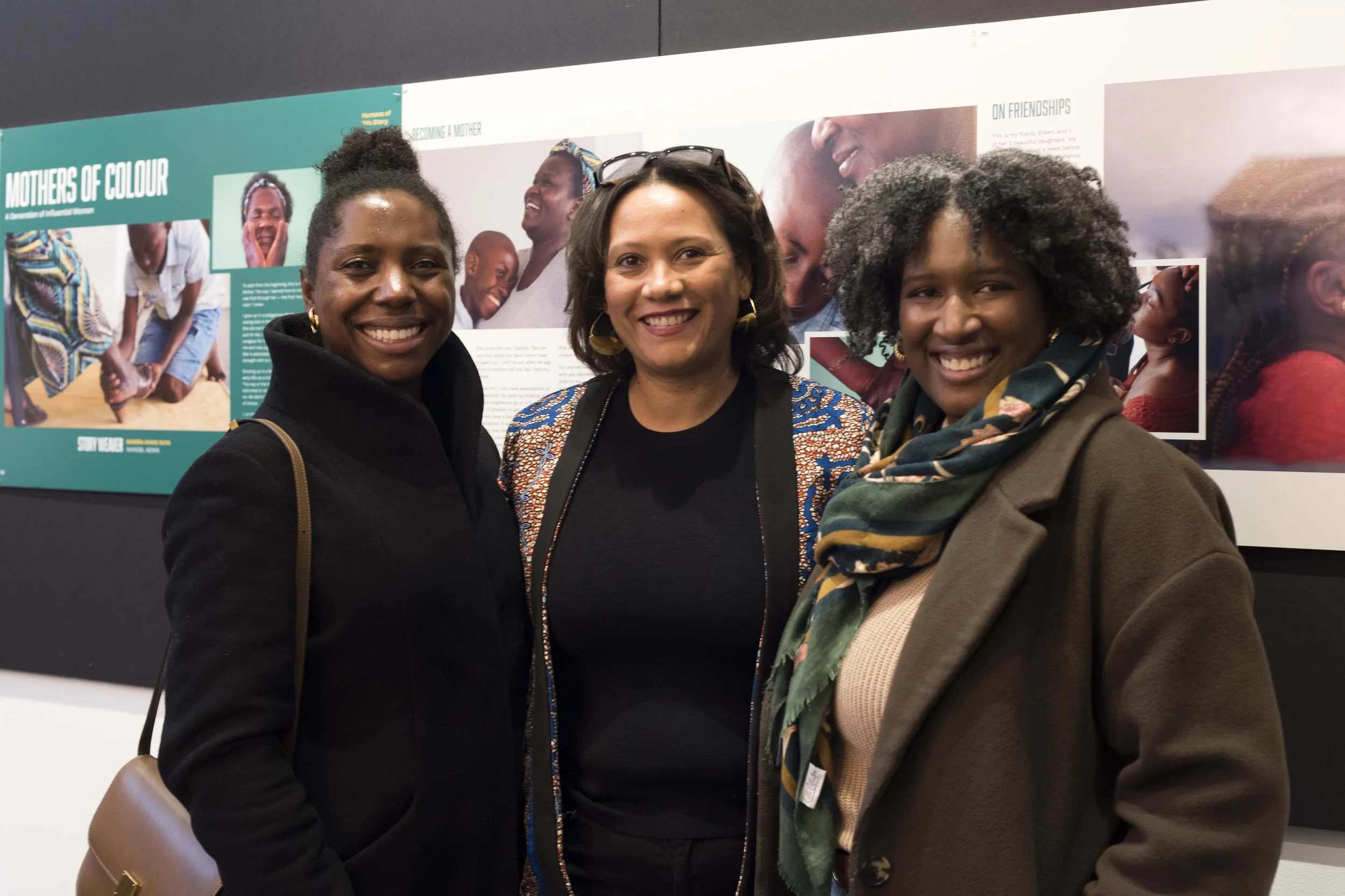
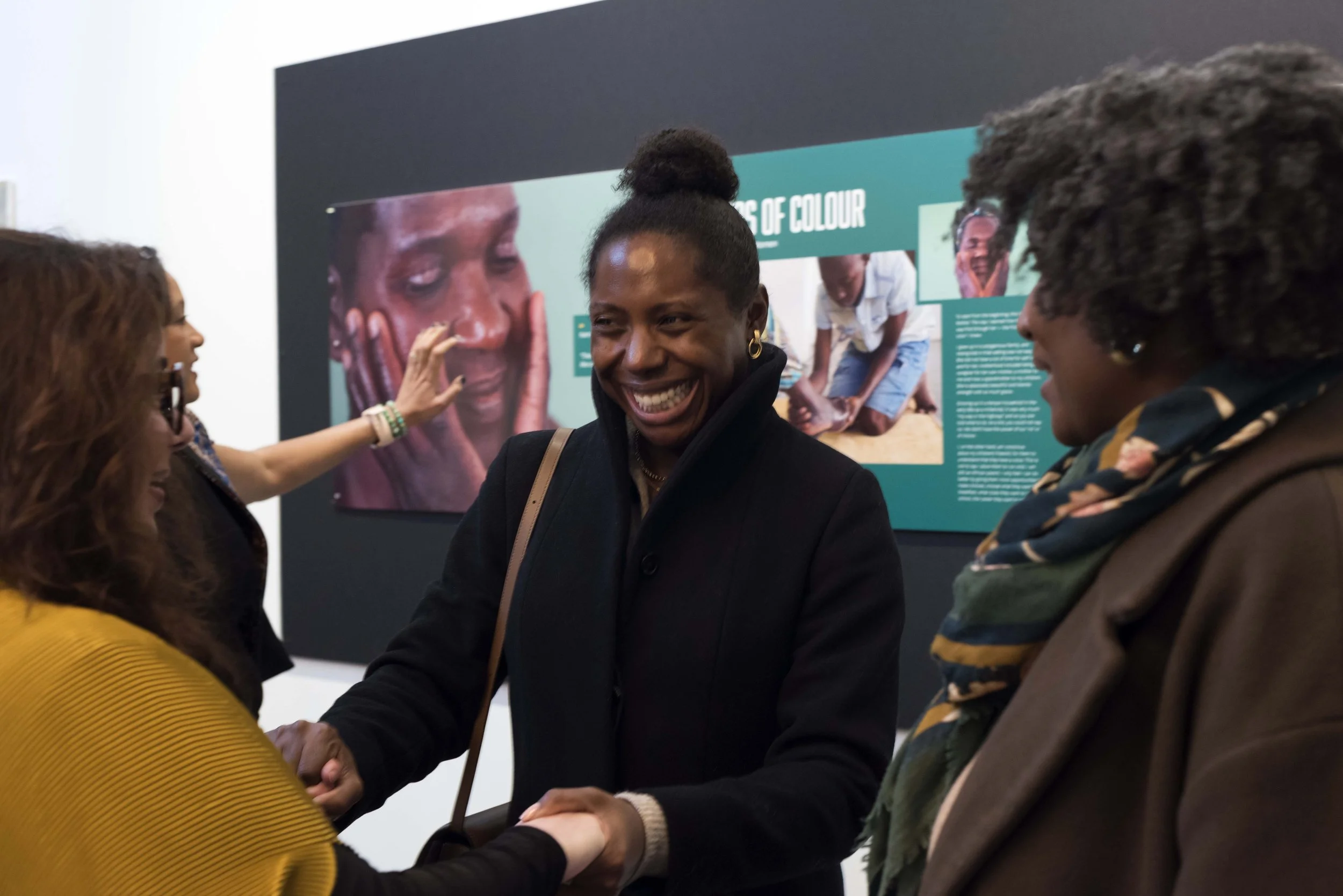
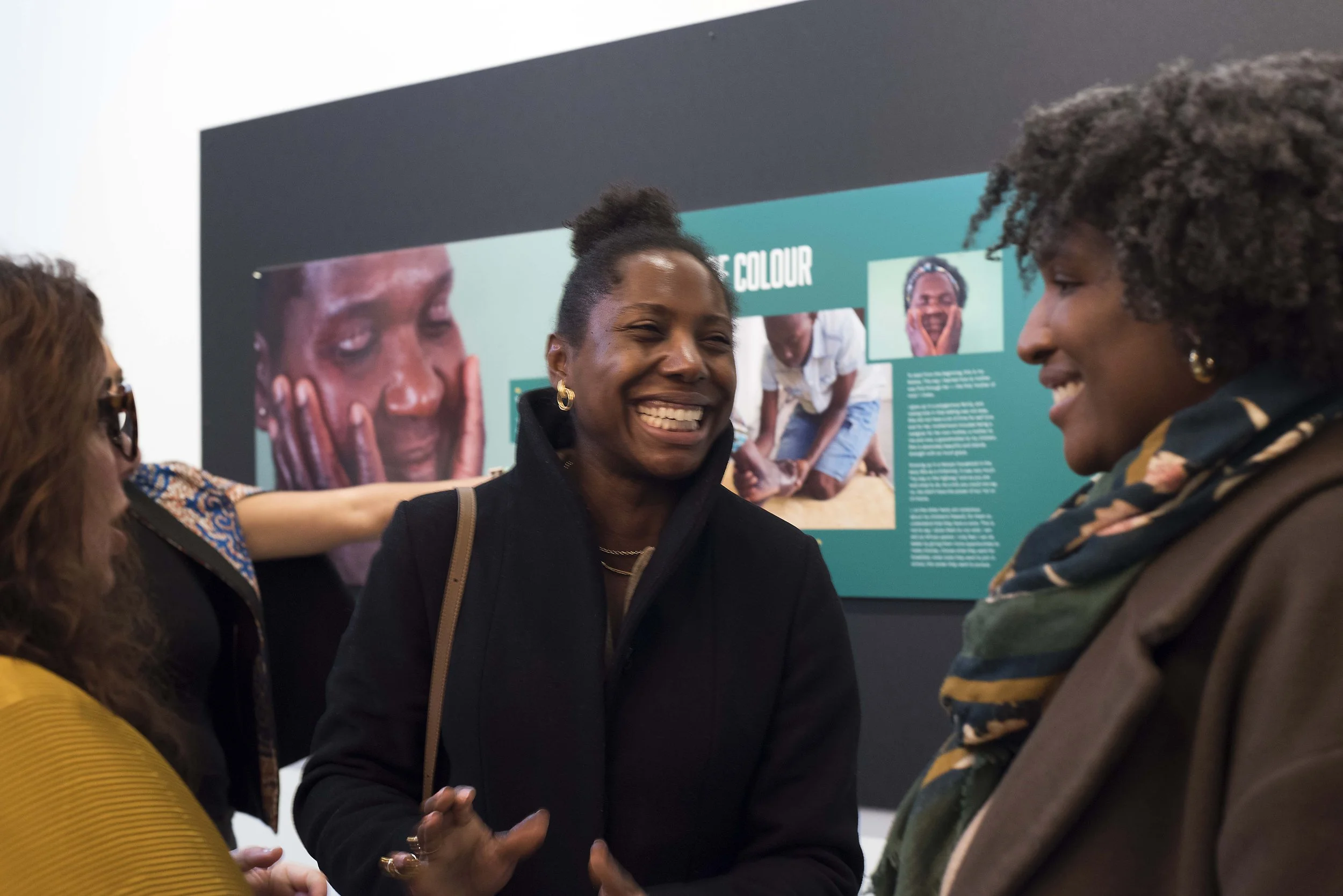
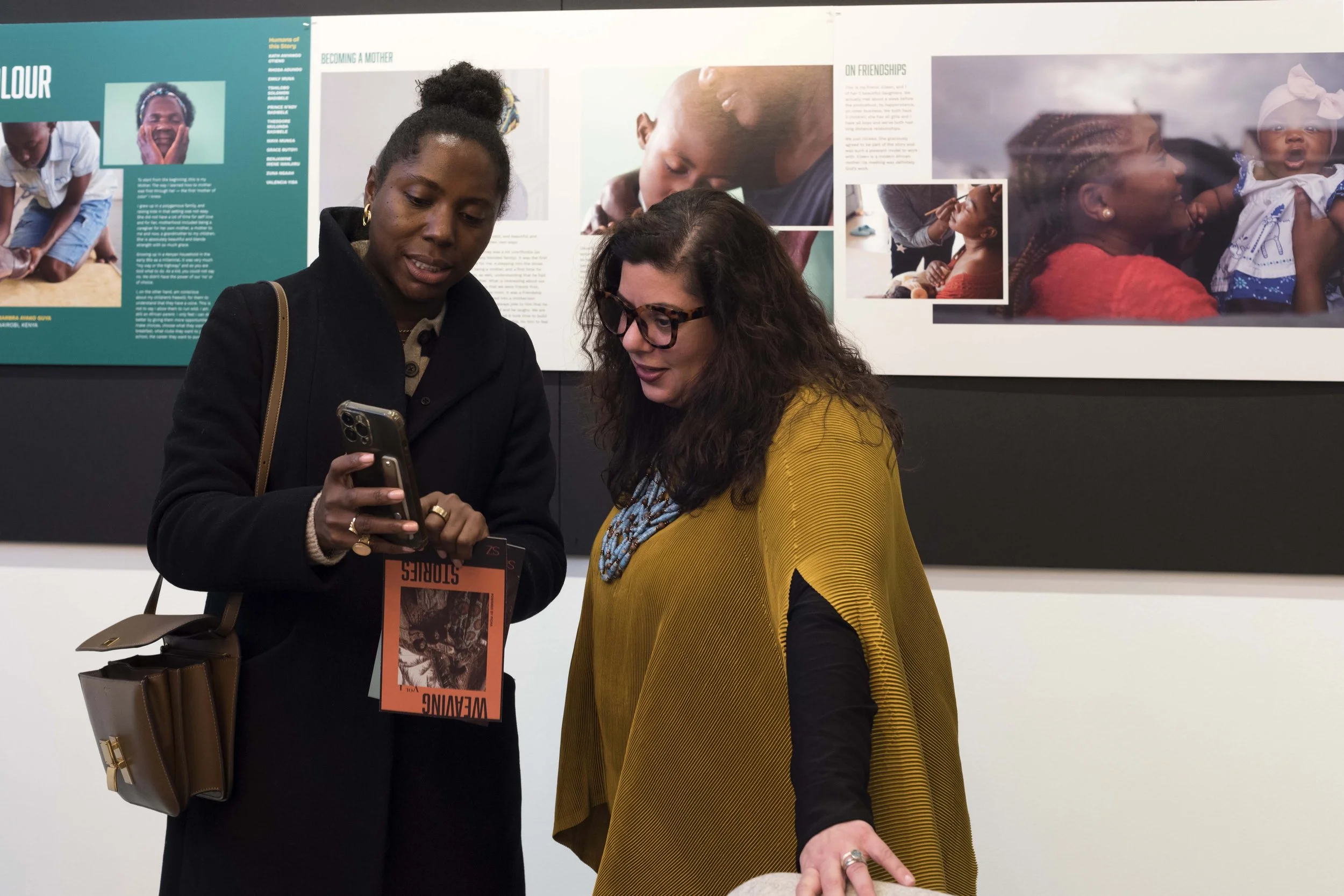
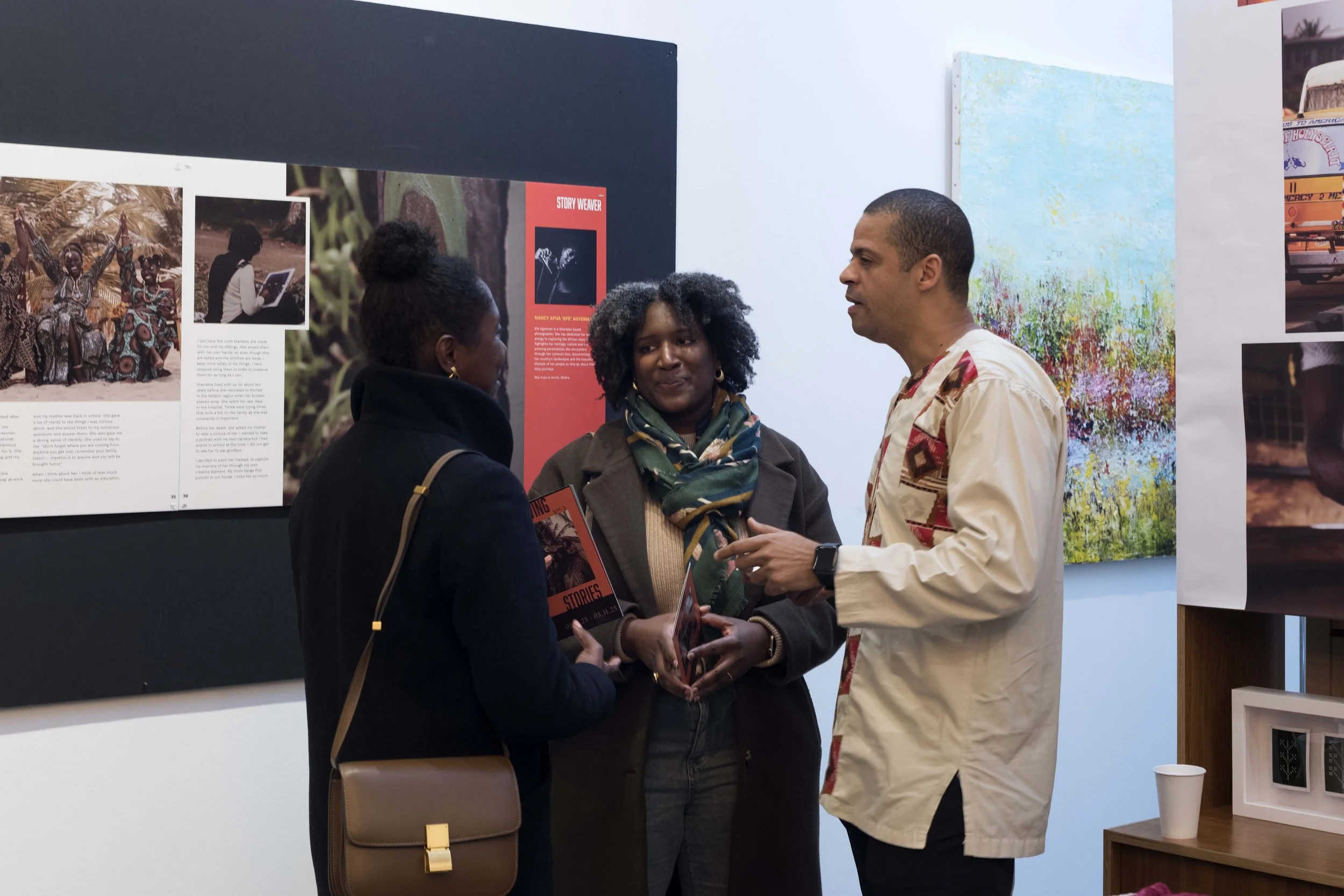
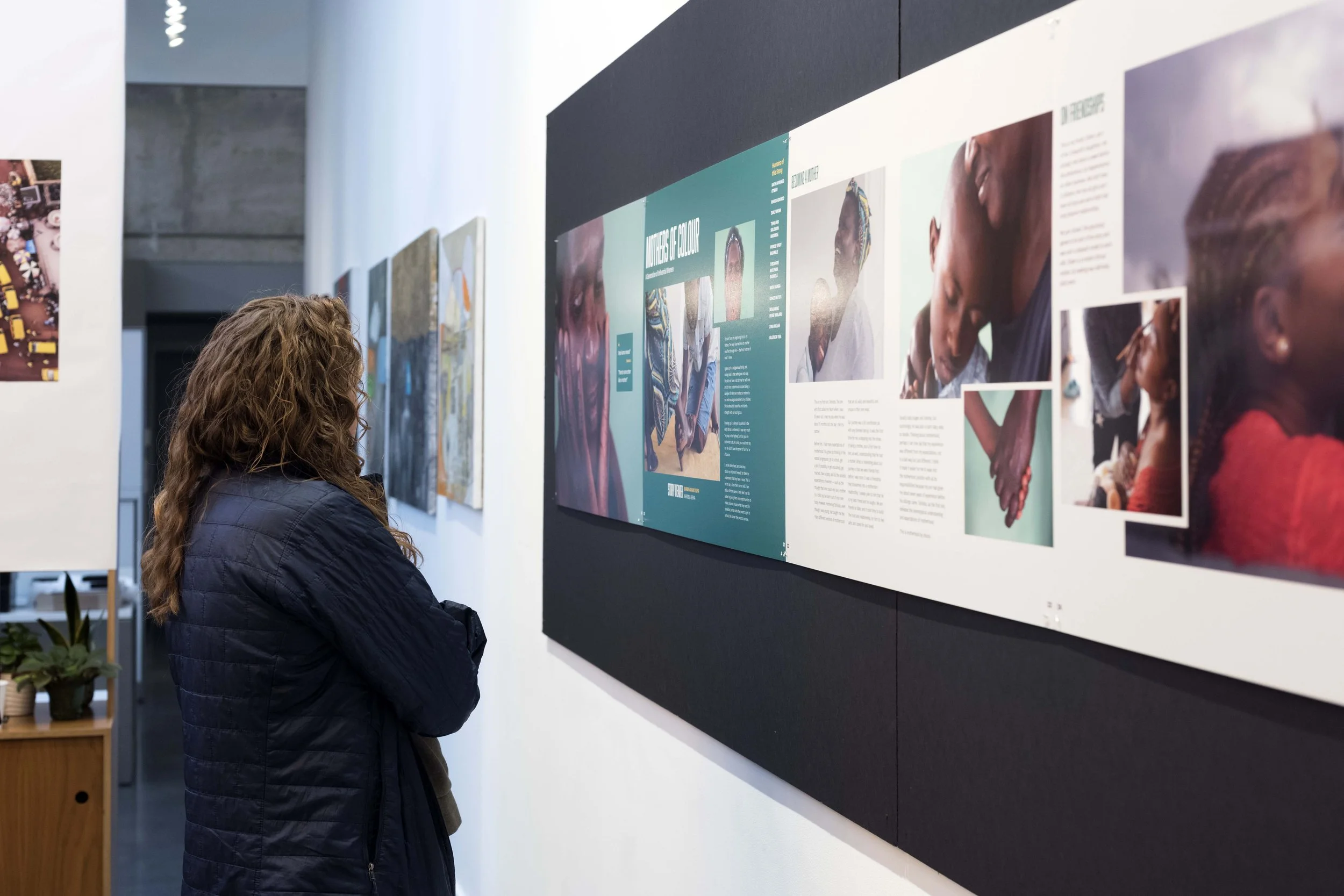
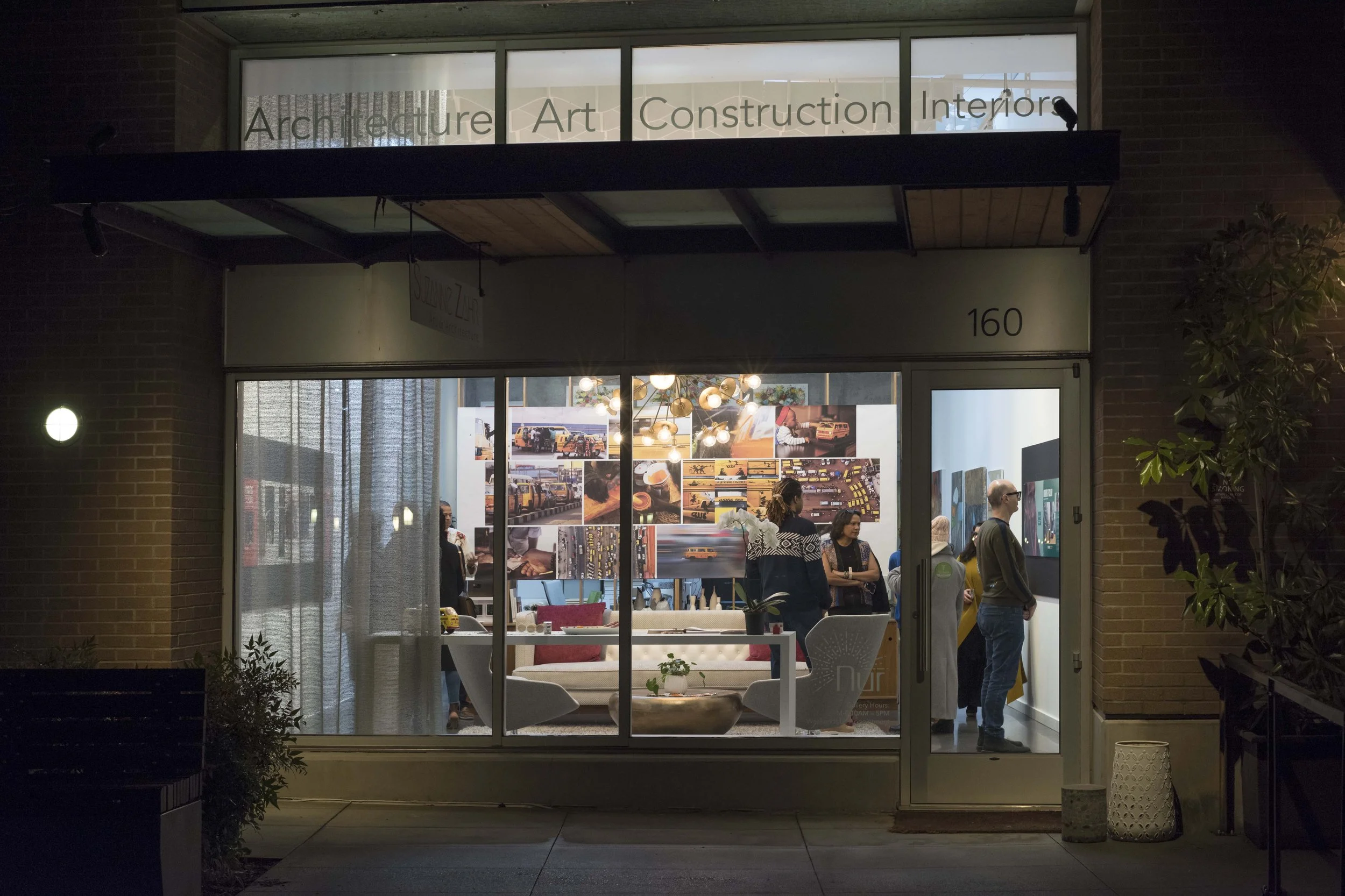
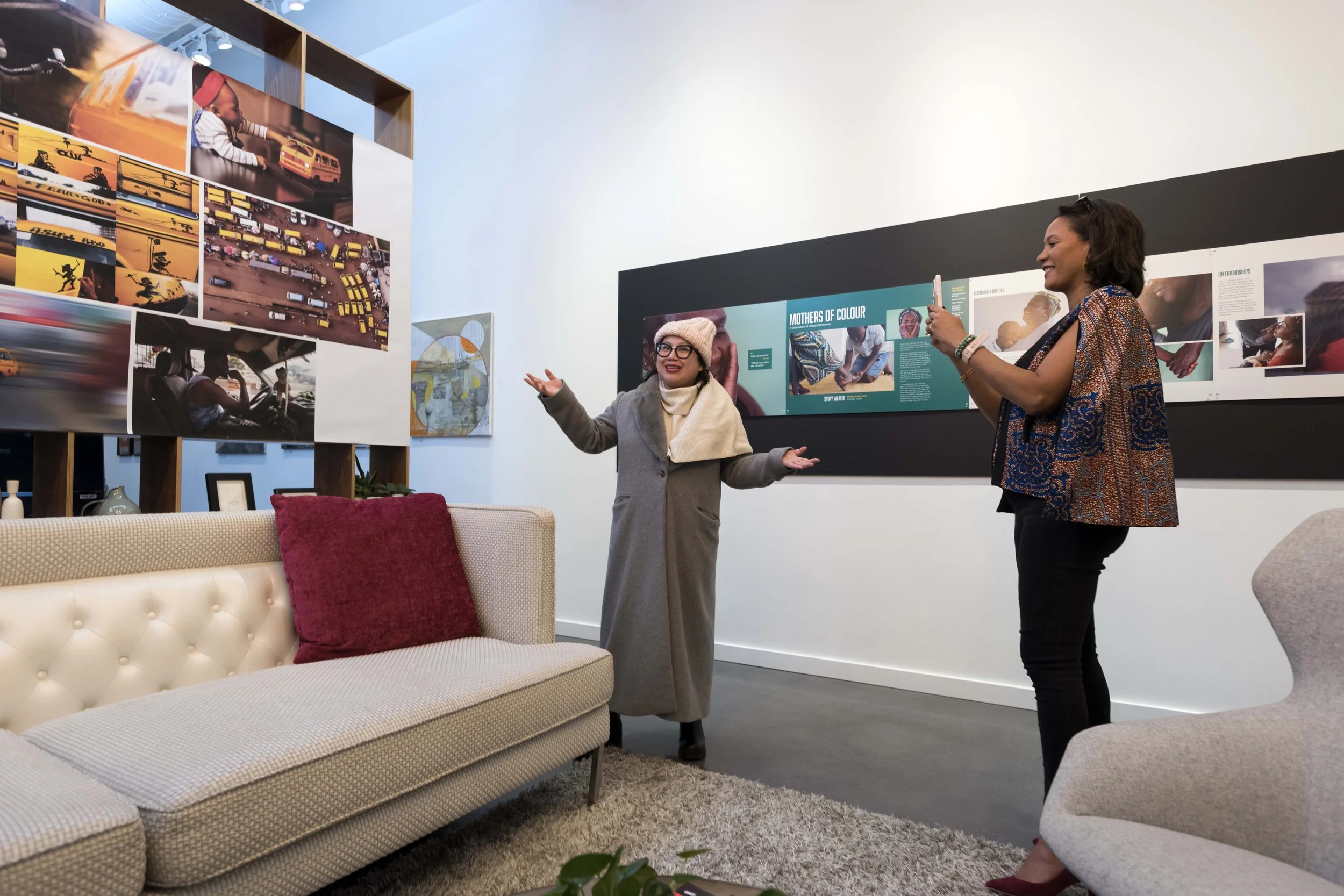
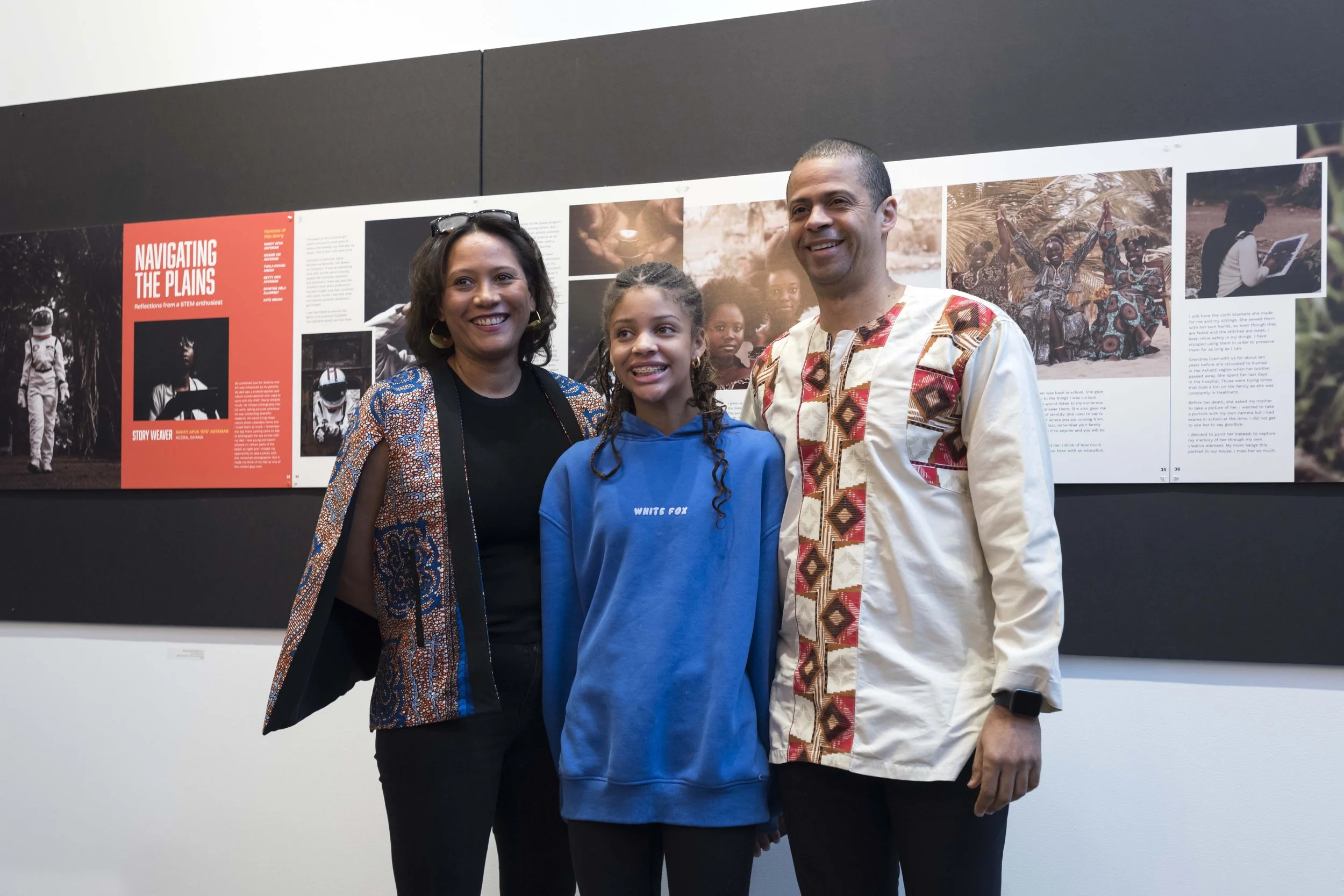
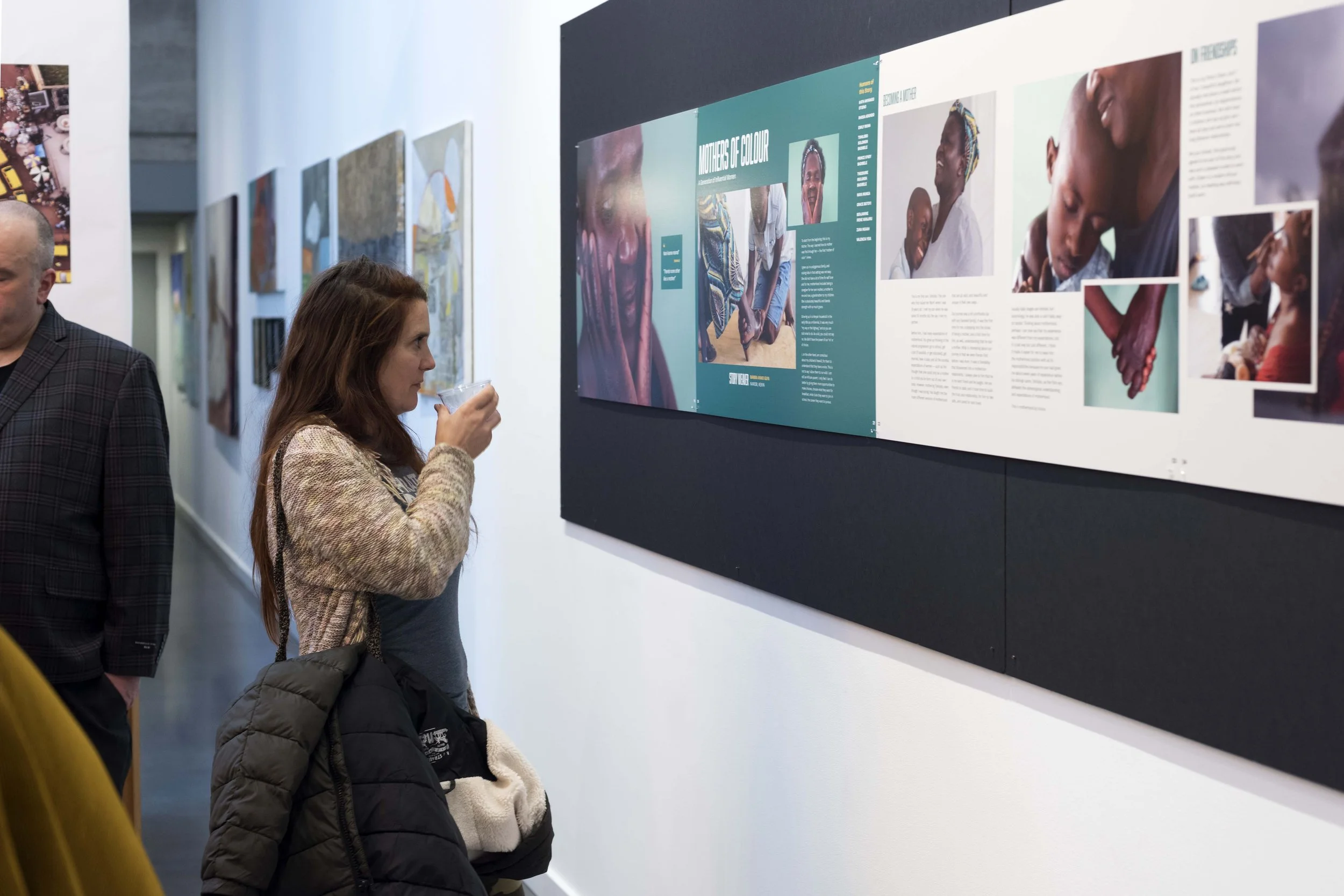
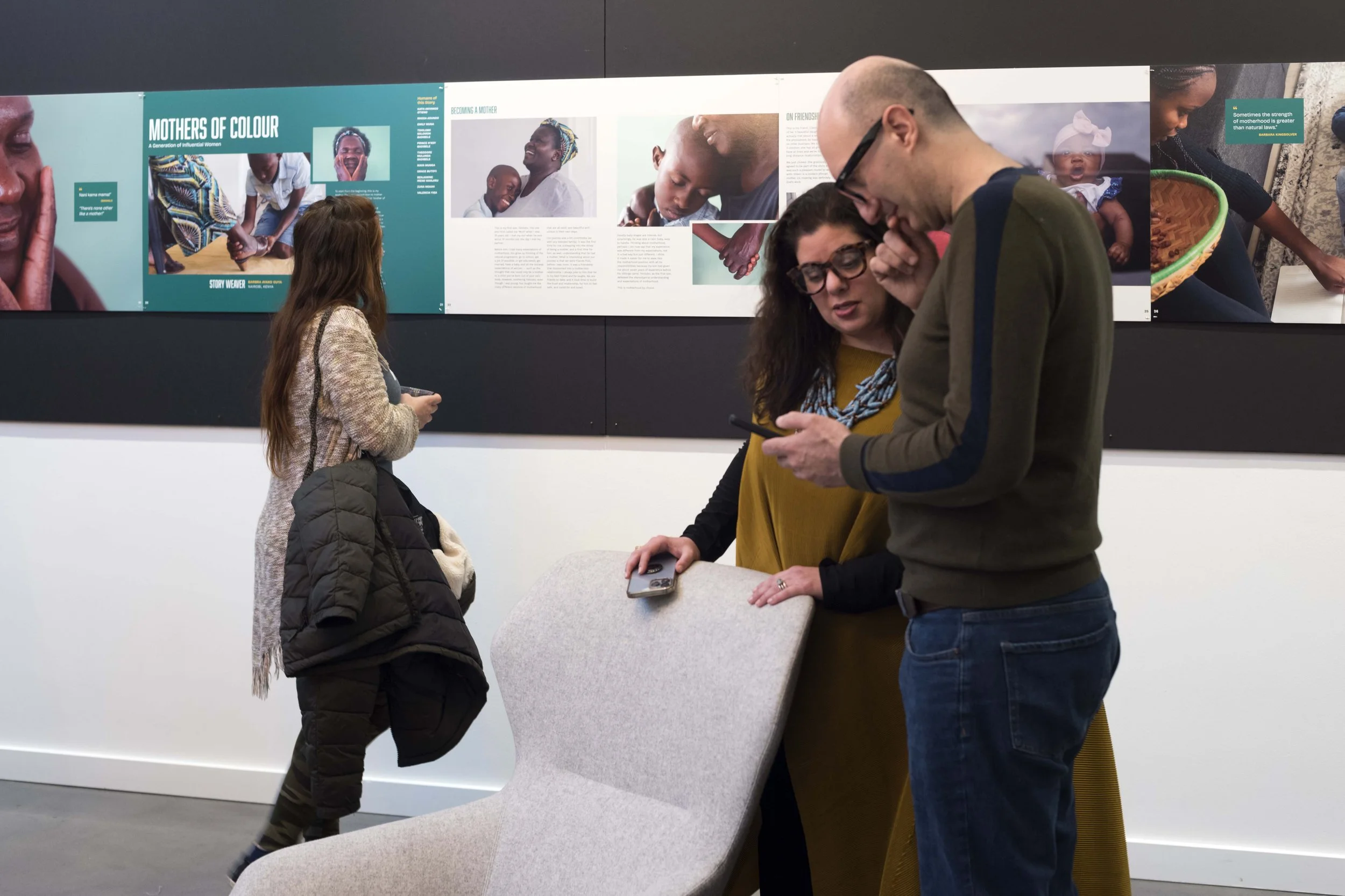
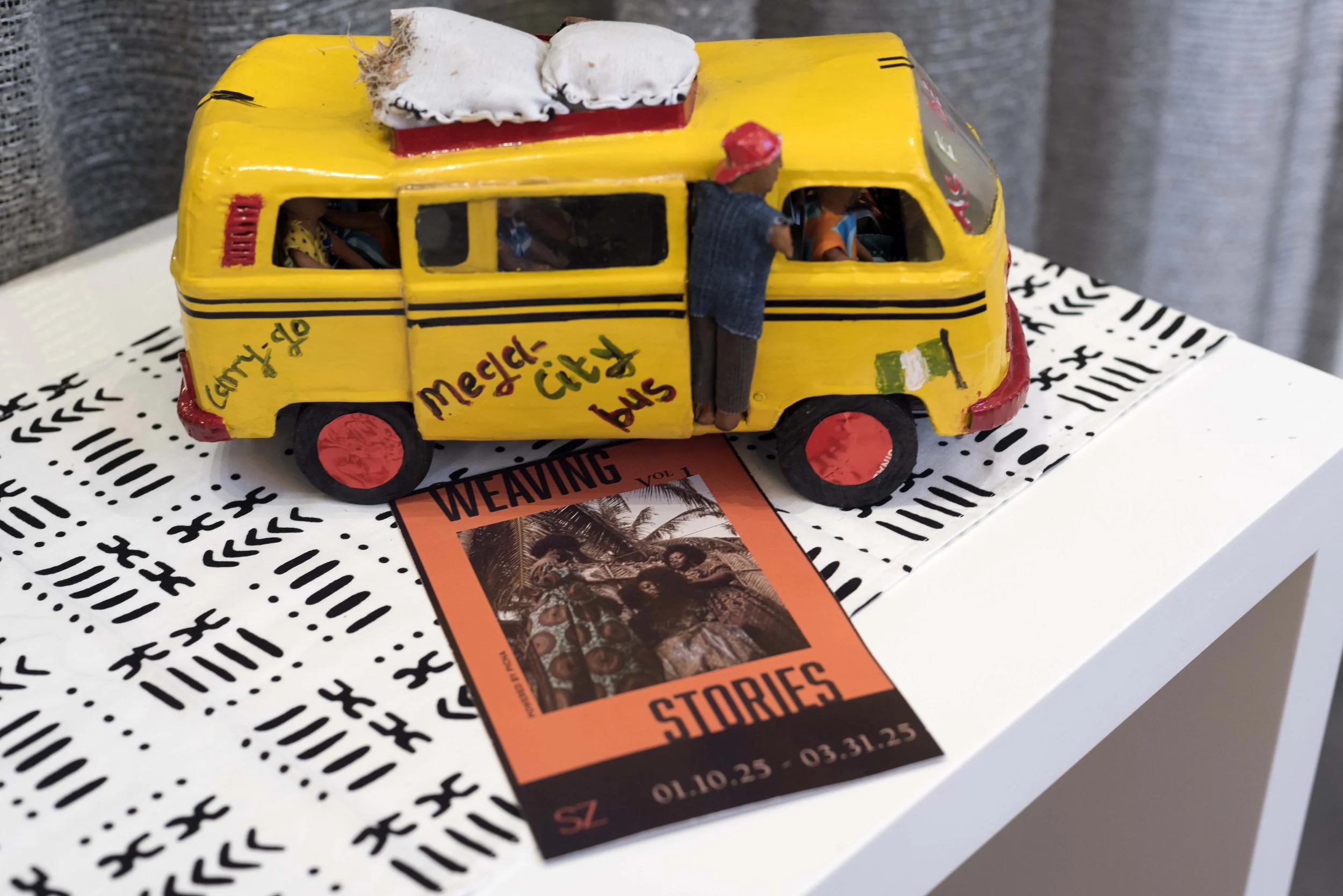
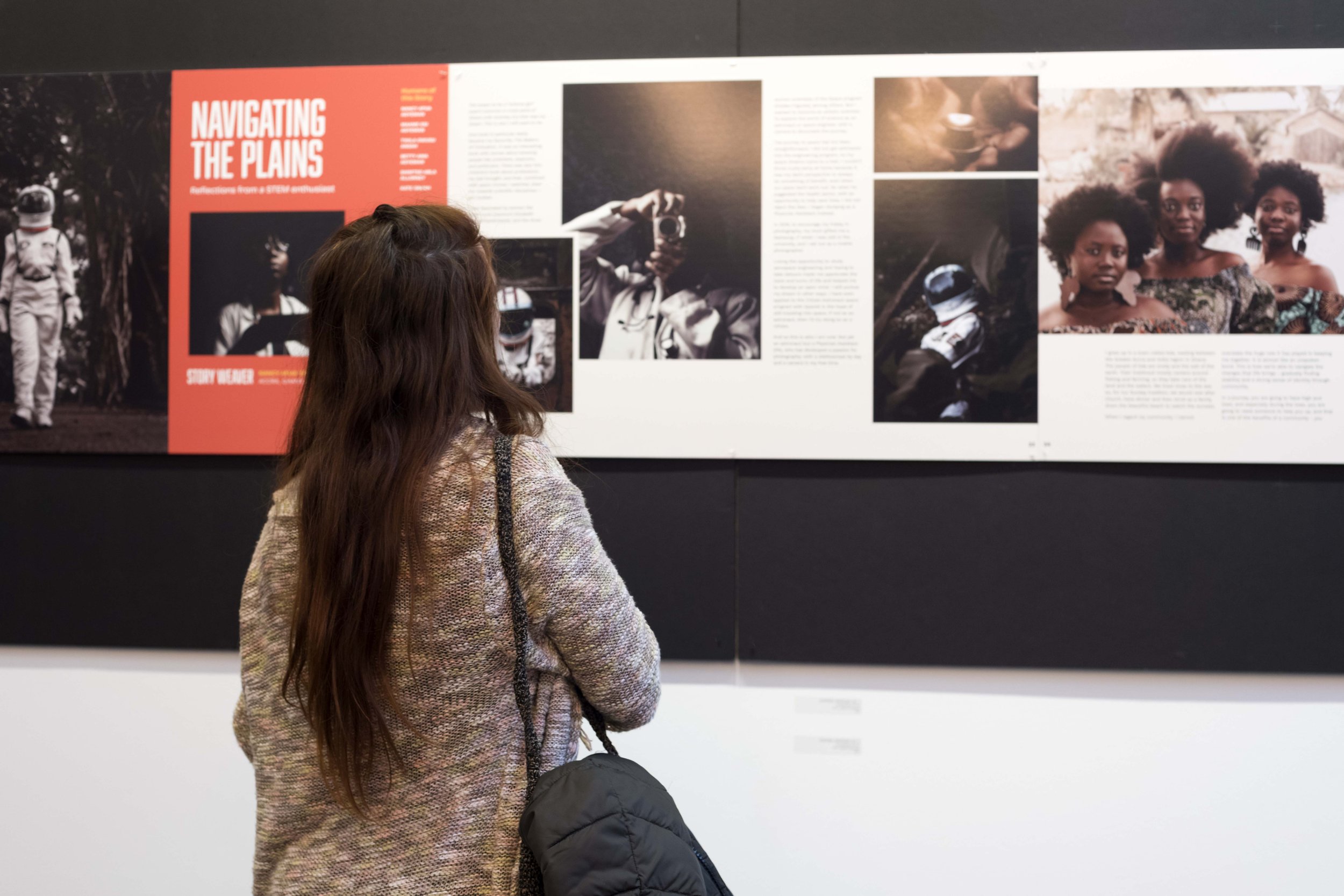
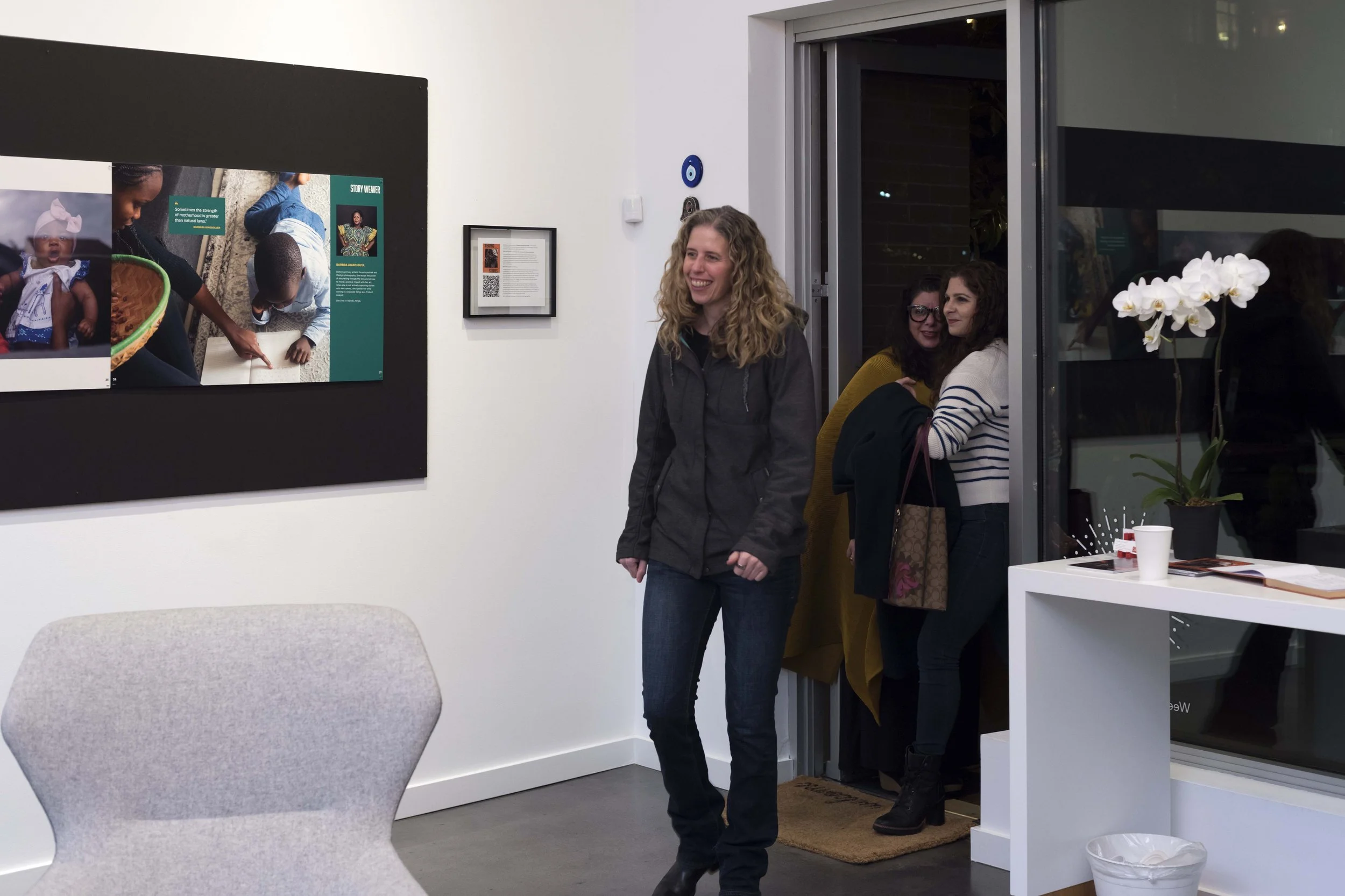
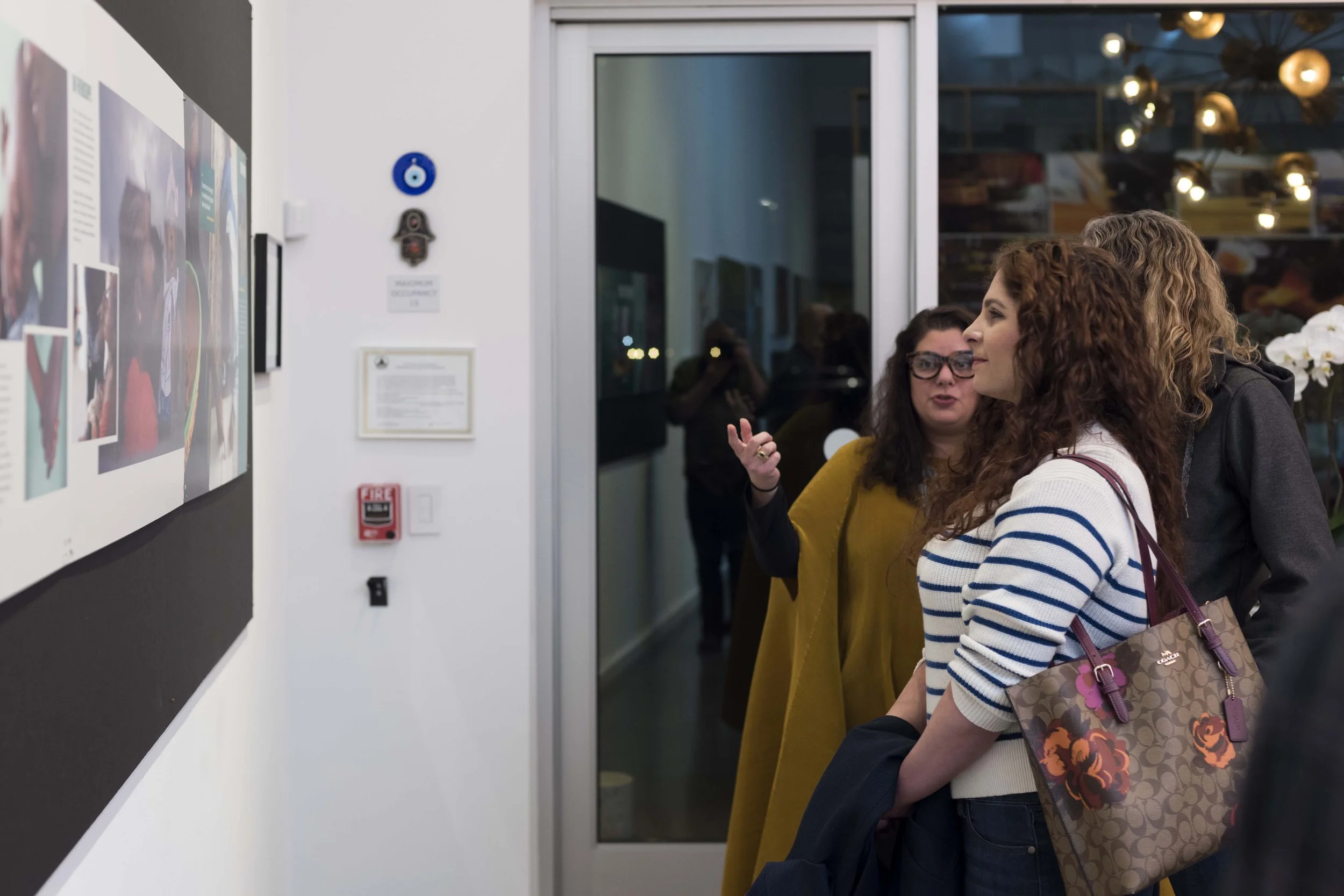
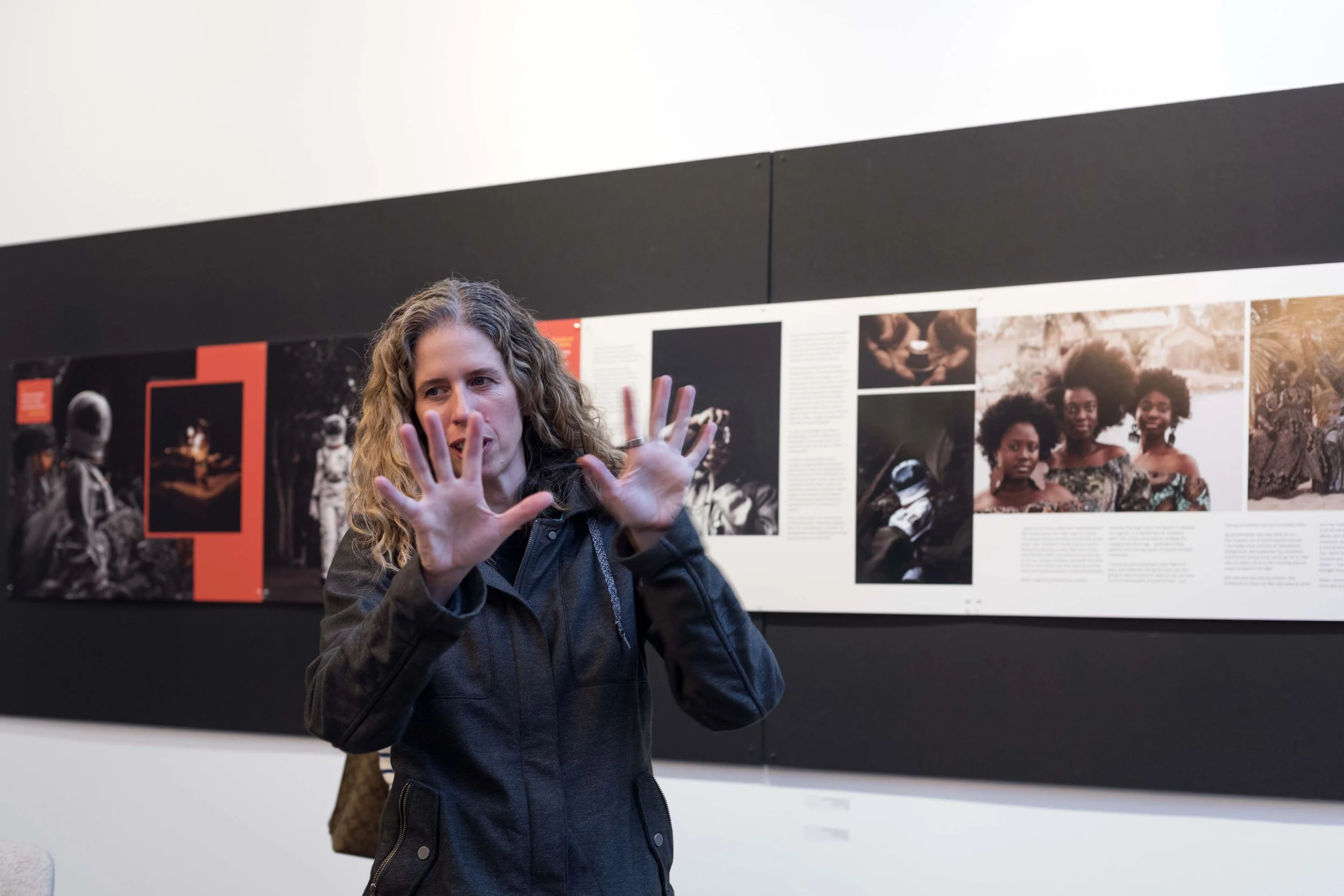
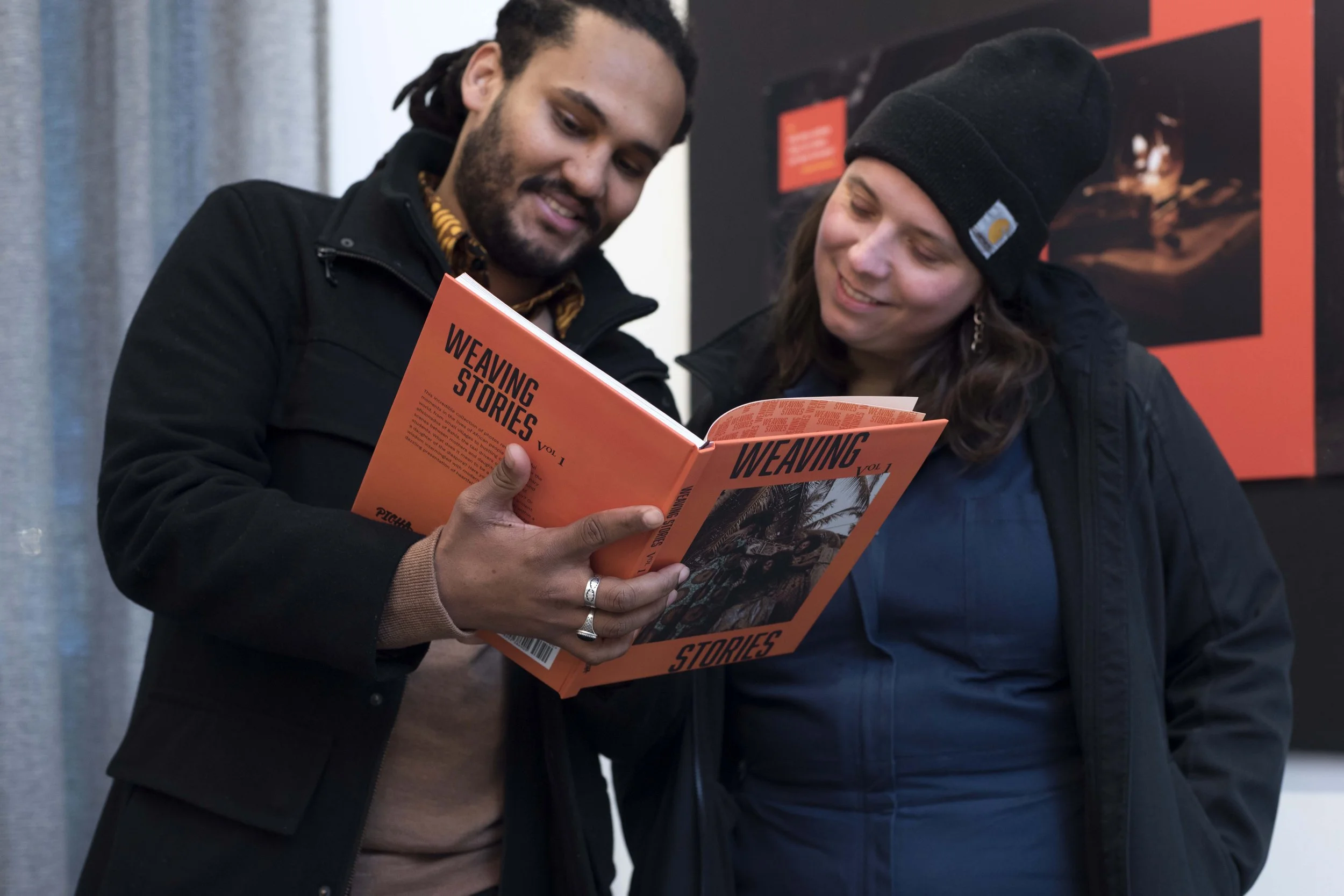
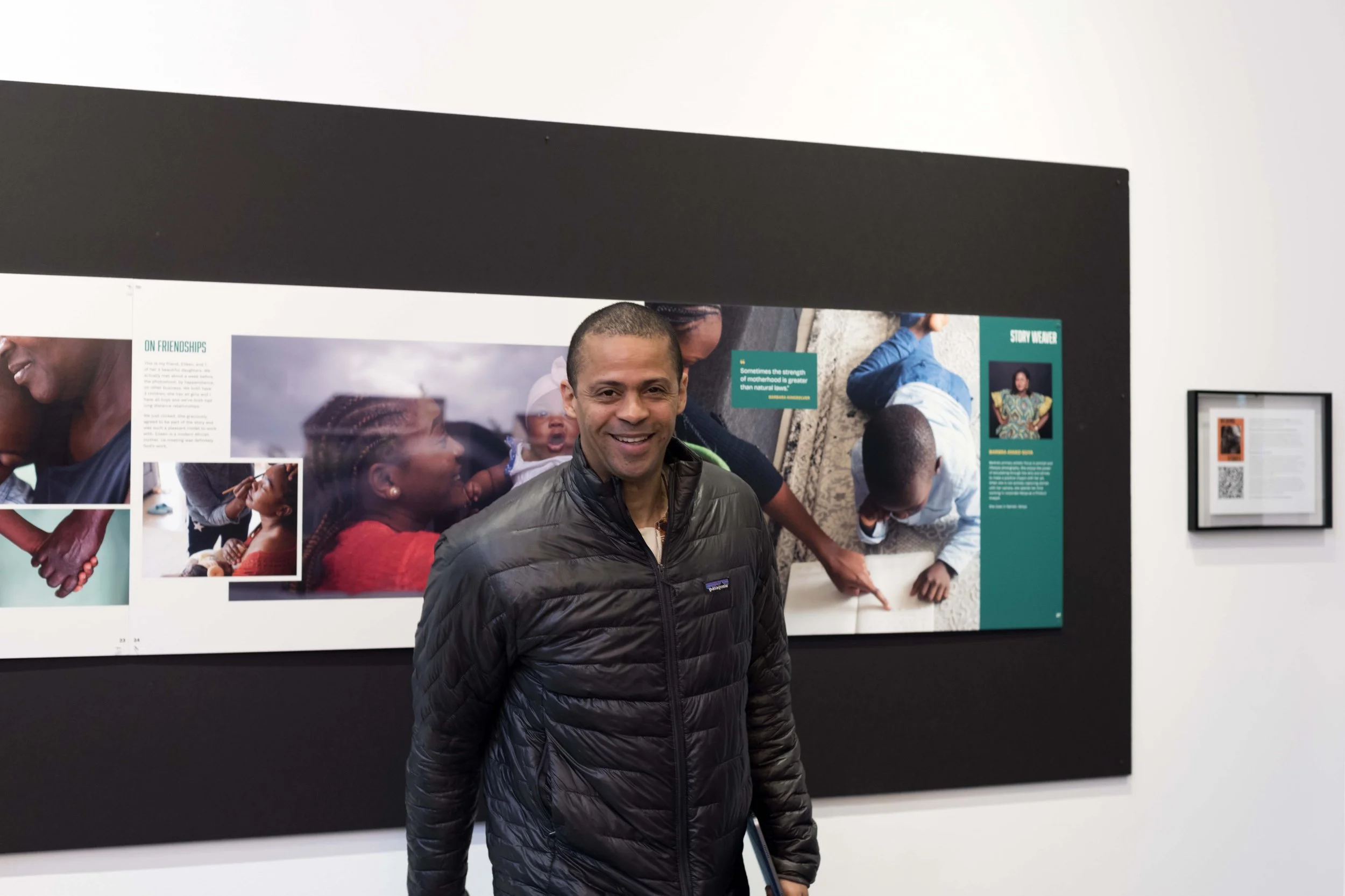
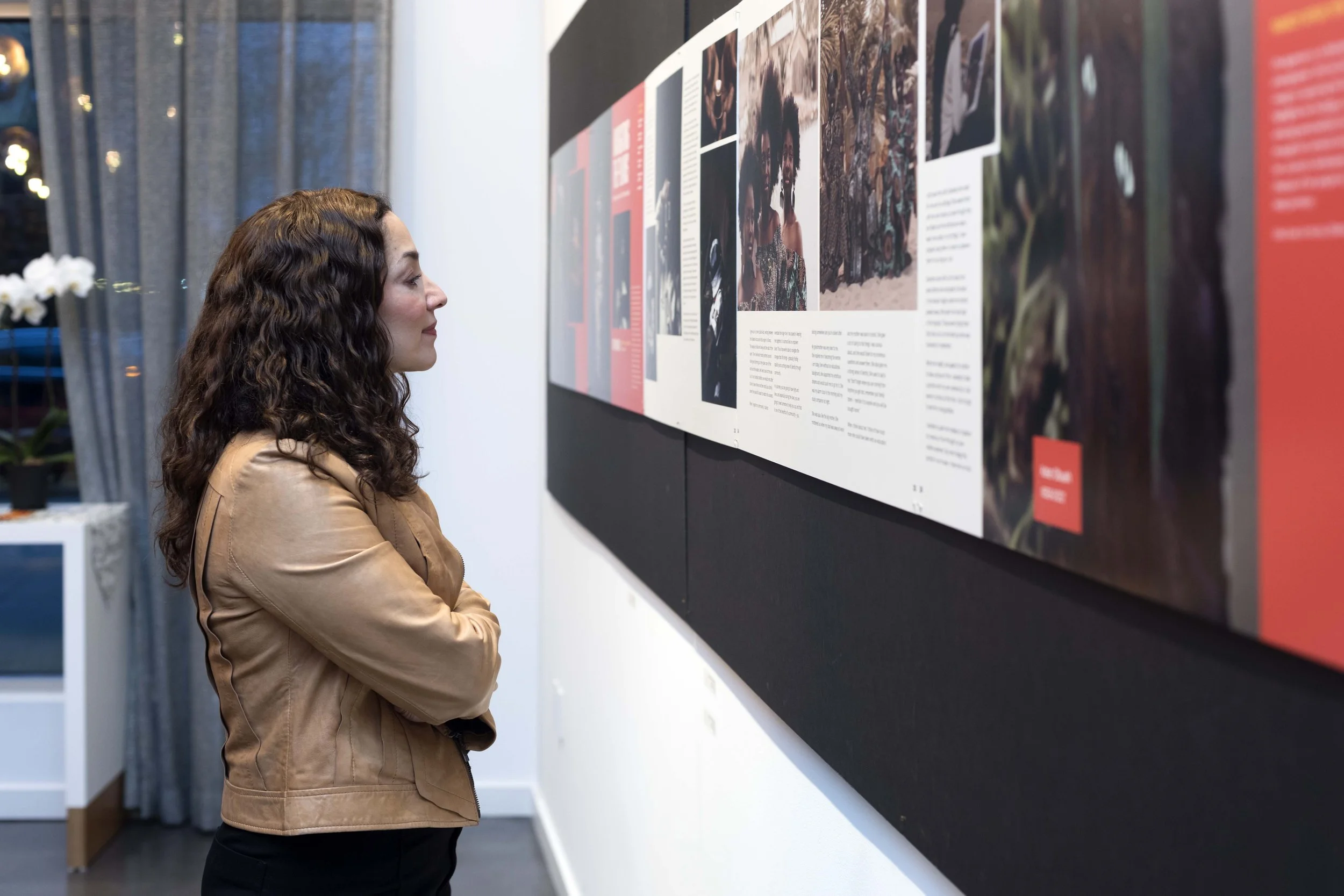
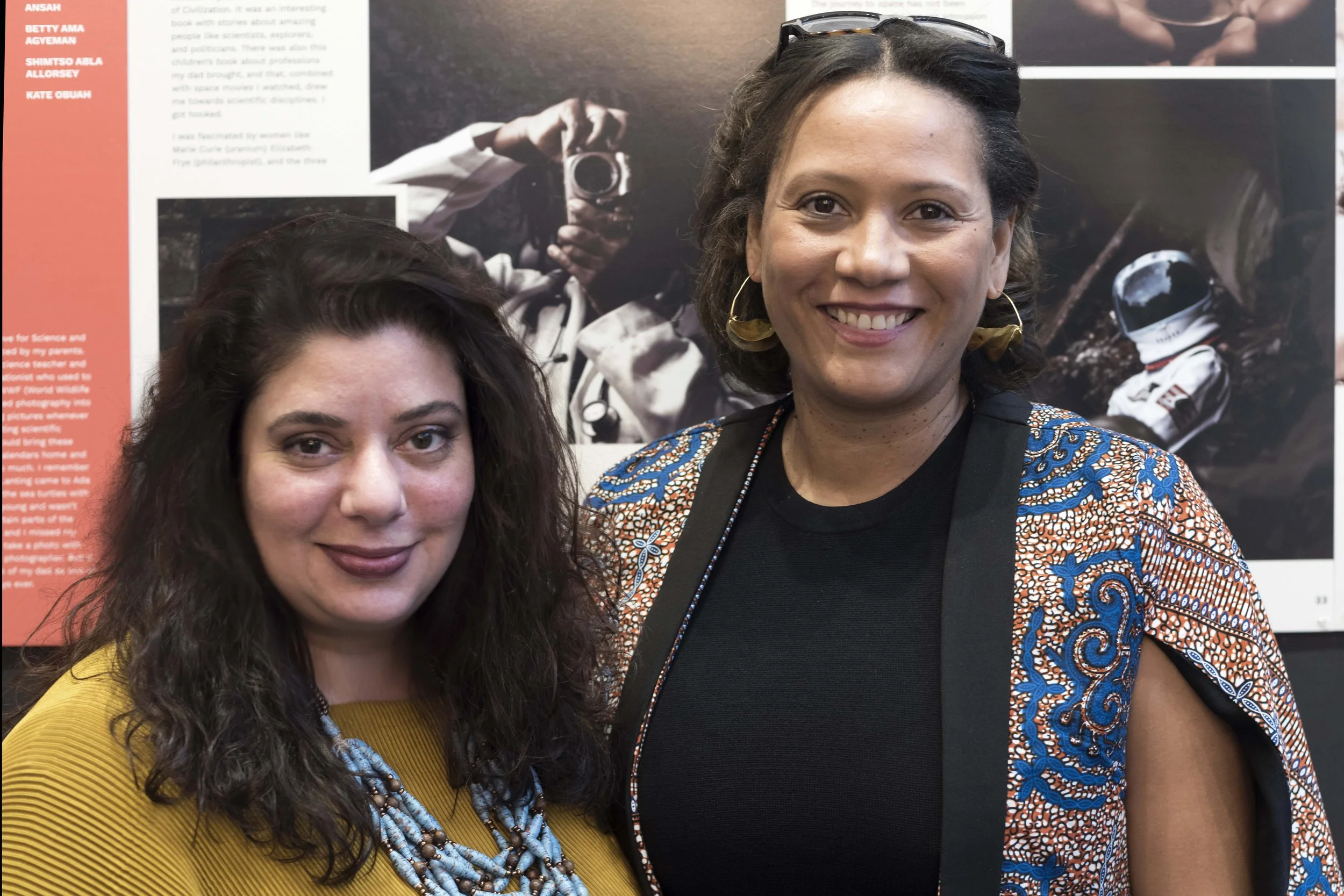
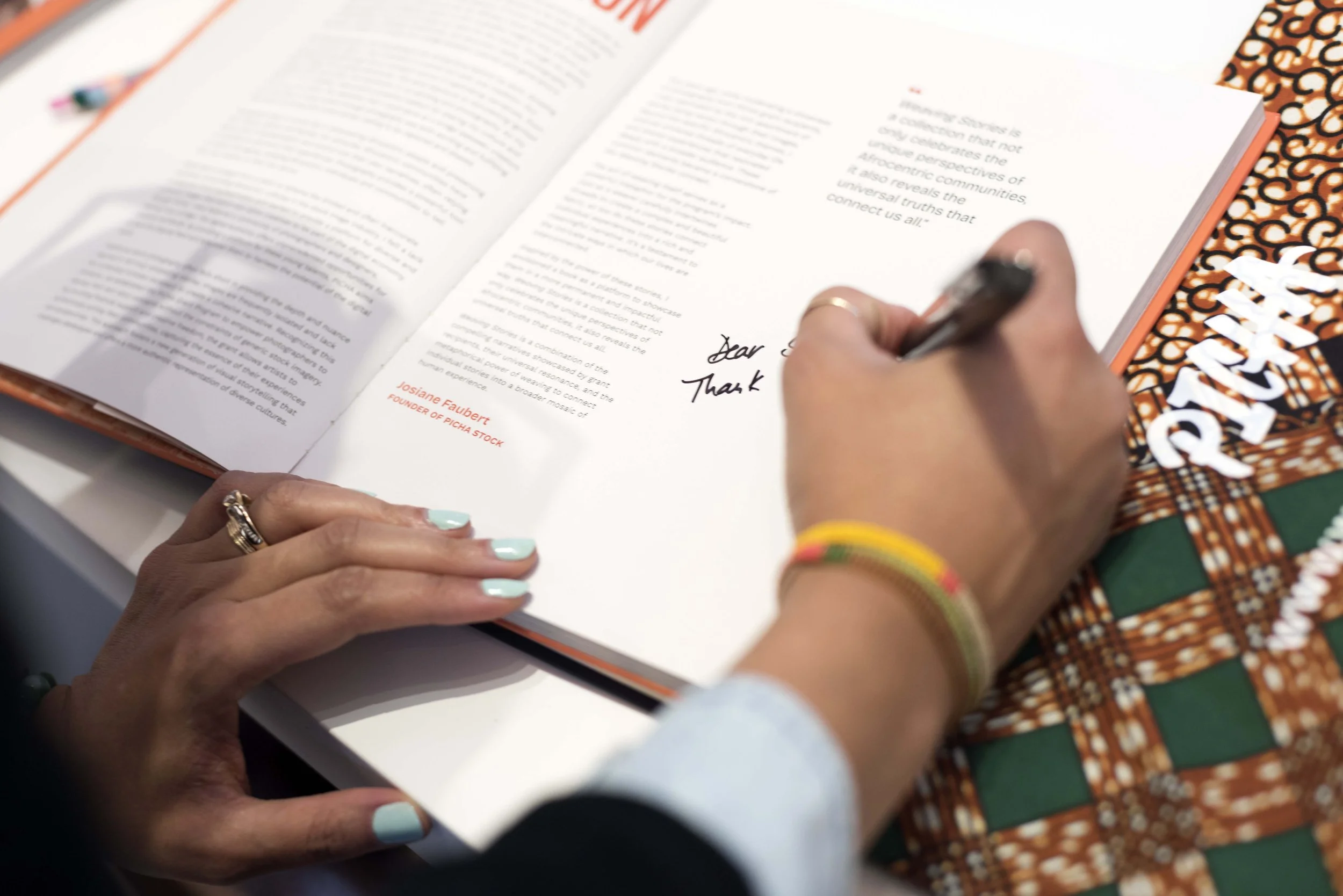
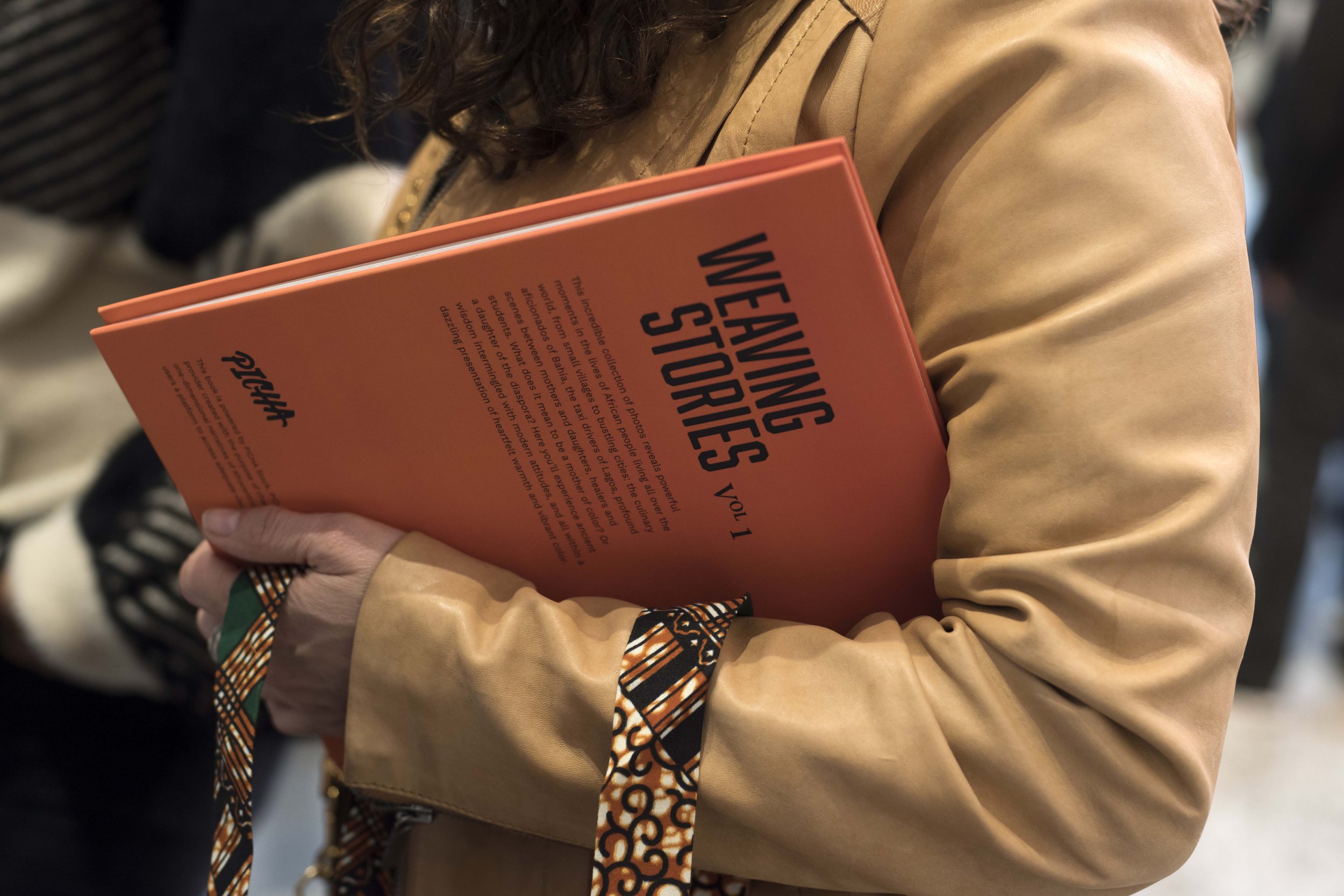
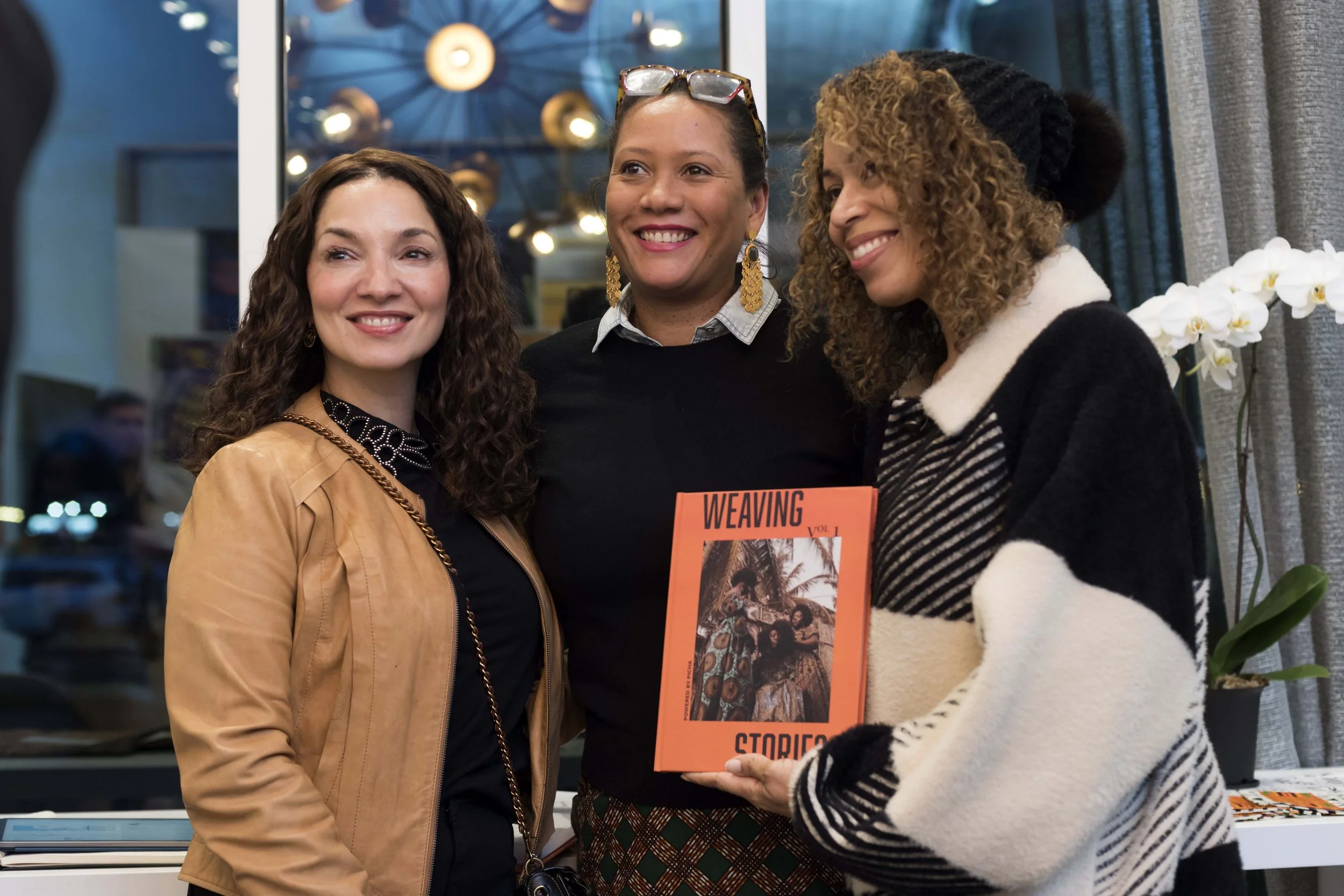
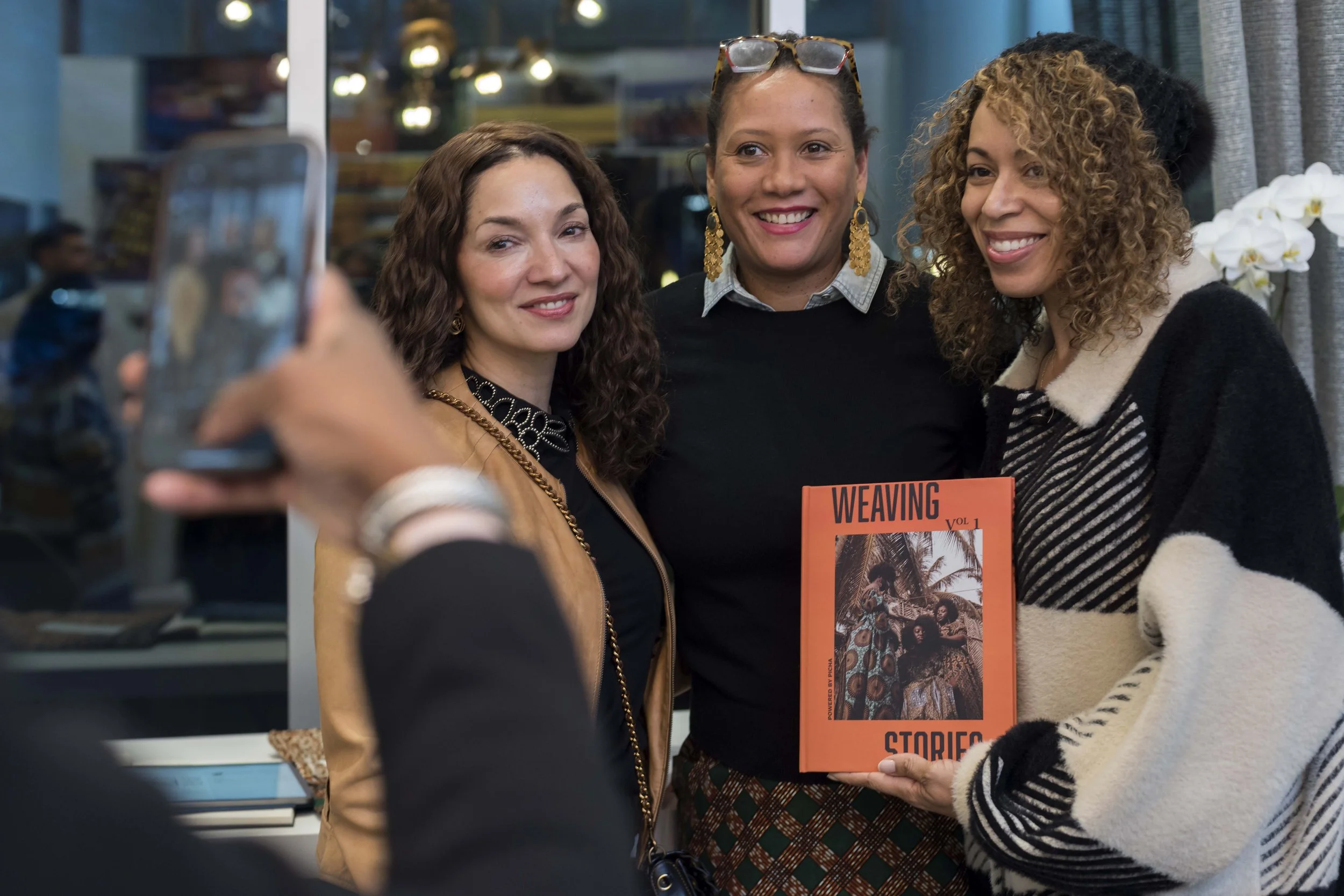
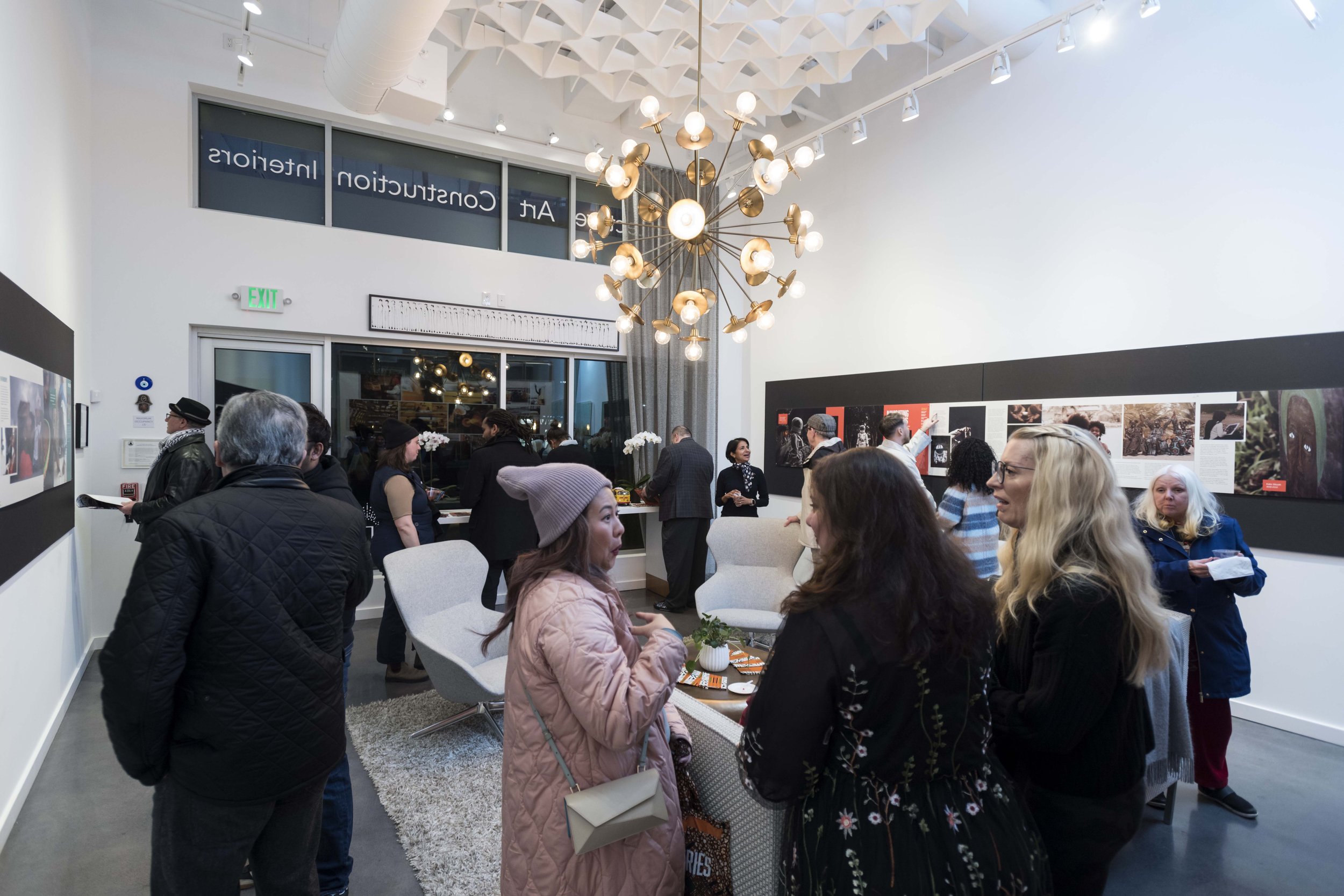
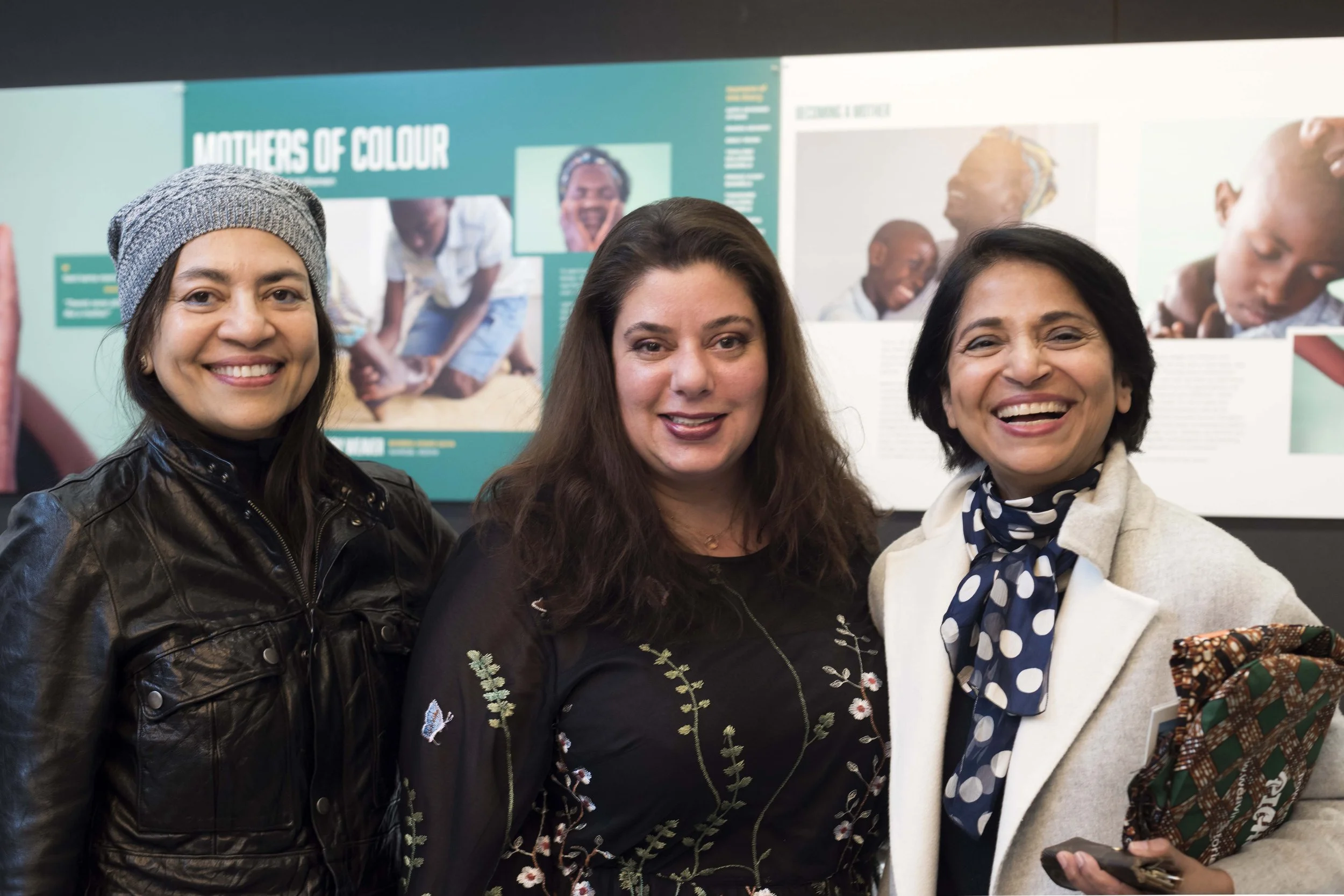
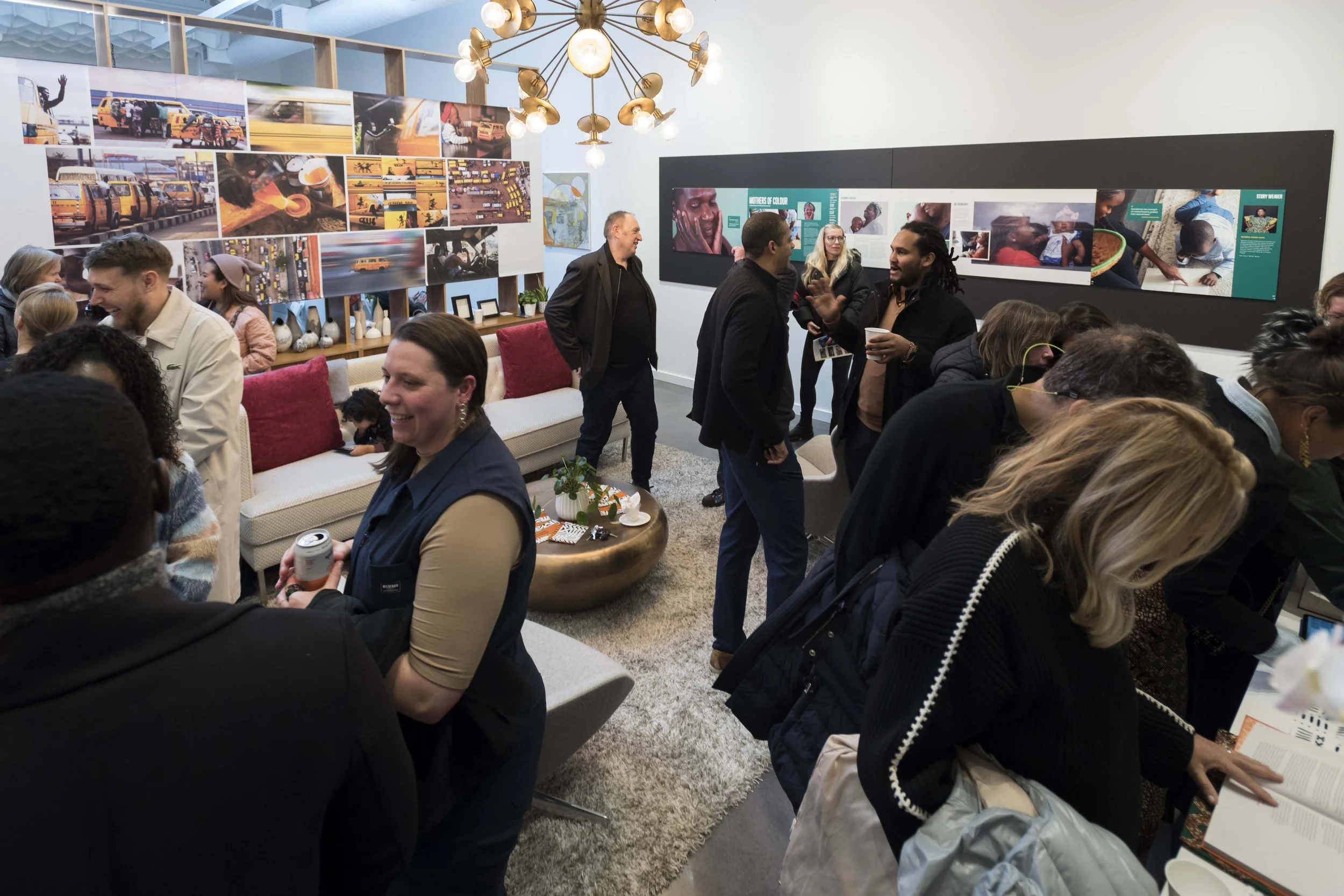
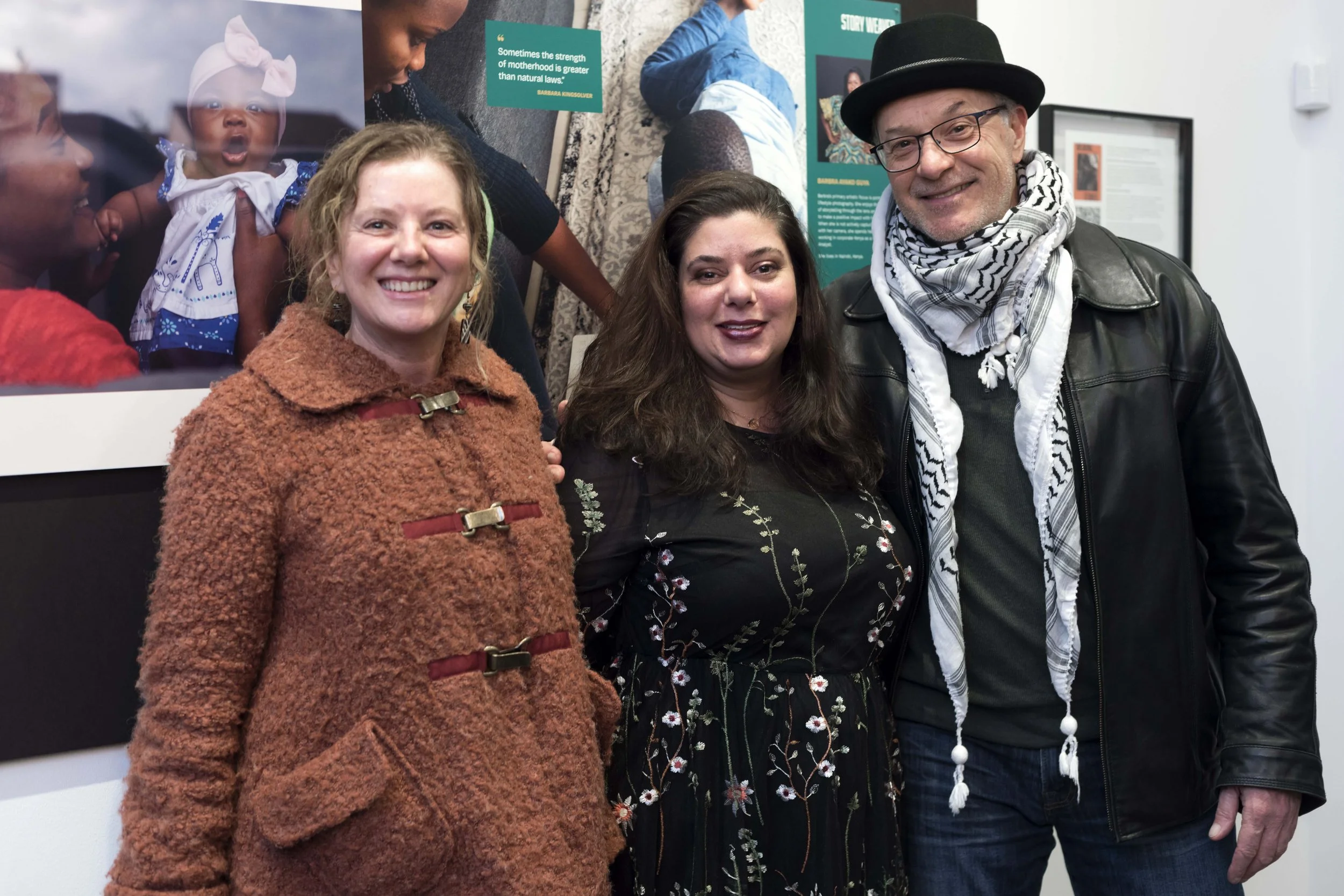
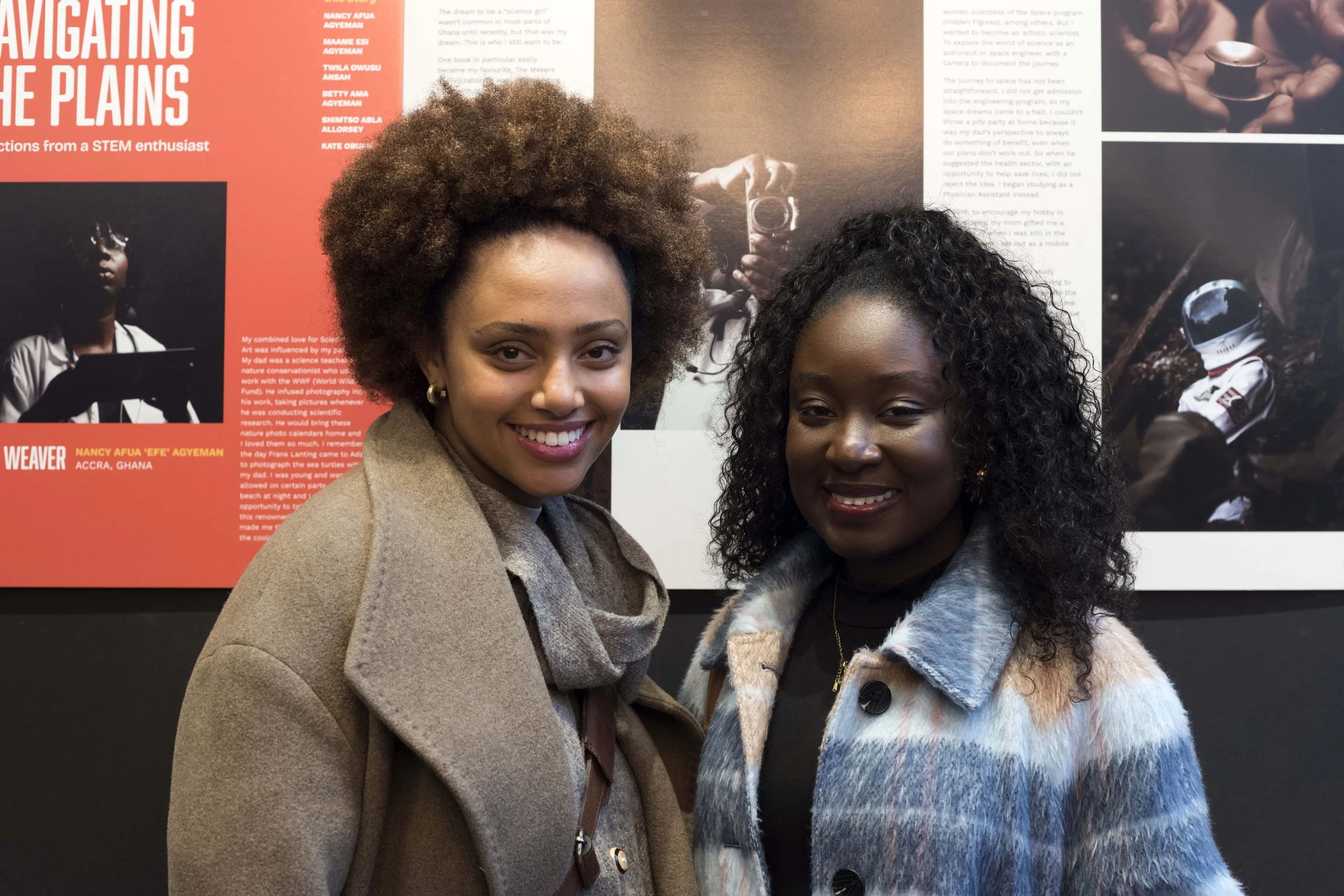
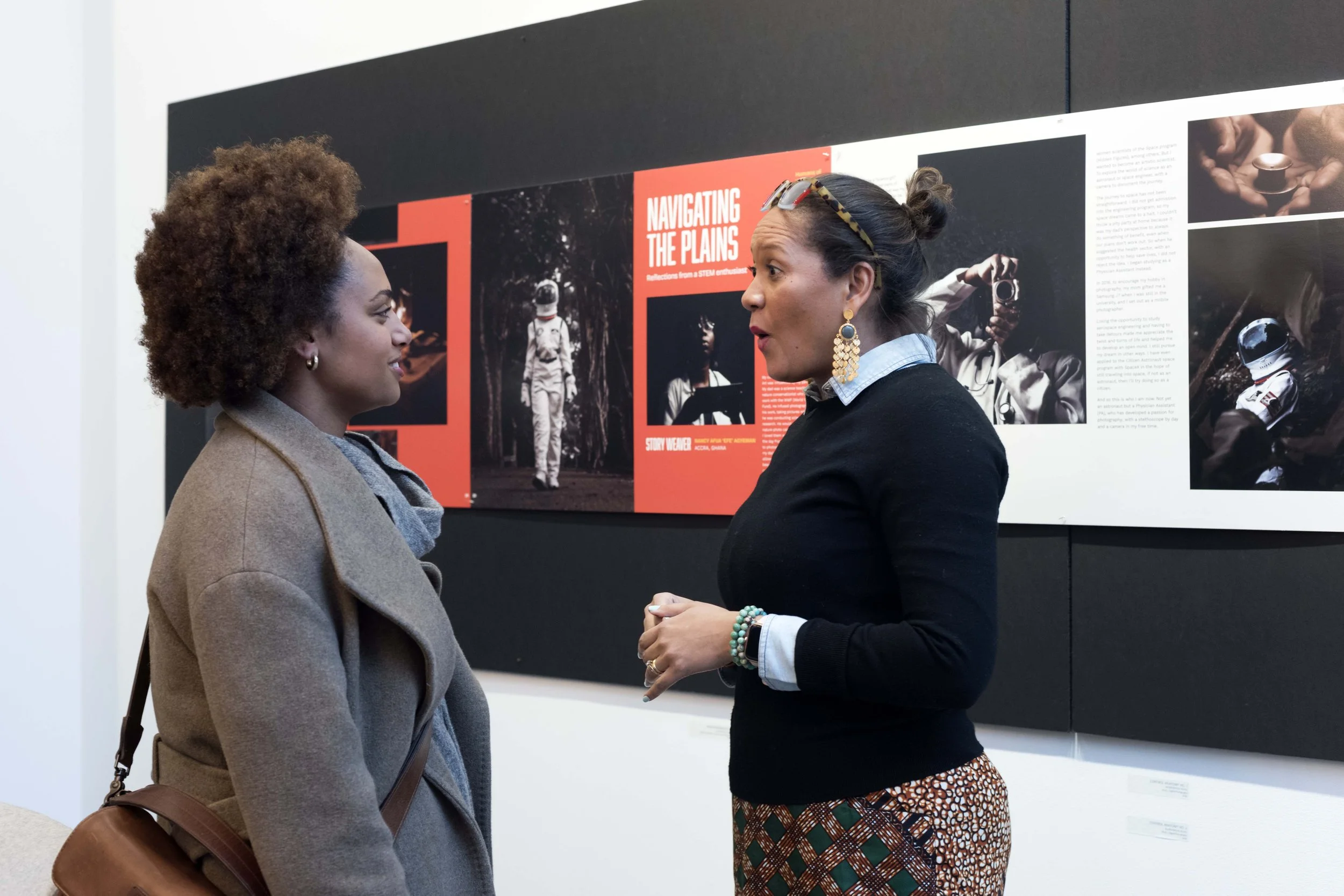
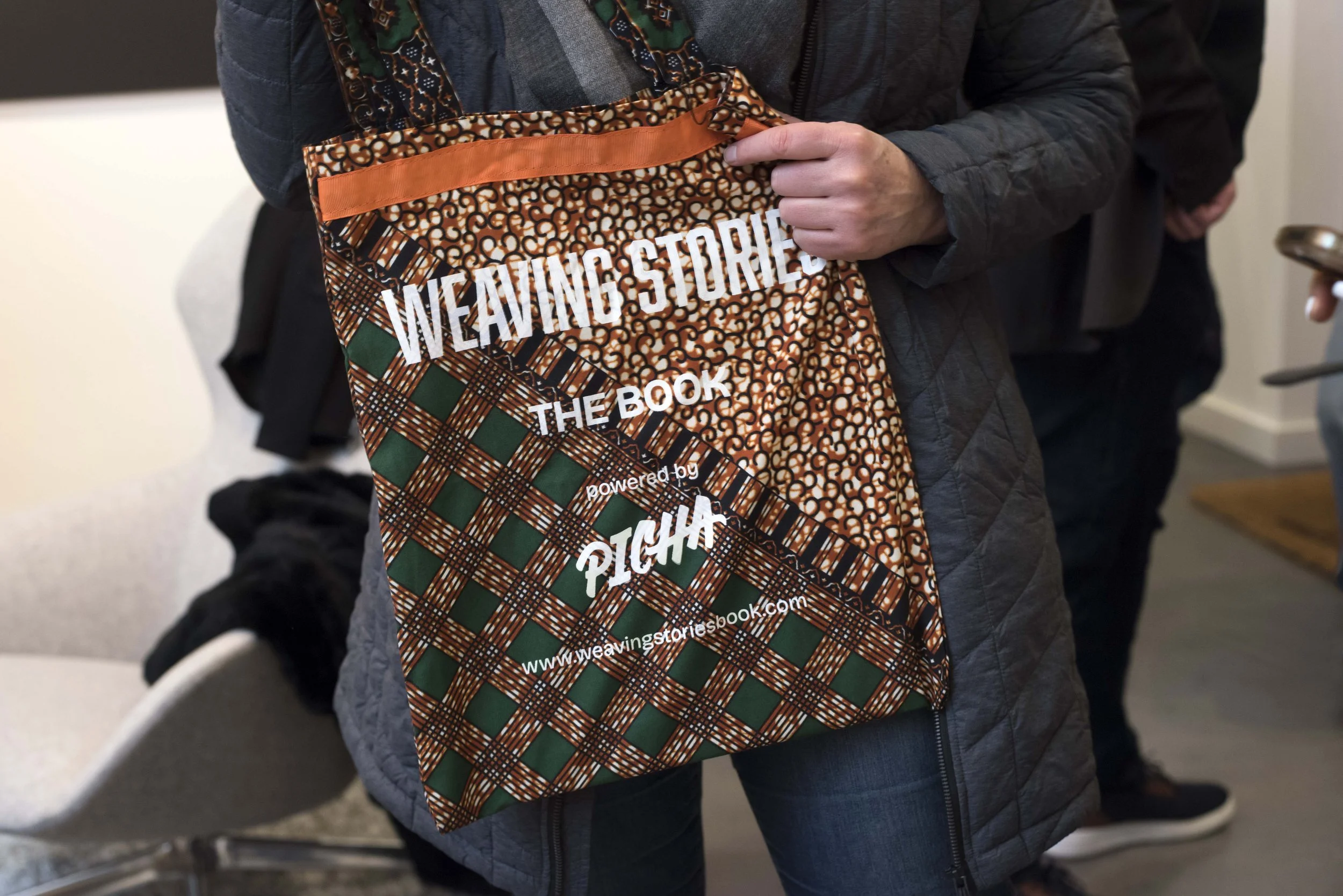
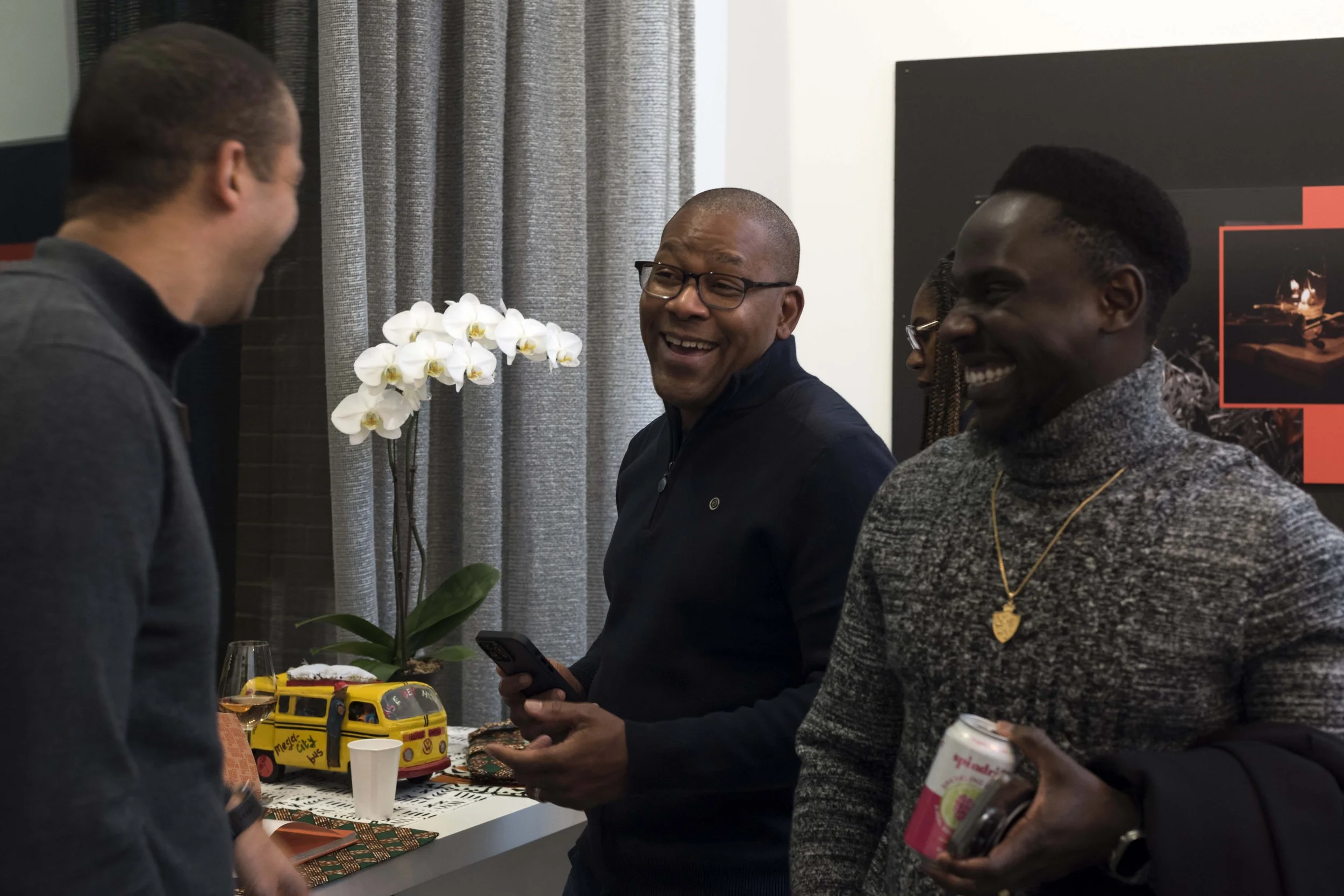
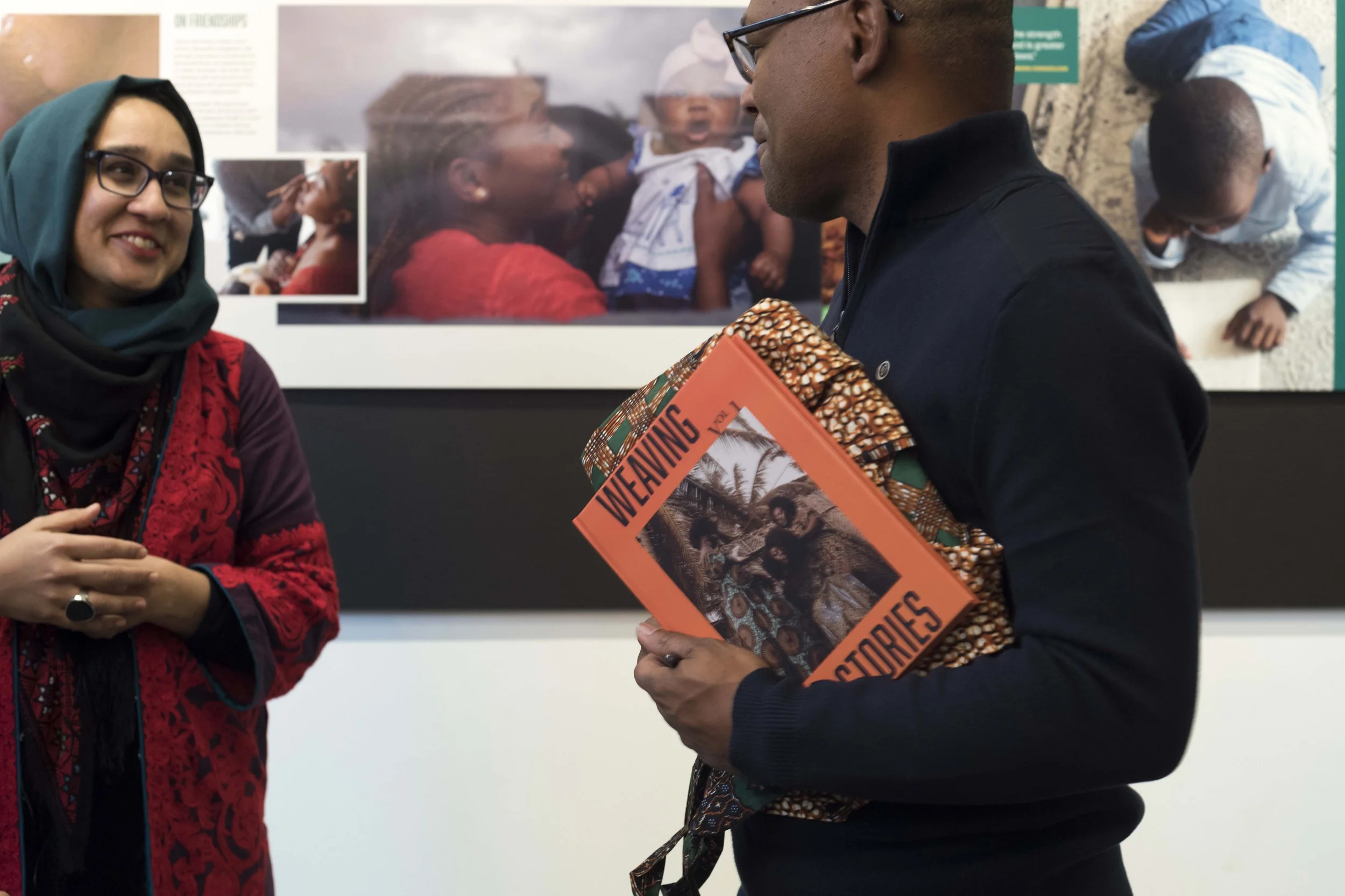
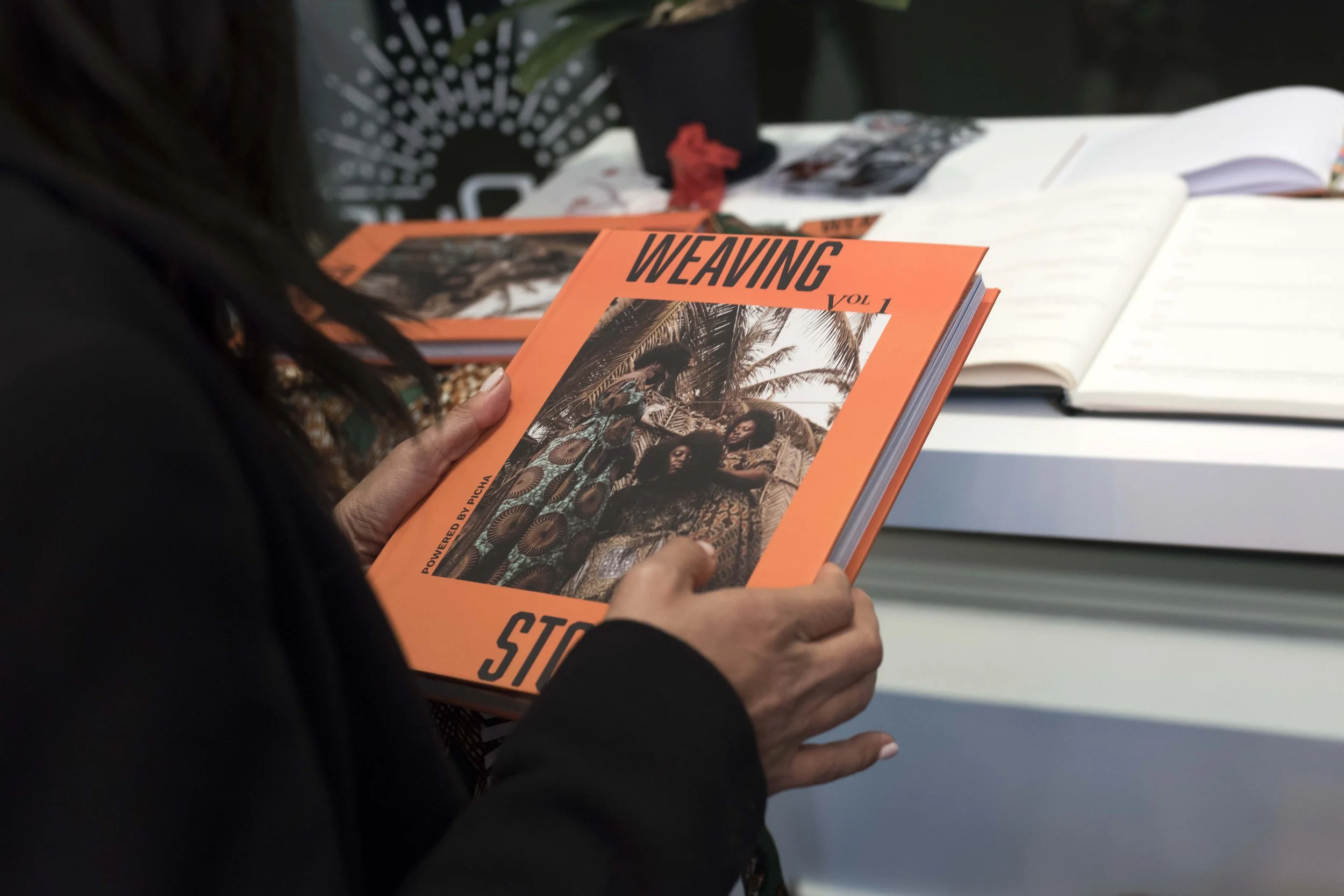
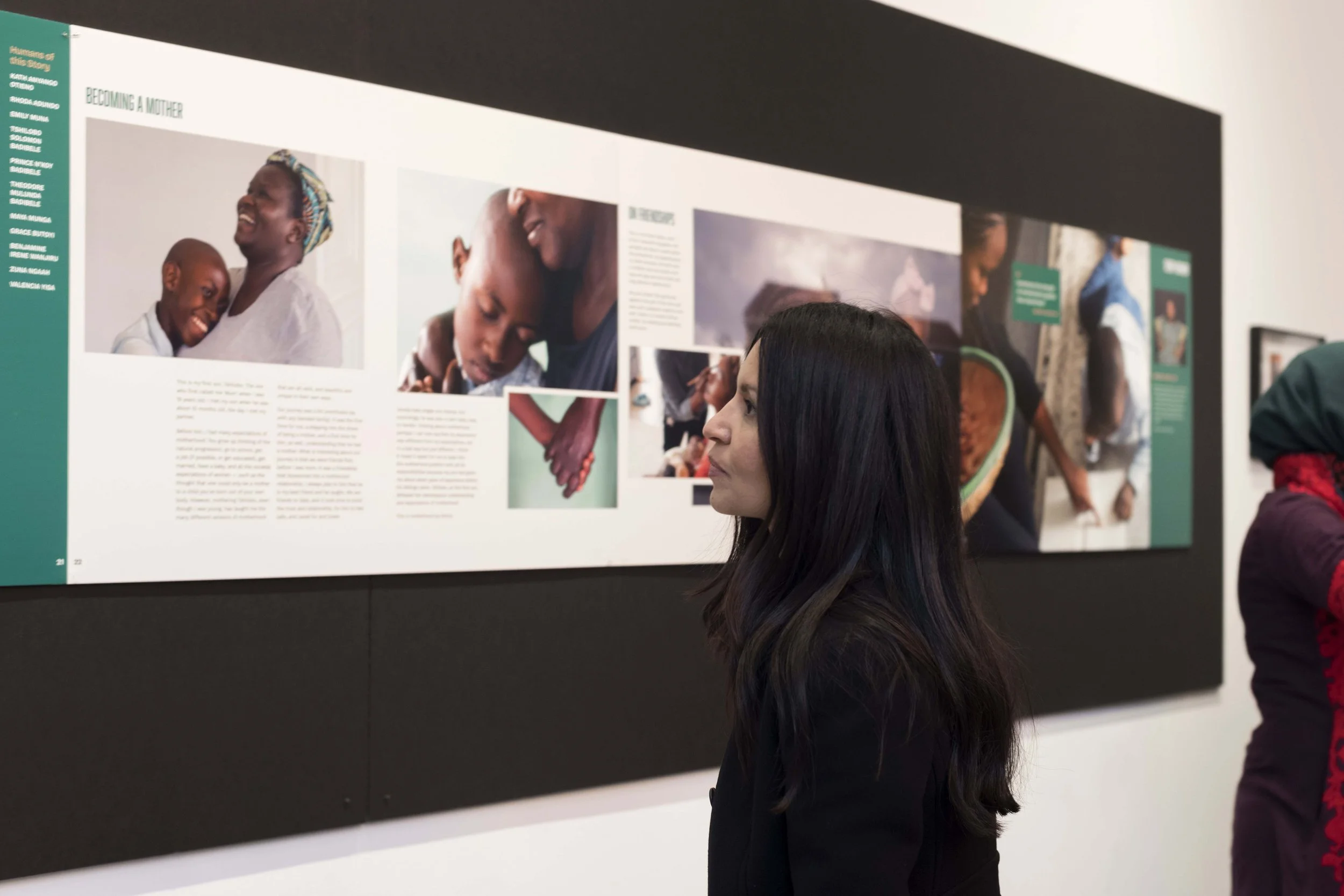
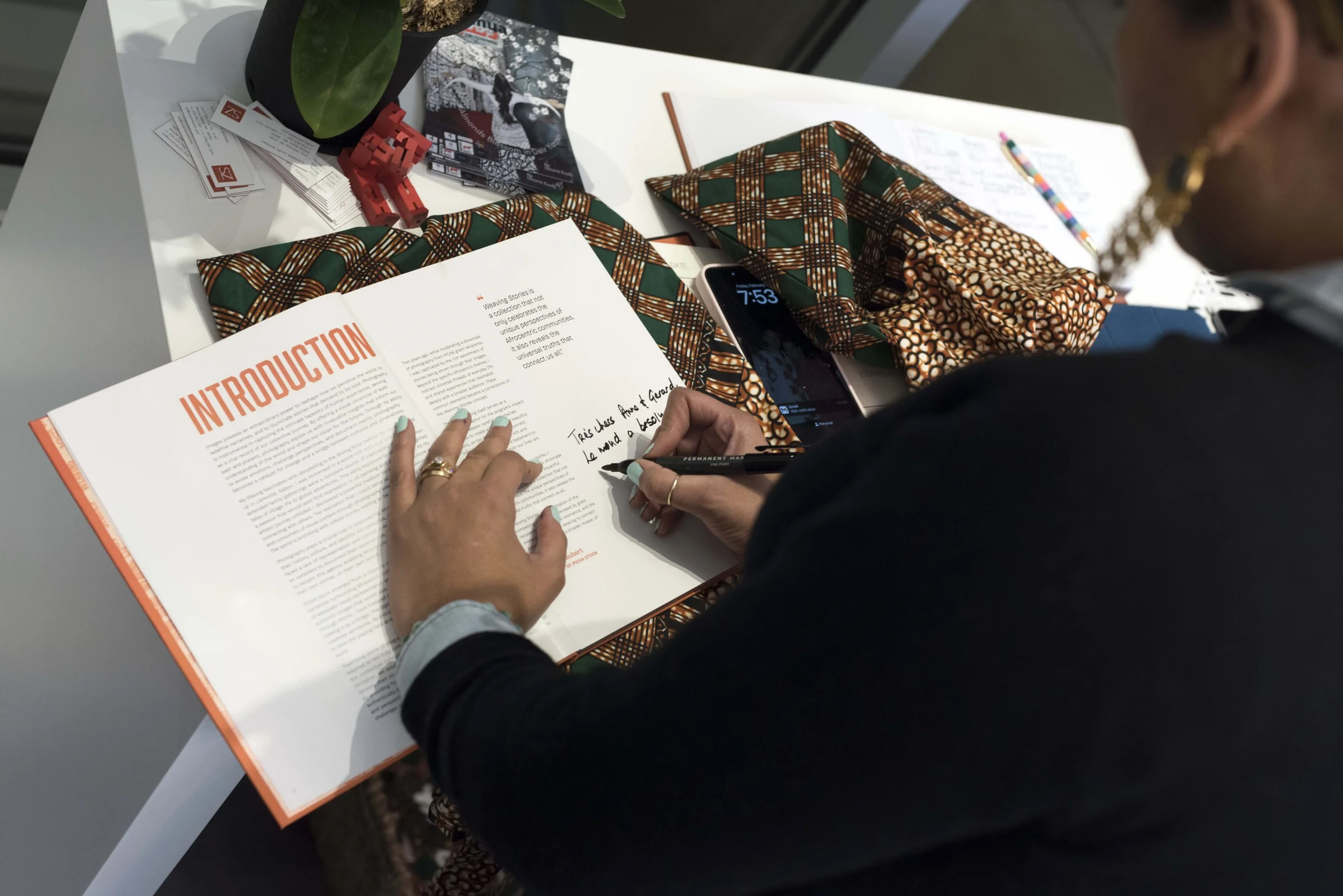
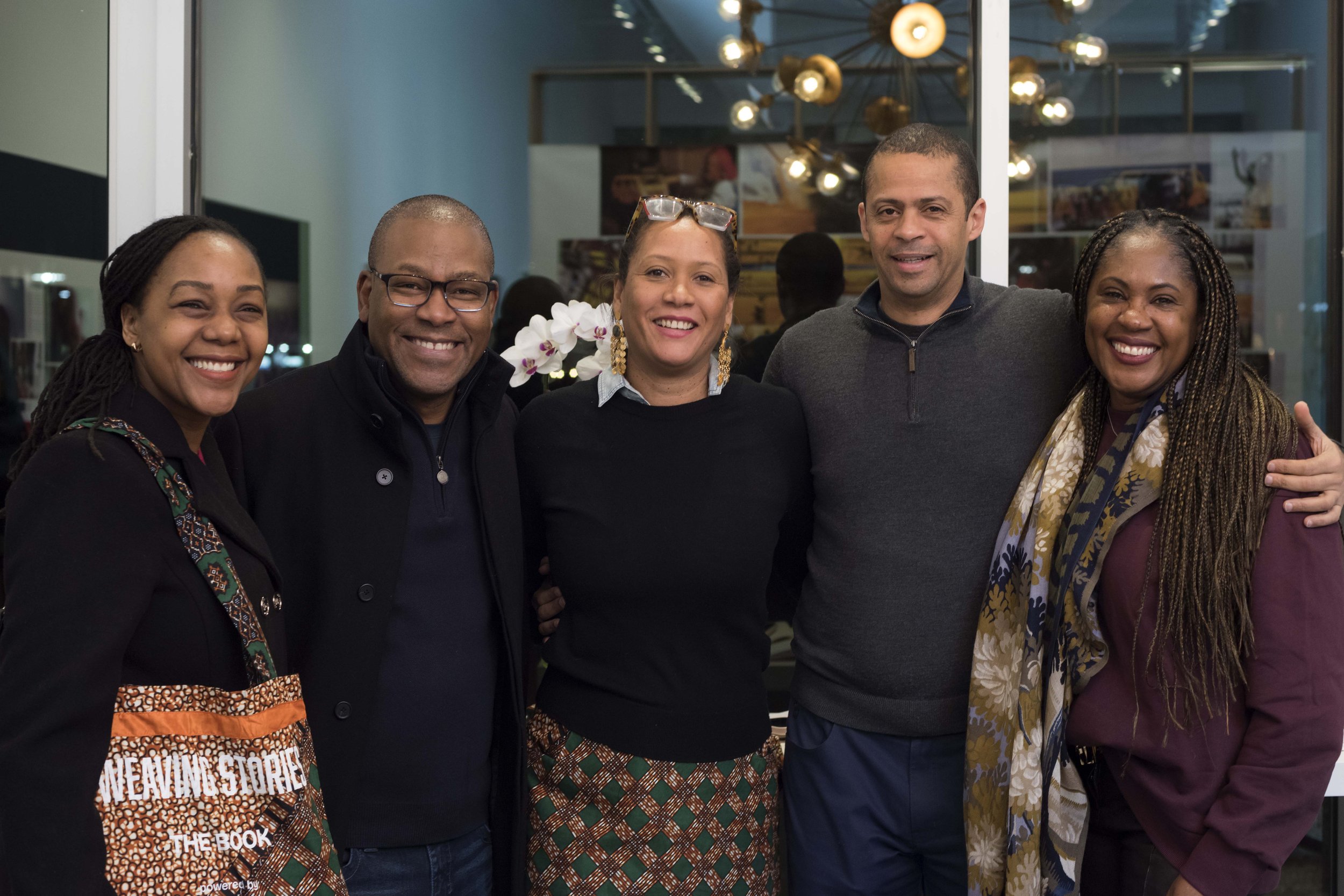
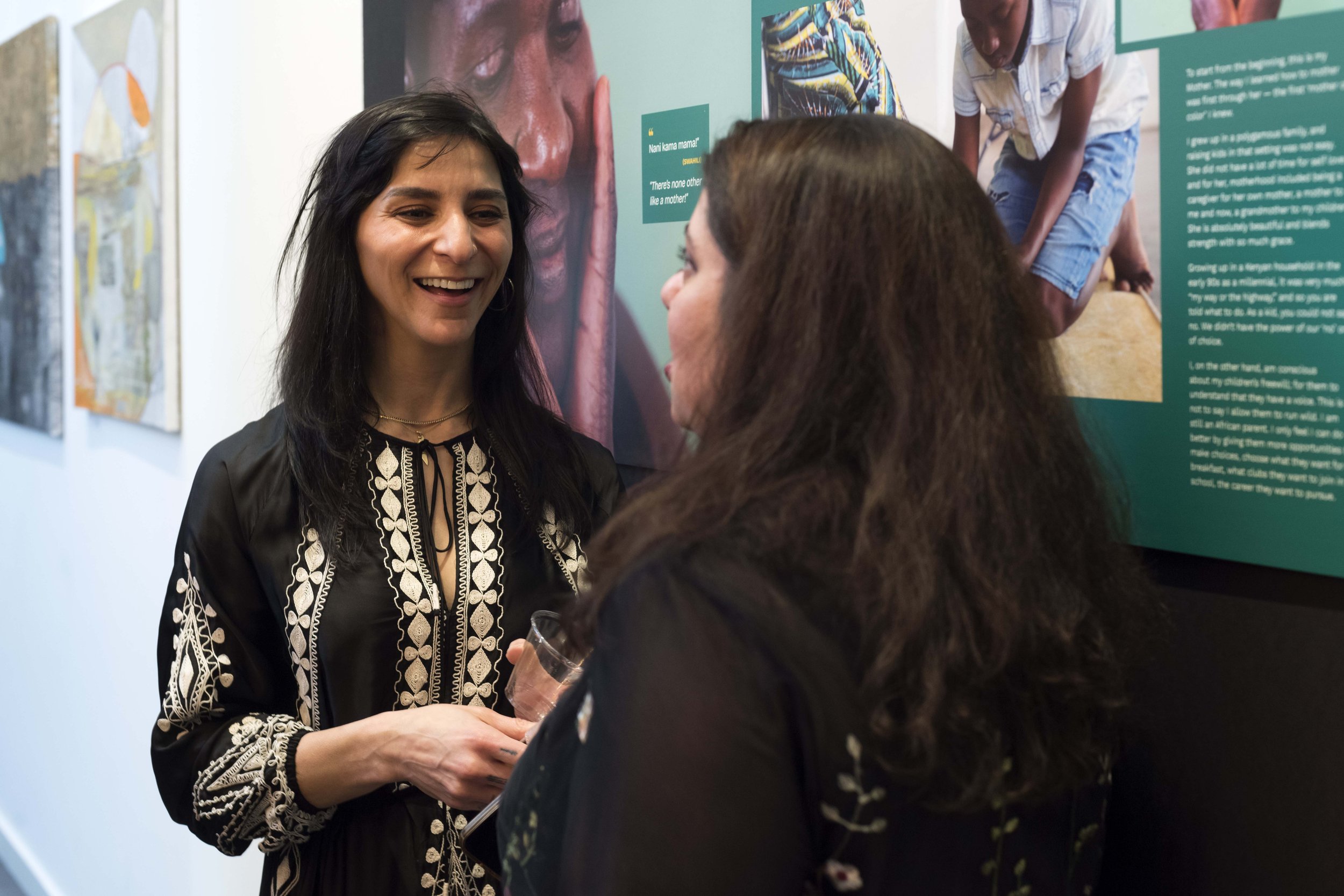
SZ Gallery proudly presents Weaving Stories by PICHA, a book exhibit celebrating the unique perspectives of Afrocentric communities, that also reveal the universal truths that connect us all.
Discover the Power of Visual Storytelling with Weaving Stories
We are excited to announce the upcoming release of Weaving Stories, a captivating new picture book that celebrates the beauty, resilience, and vibrancy of Afrocentric communities across the globe. A collaboration between photographers, creators, and the vision behind PICHA, this book offers a deeply personal and powerful exploration of the universal narratives that connect us all.
Why Weaving Stories Matters
Images possess the power to reshape how we see the world, challenge our perspectives, and tell the stories that need to be heard. Weaving Stories highlights the voices of photographers from Afrocentric communities who have long been underrepresented in mainstream visual media. Through this collection, we offer a visual chronicle of the human experience—capturing moments of joy, struggle, love, and growth that are both deeply personal and universally relatable.
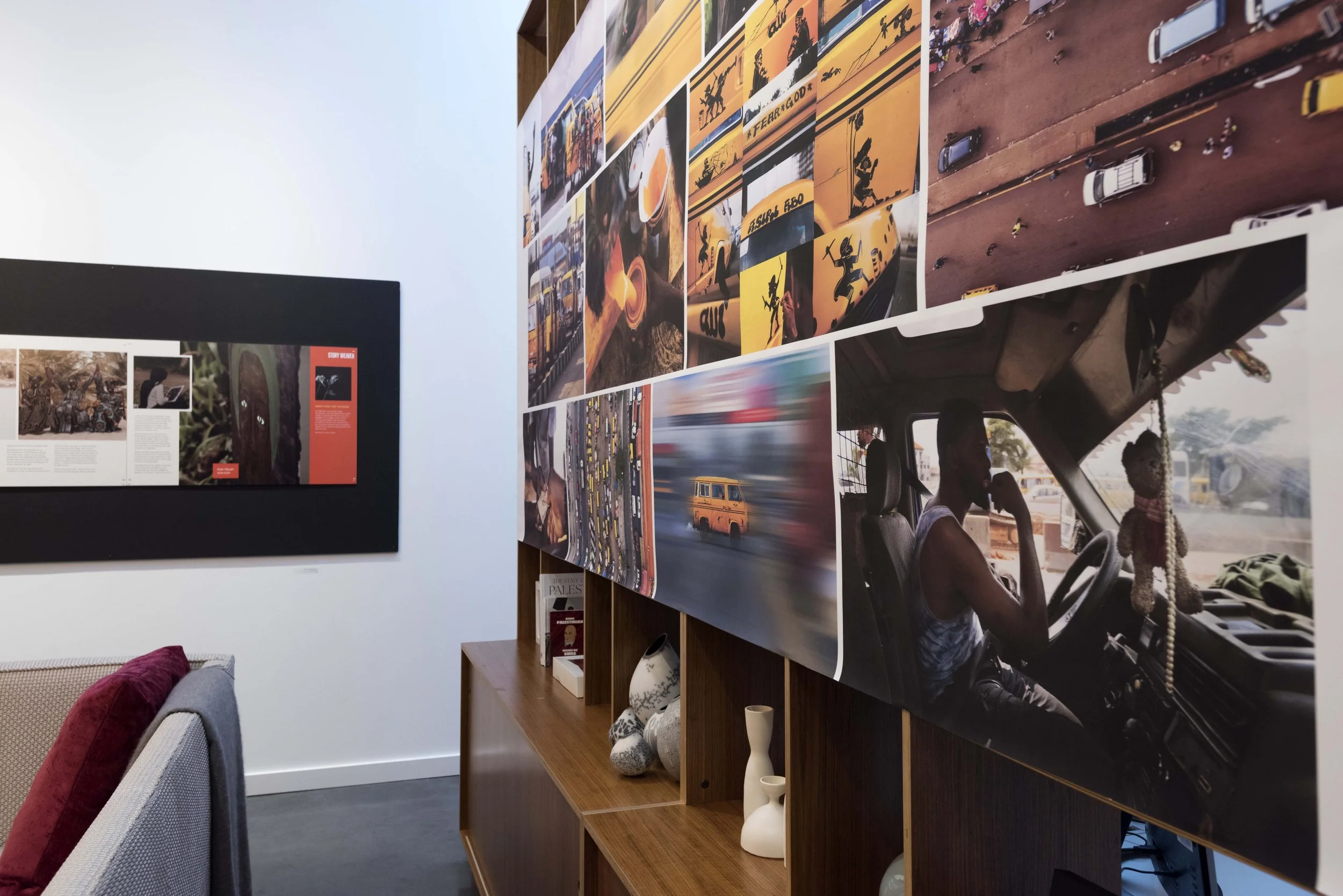
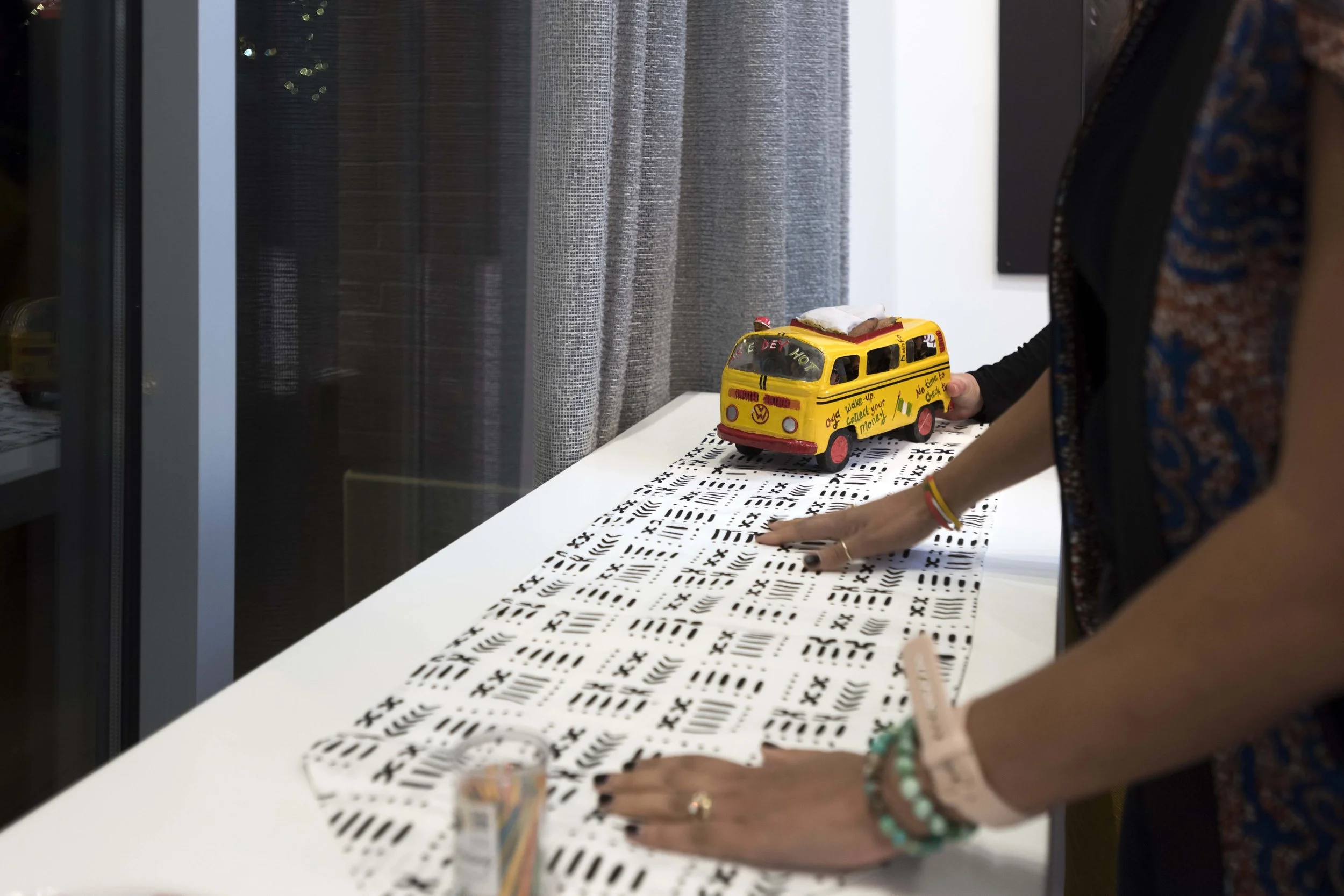
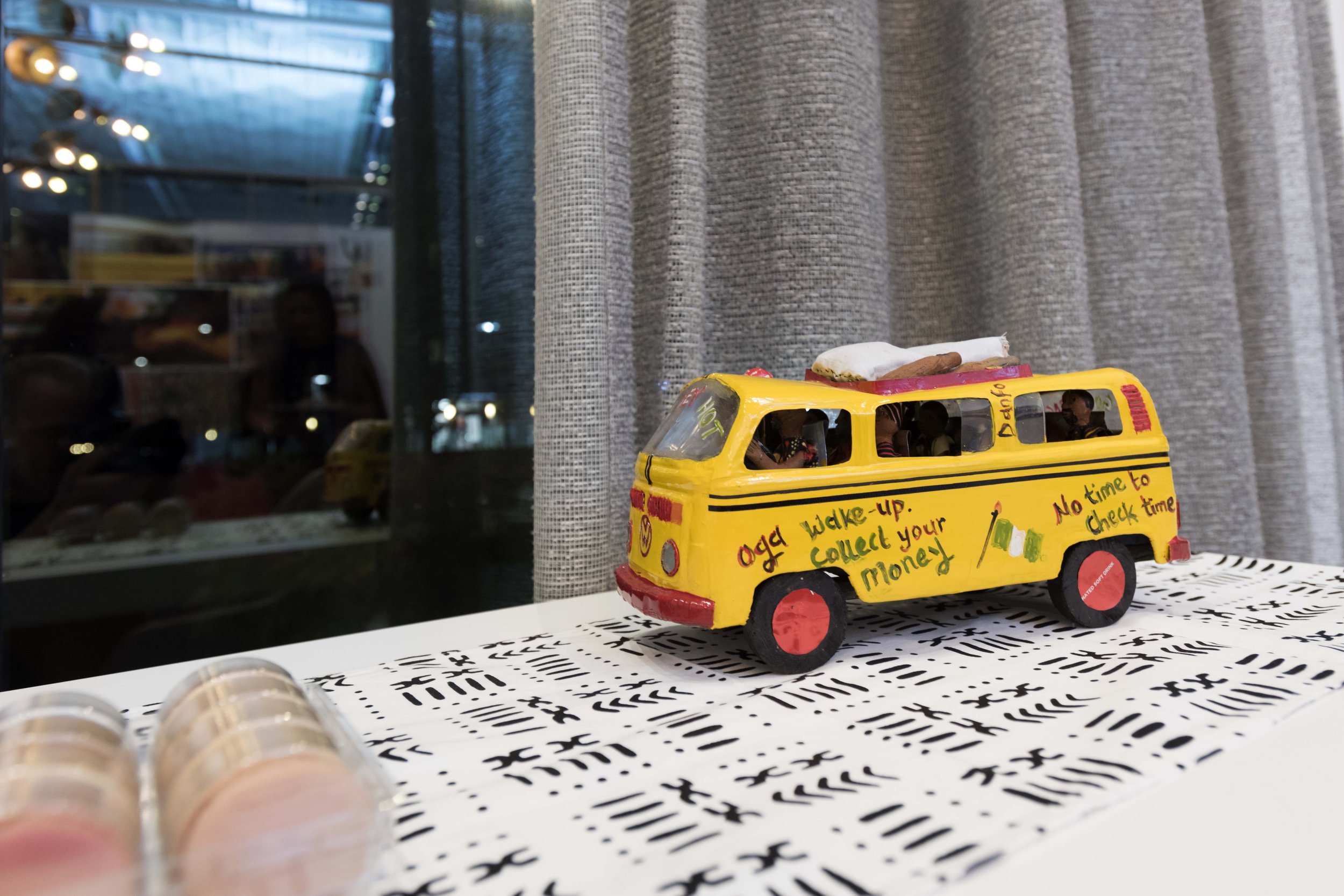
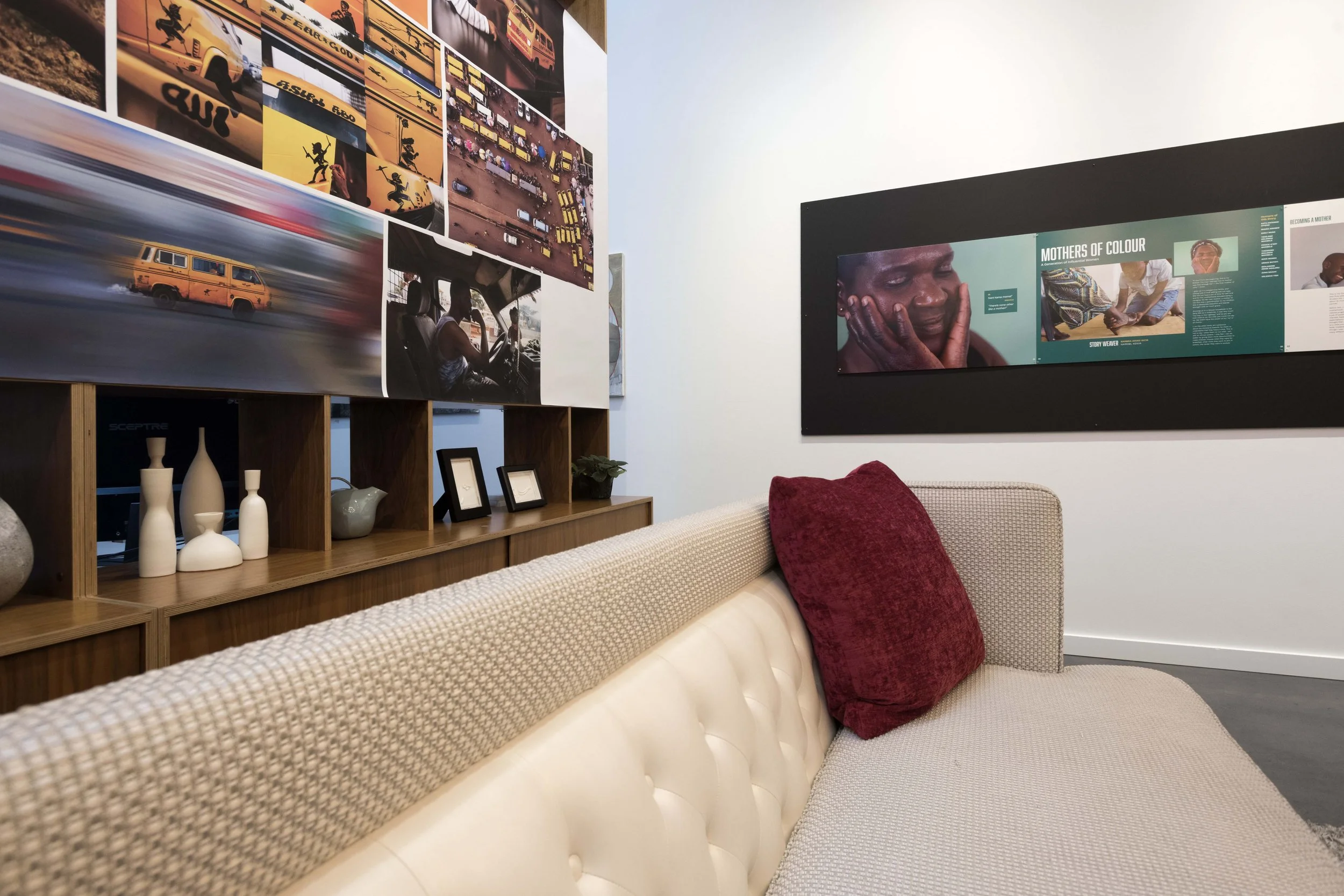
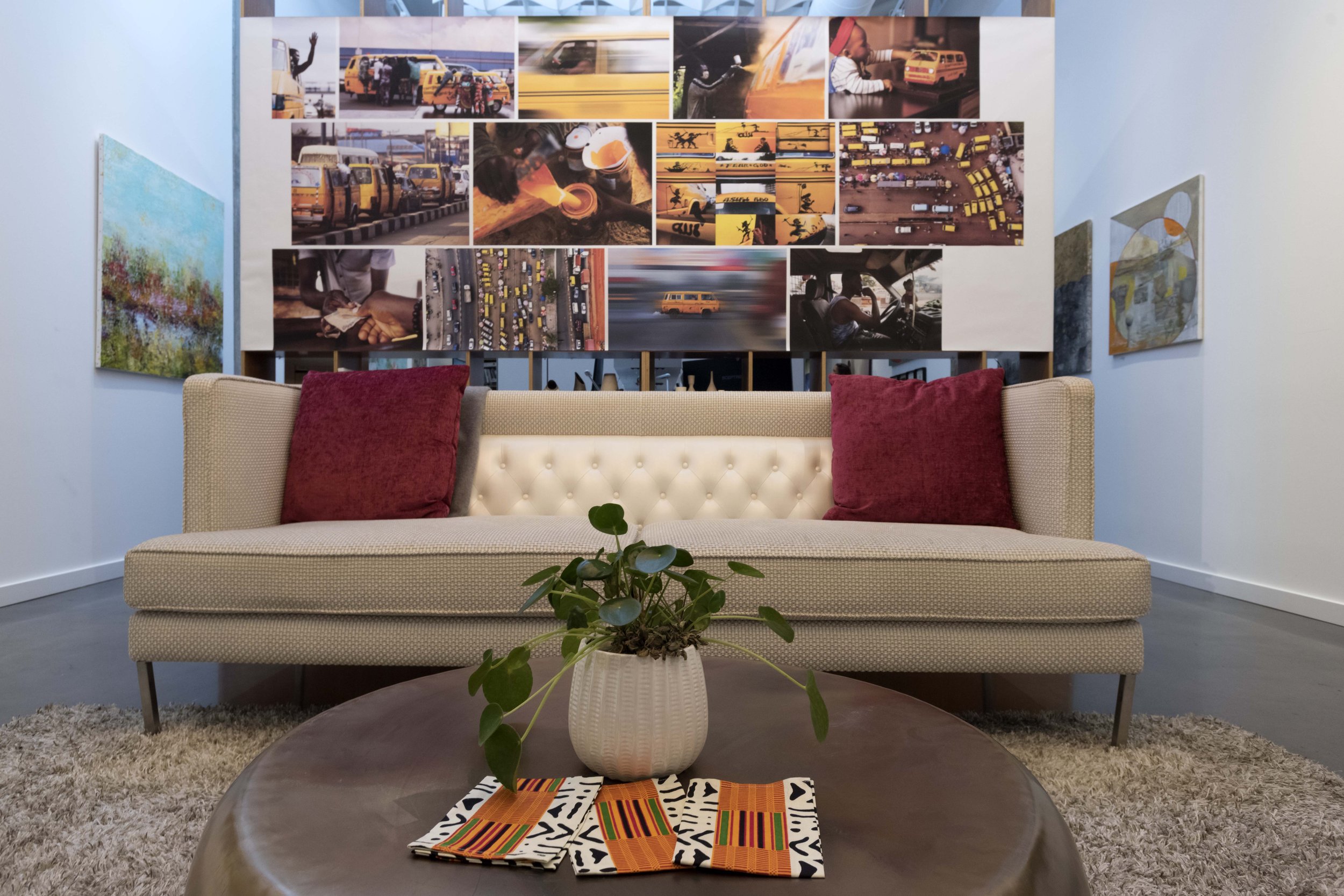
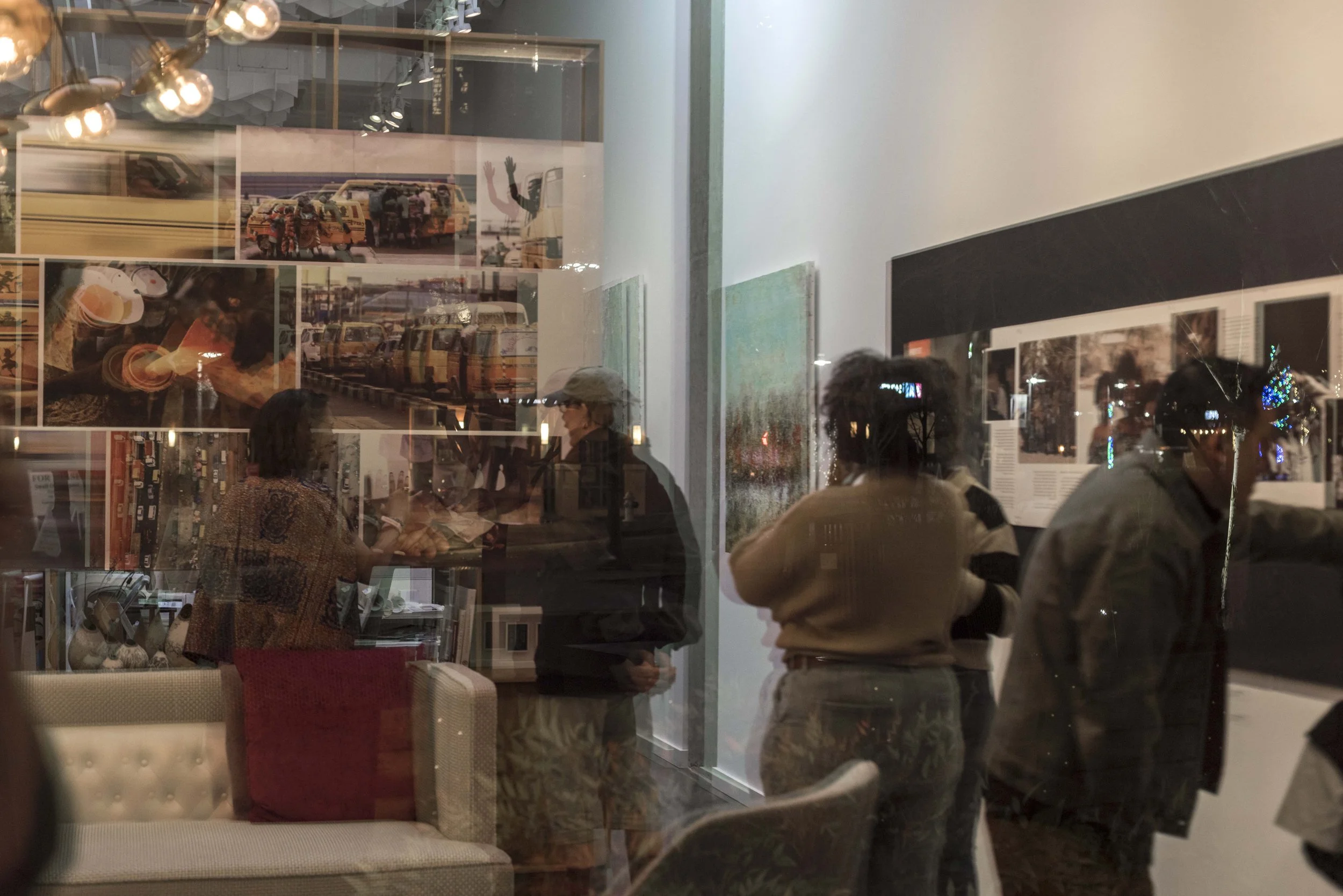
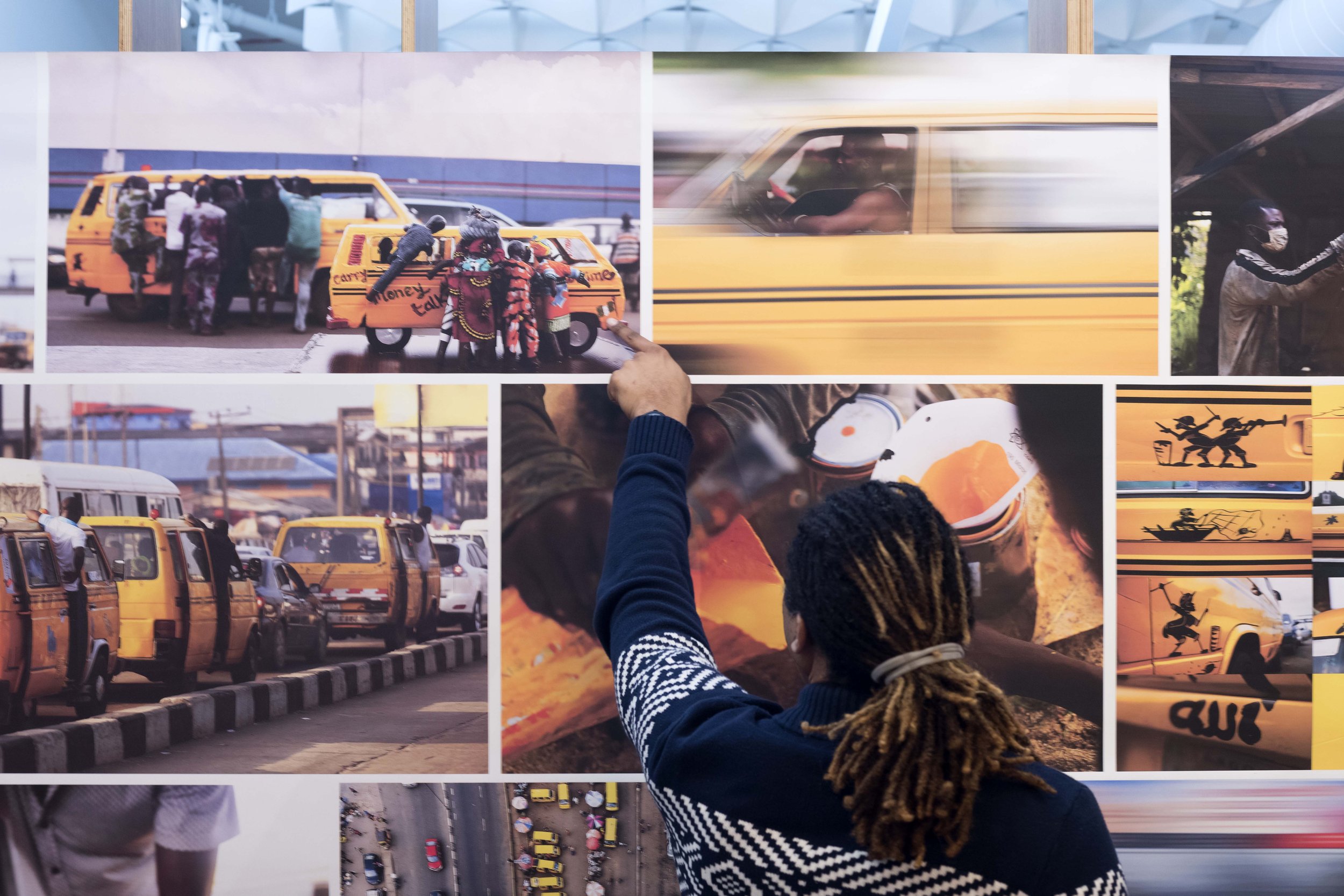
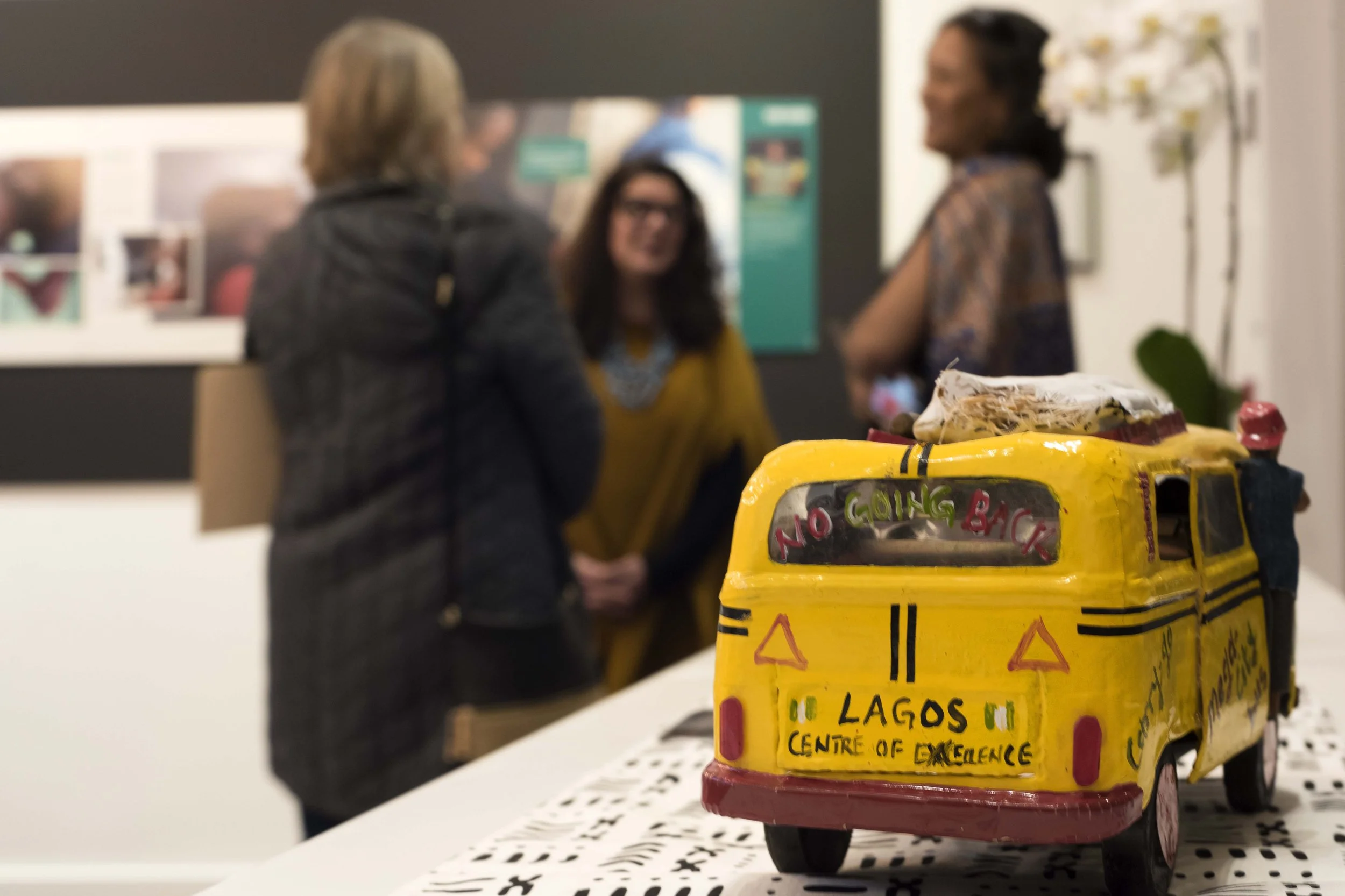
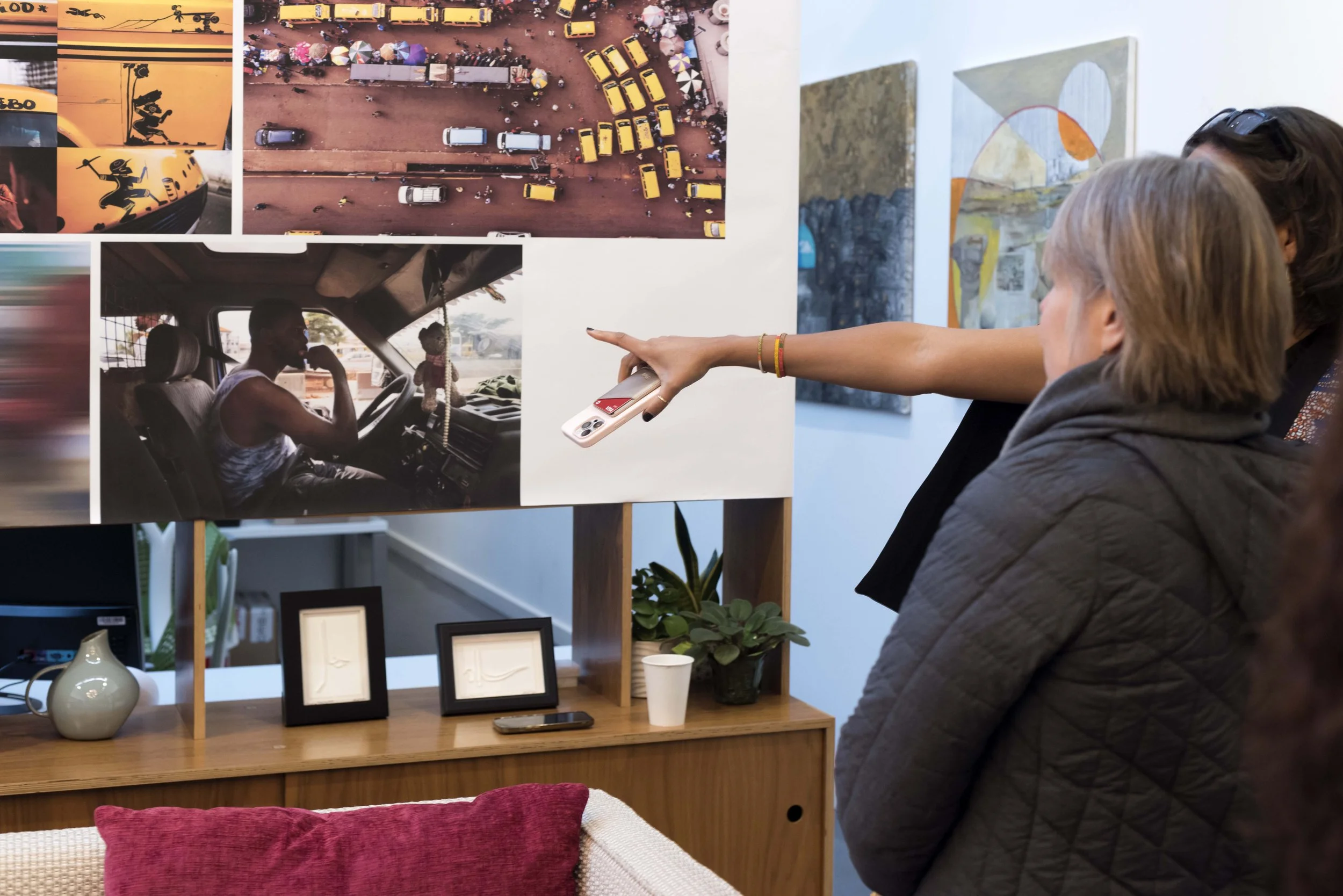
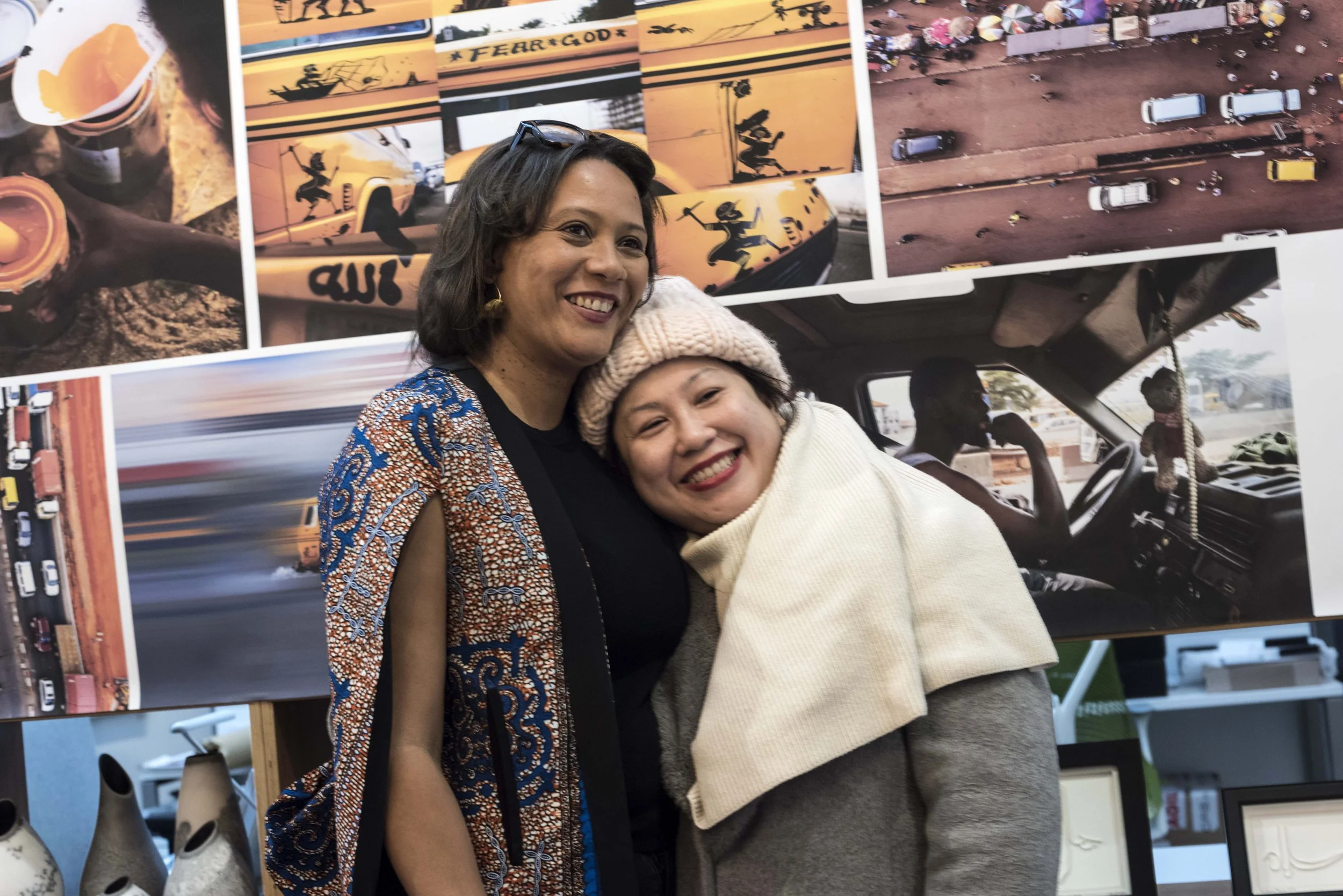
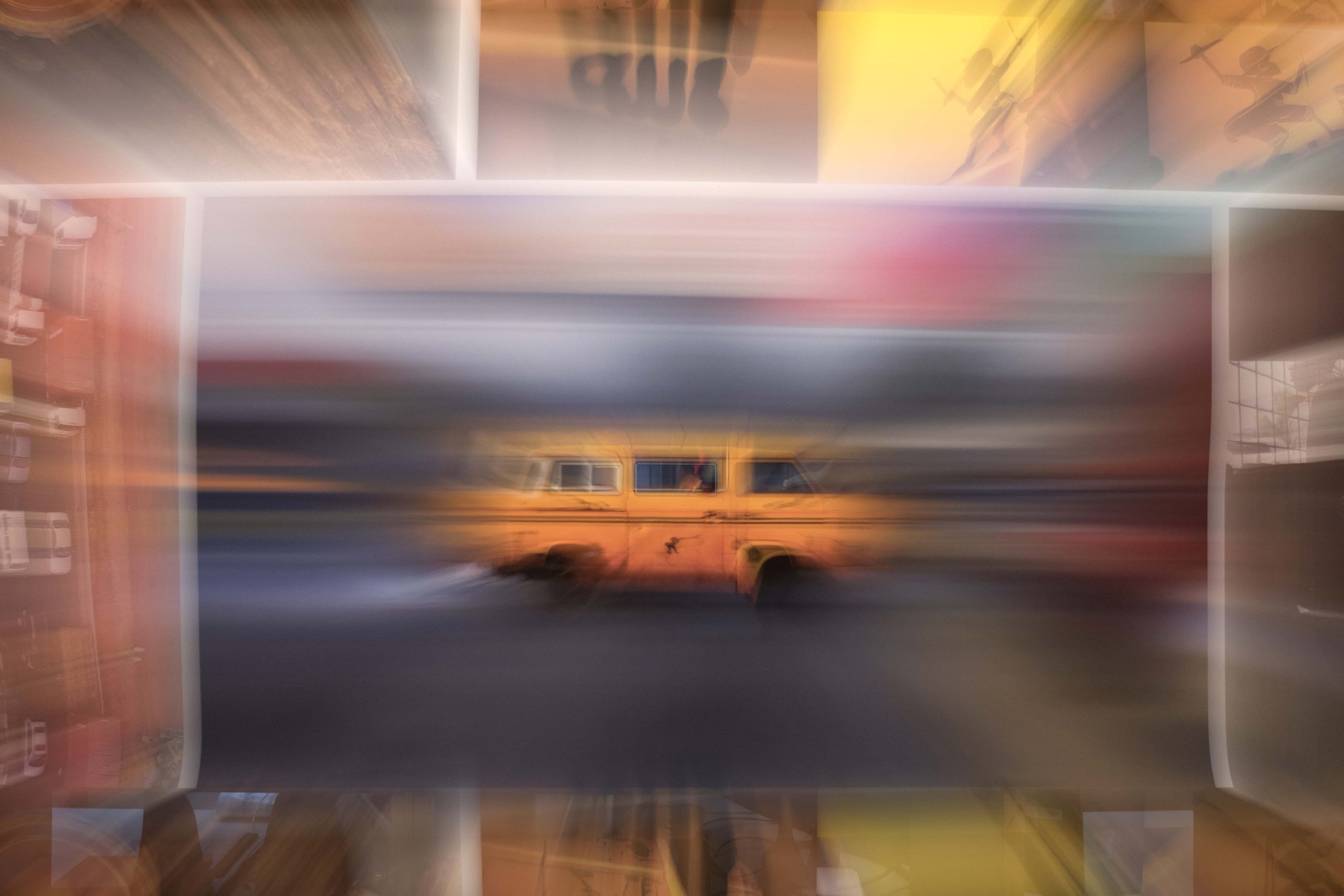
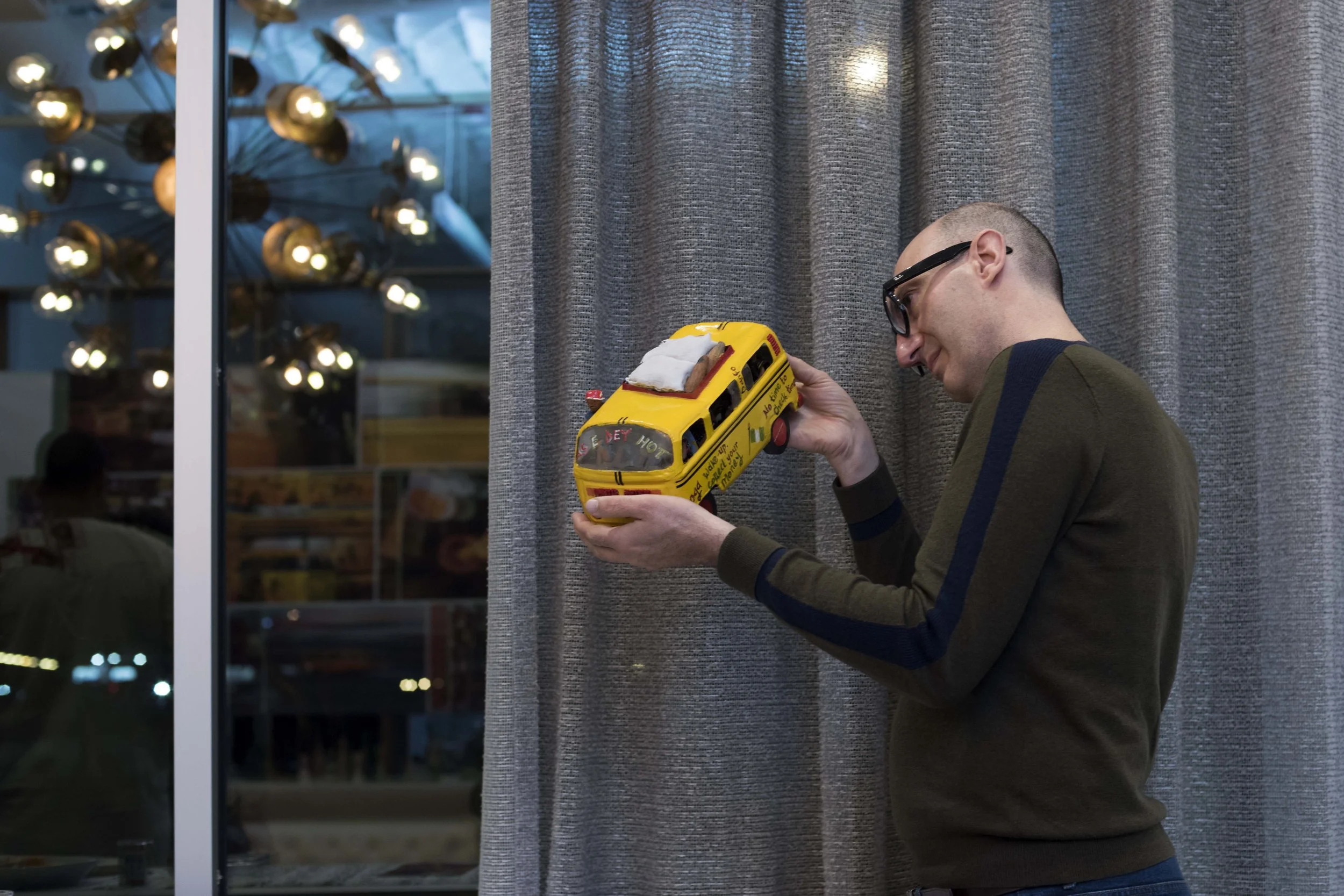
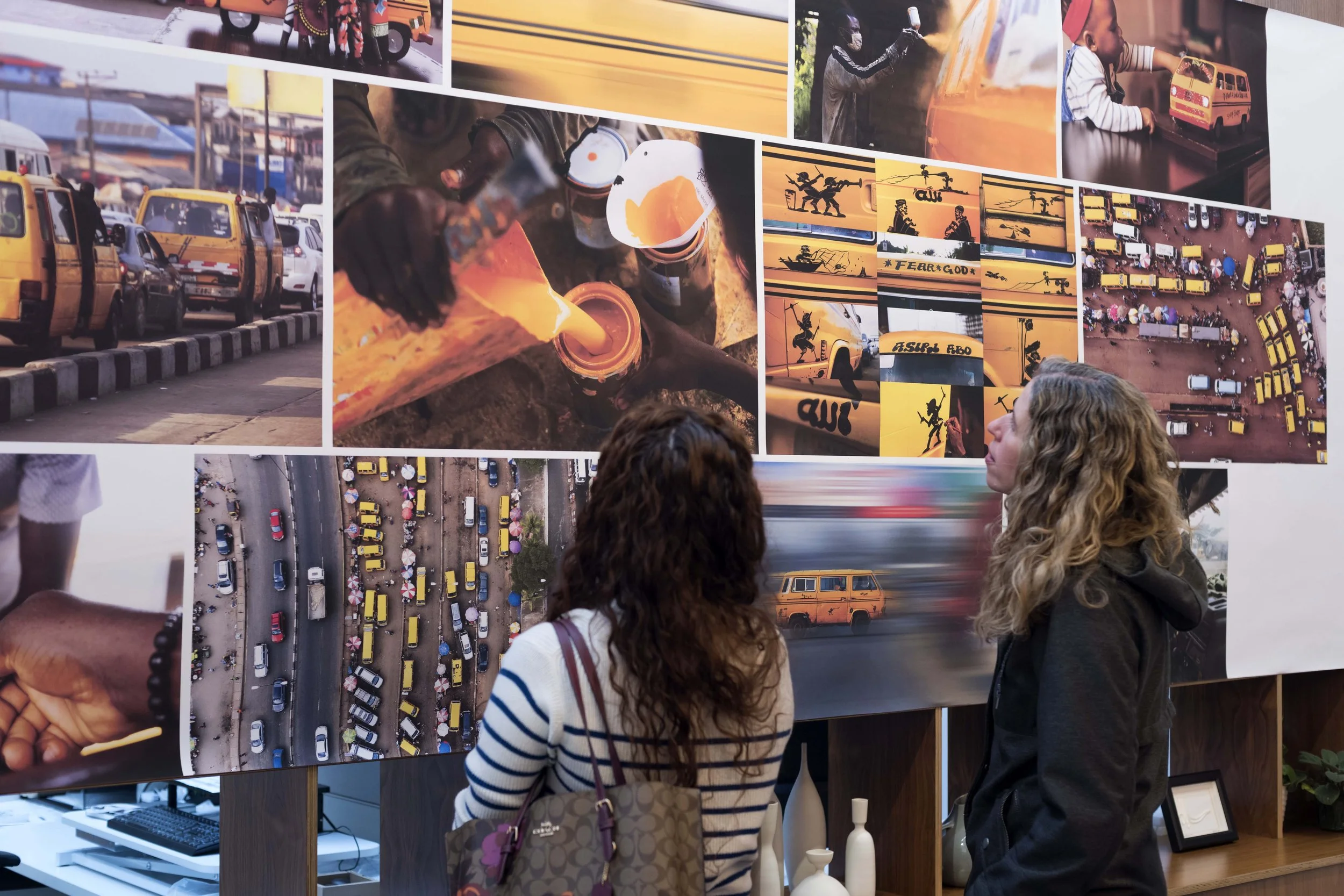
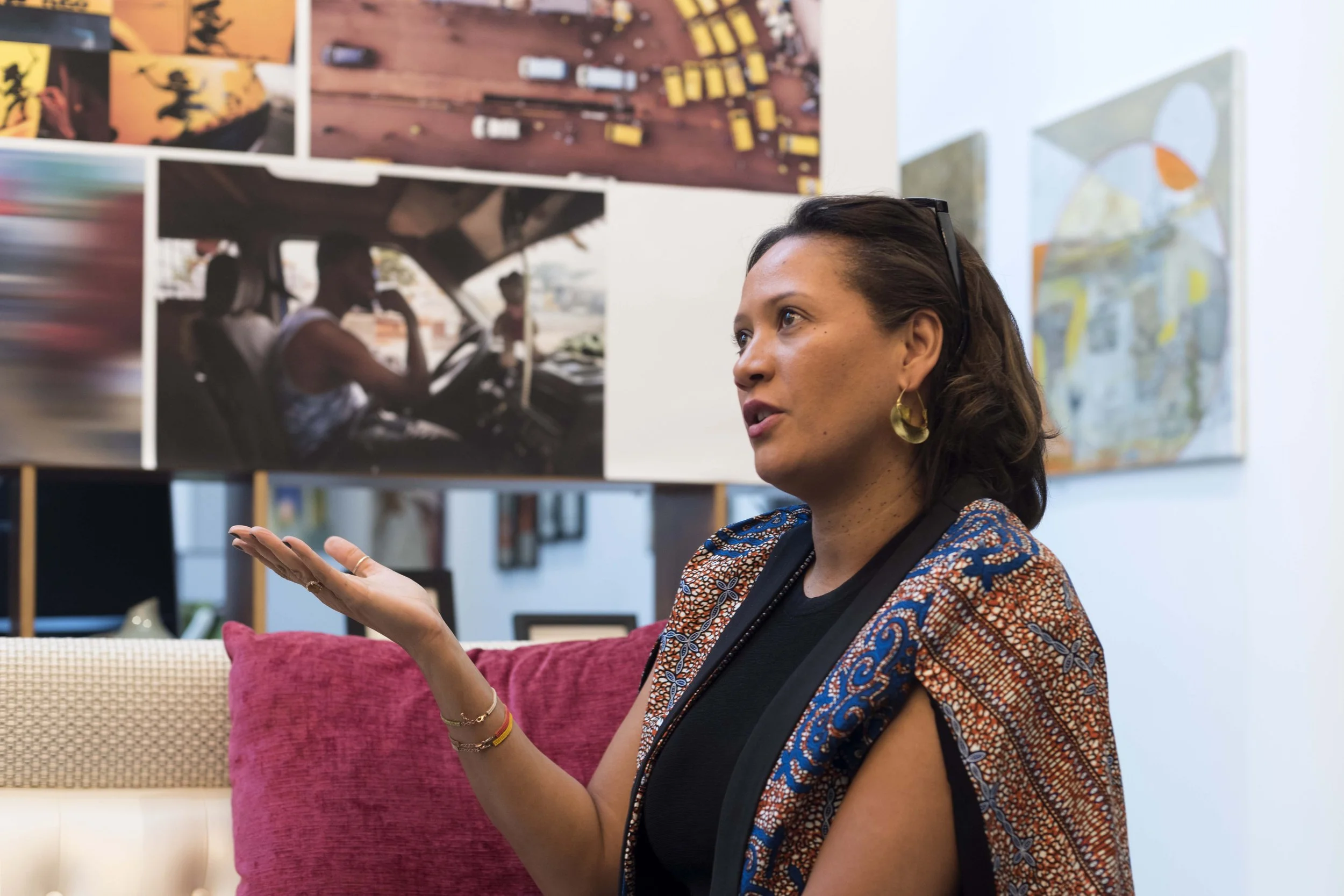
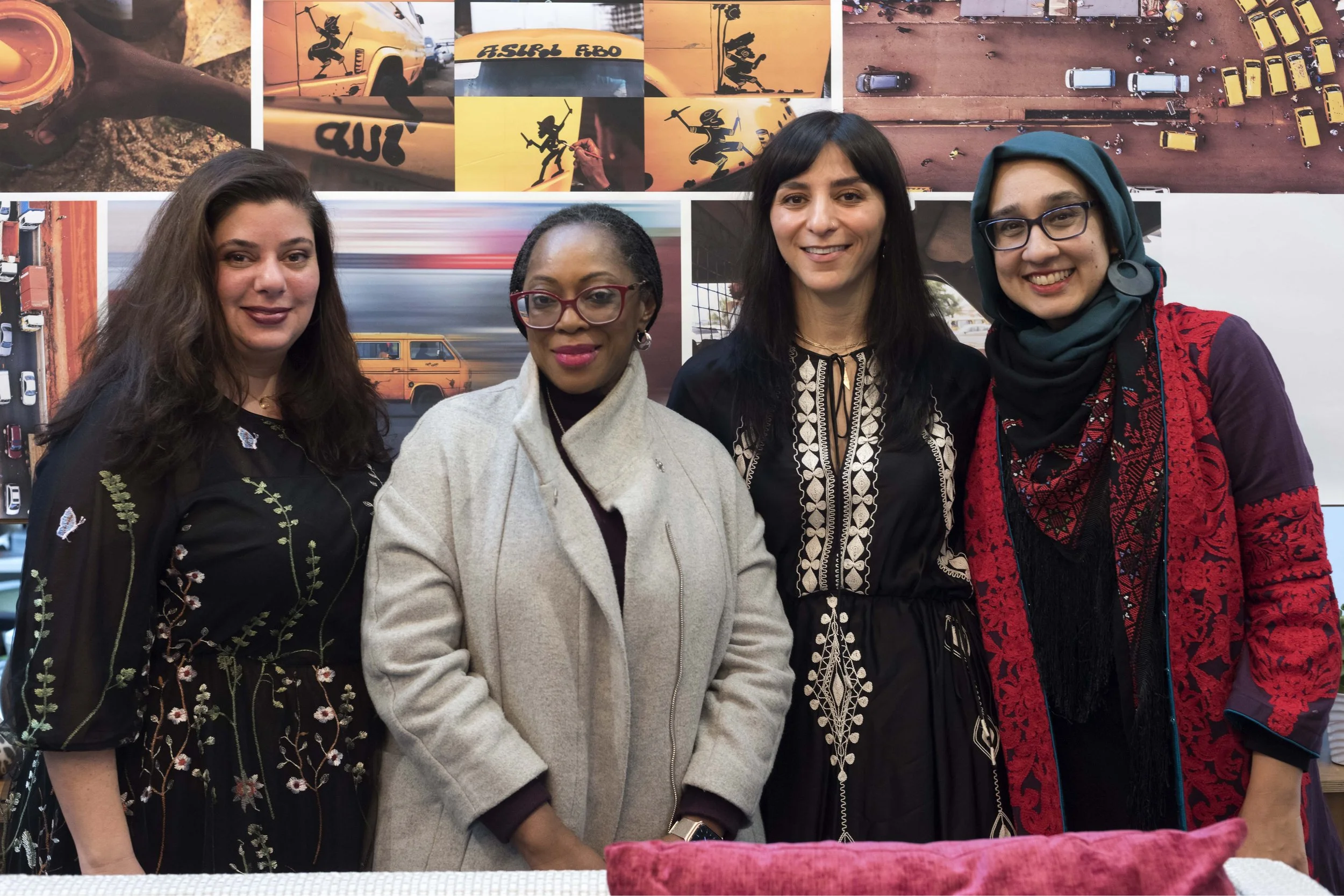
From the bustling streets of Lagos to the quiet wisdom passed between mothers and daughters, Weaving Stories brings you face-to-face with the everyday lives of people whose stories have often been overlooked. Whether it’s the culinary traditions of Bahia, the spirit of community in rural villages, or the vibrant, fast-paced life of a taxi driver in Lagos, these images remind us that there’s beauty in every corner of the world.







SKIN Exhibition. 2020
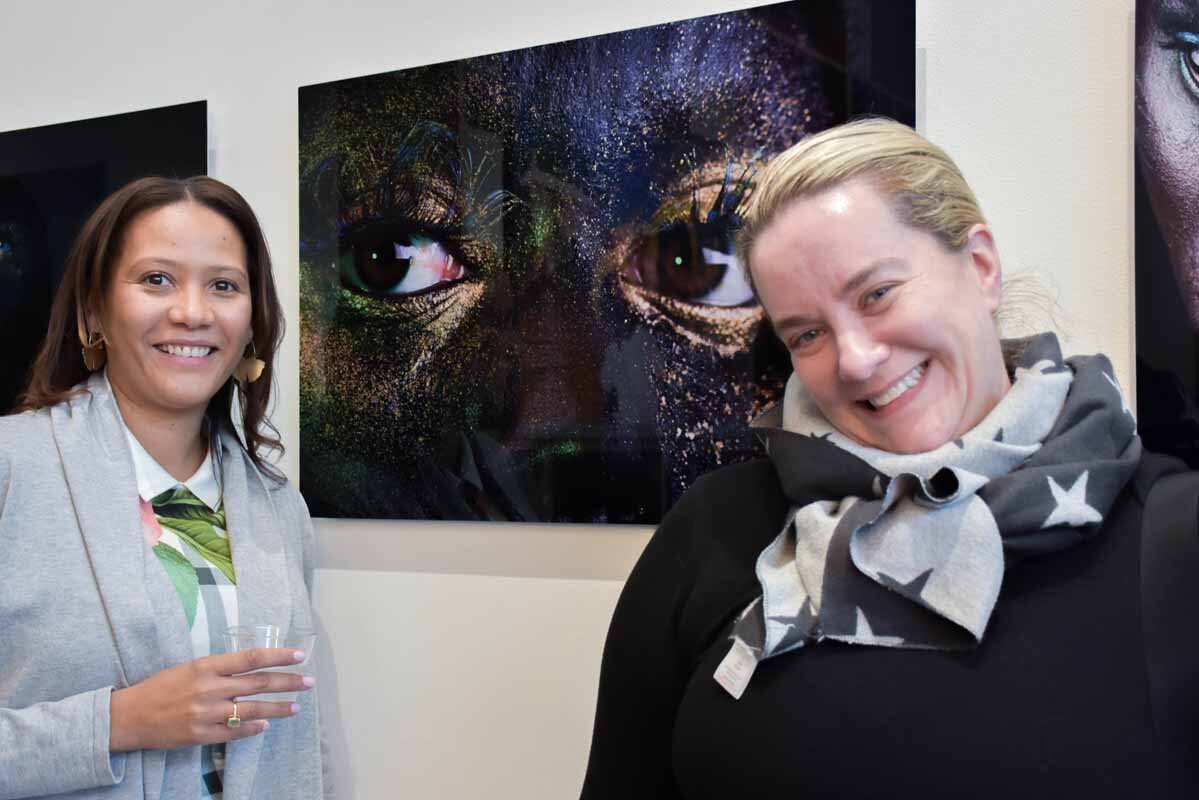
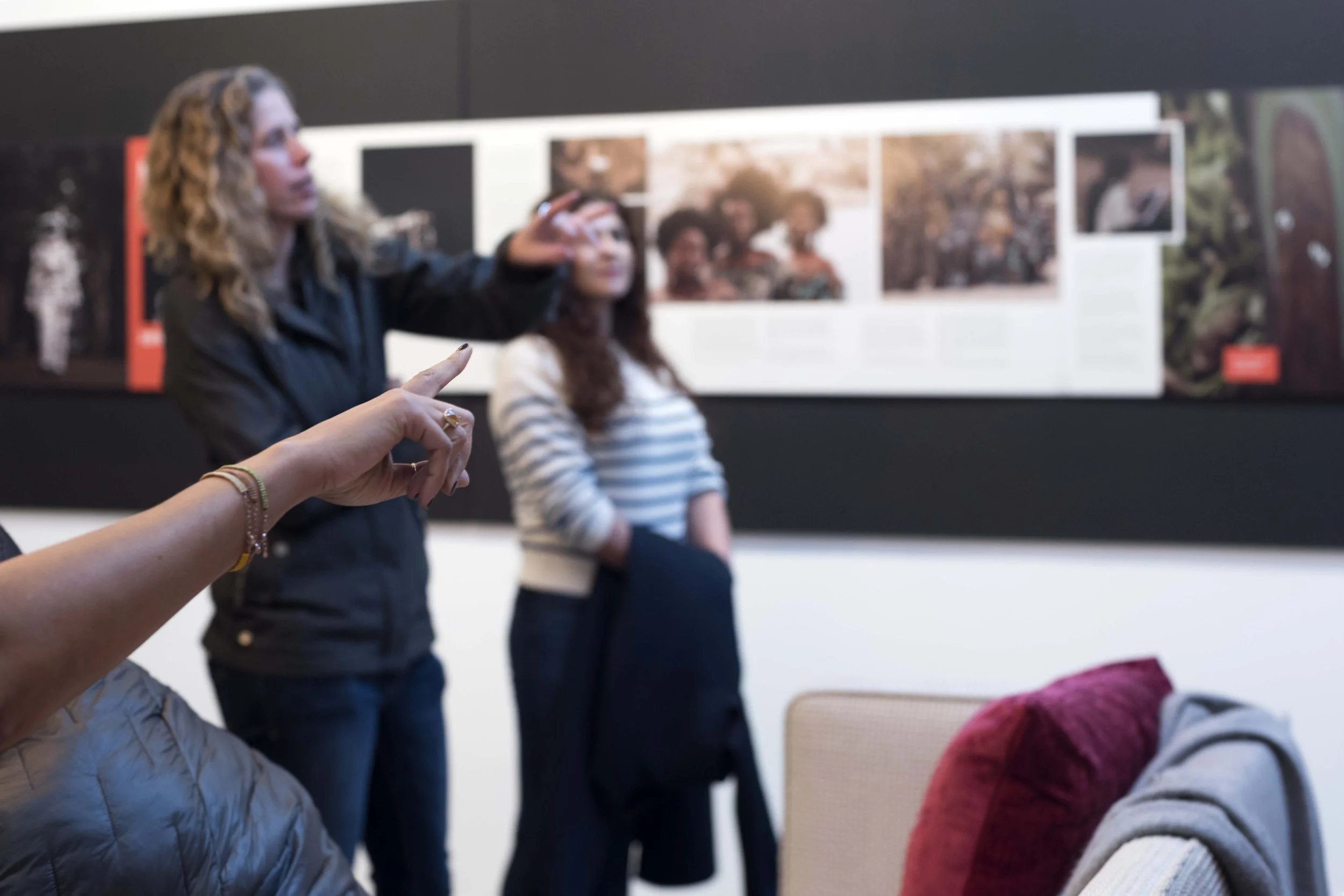
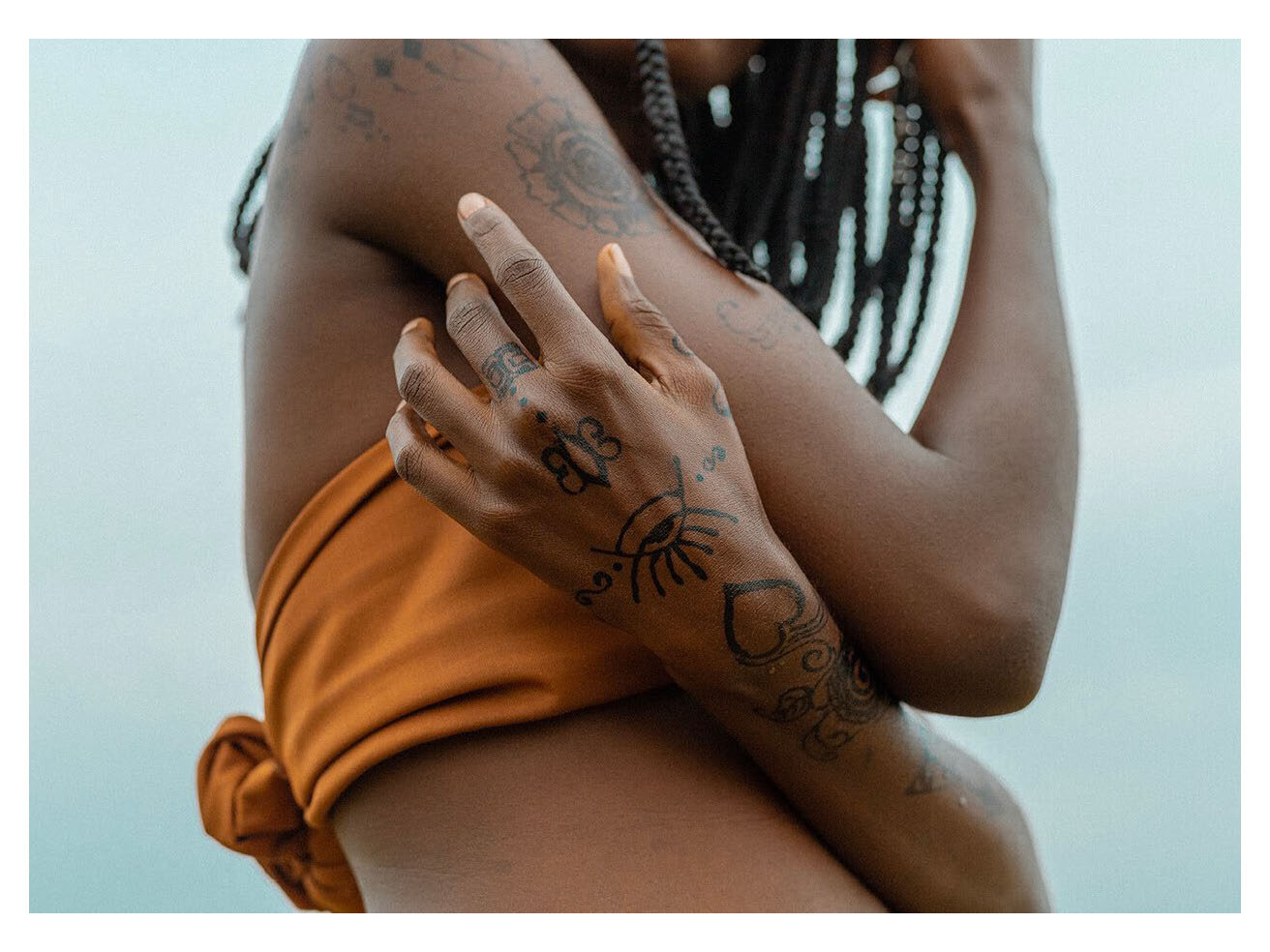
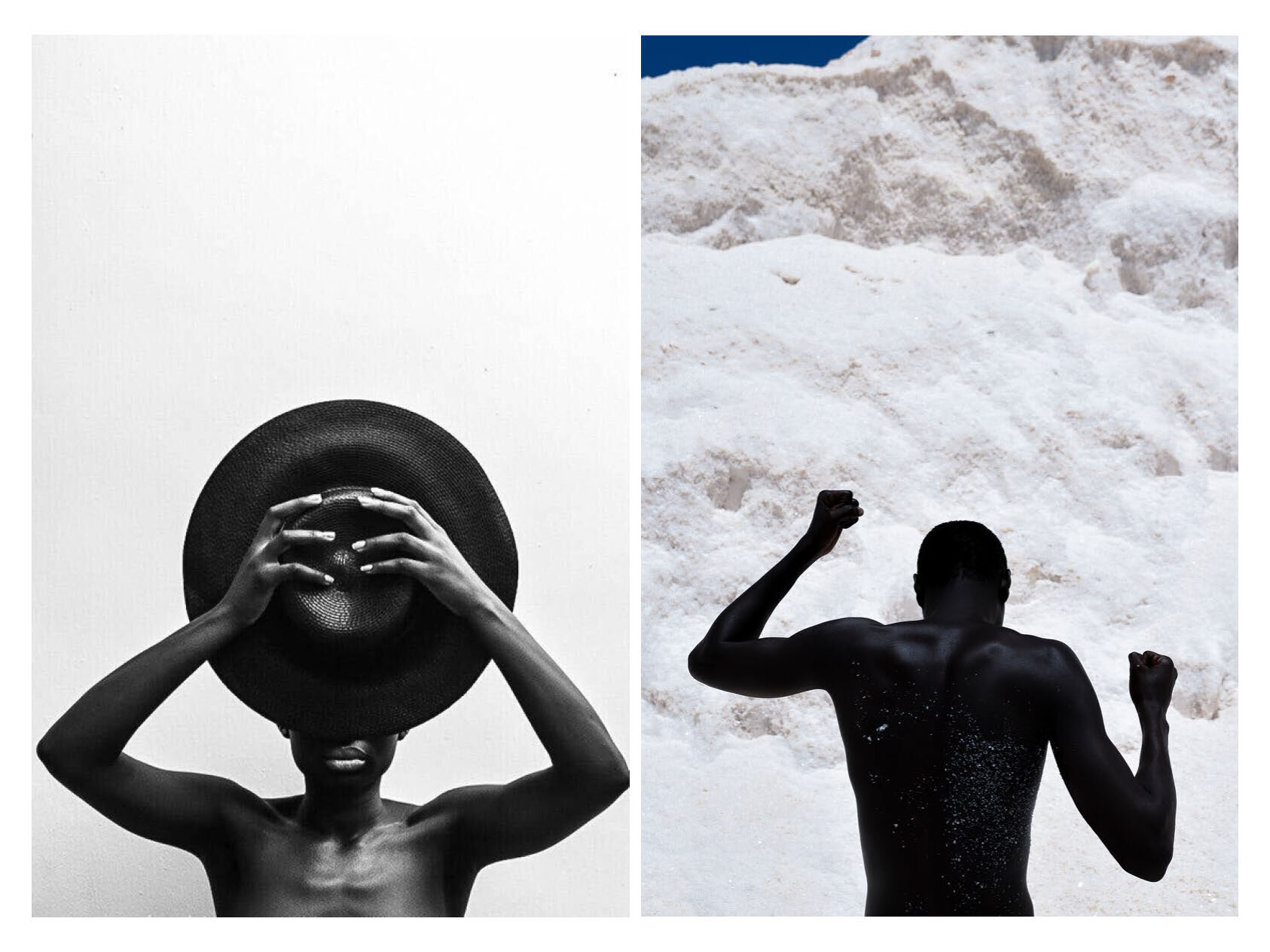
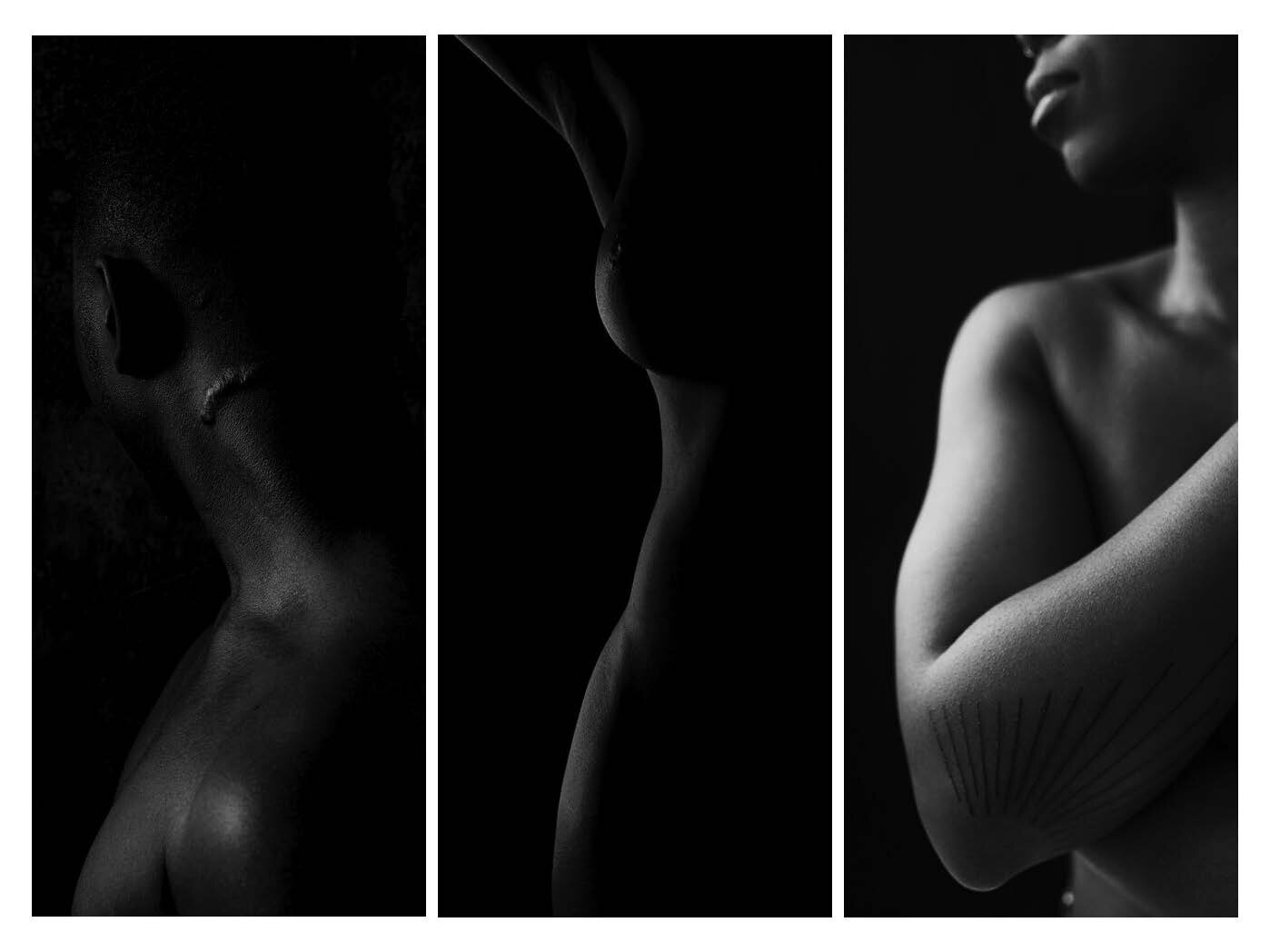
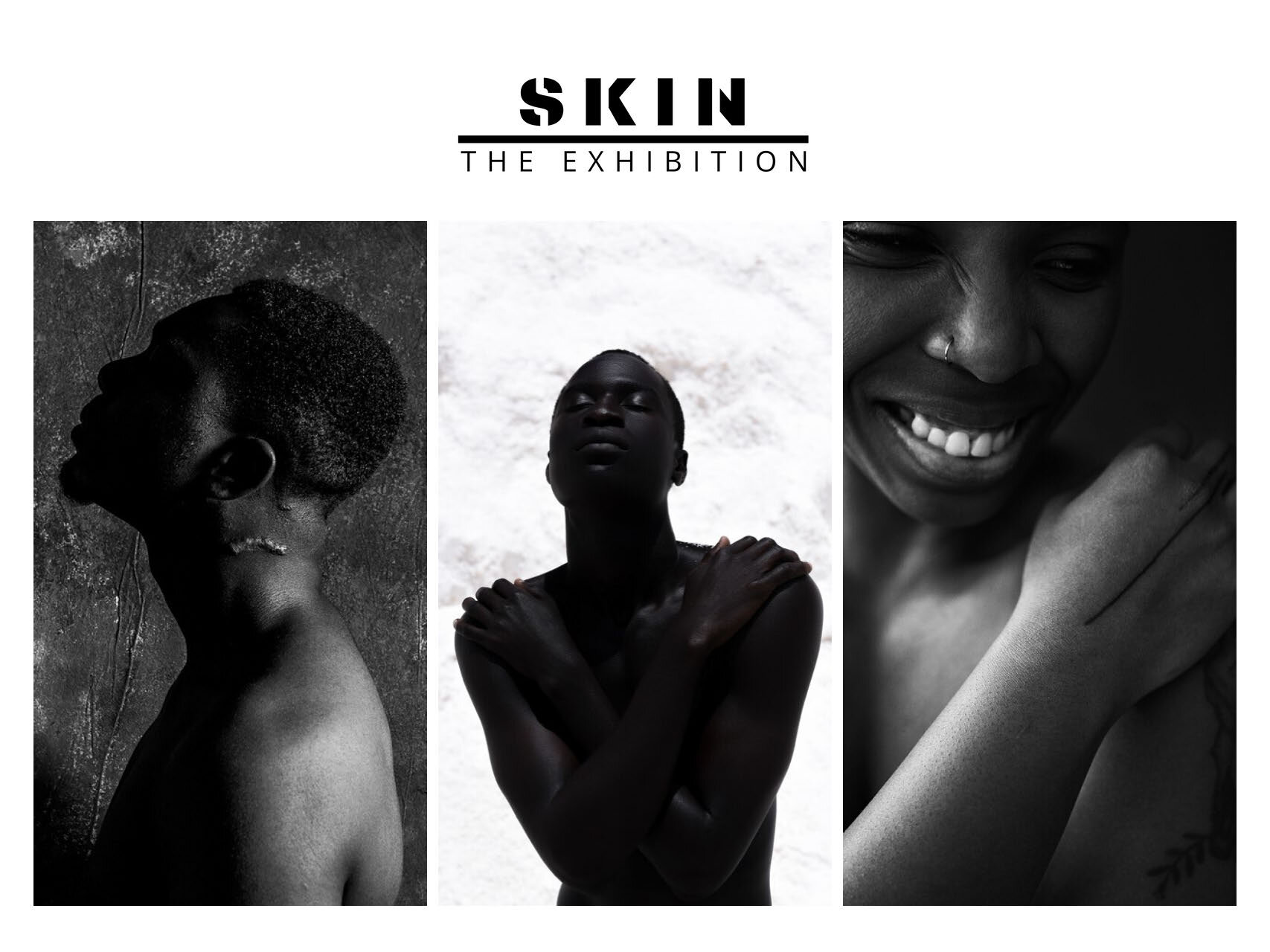
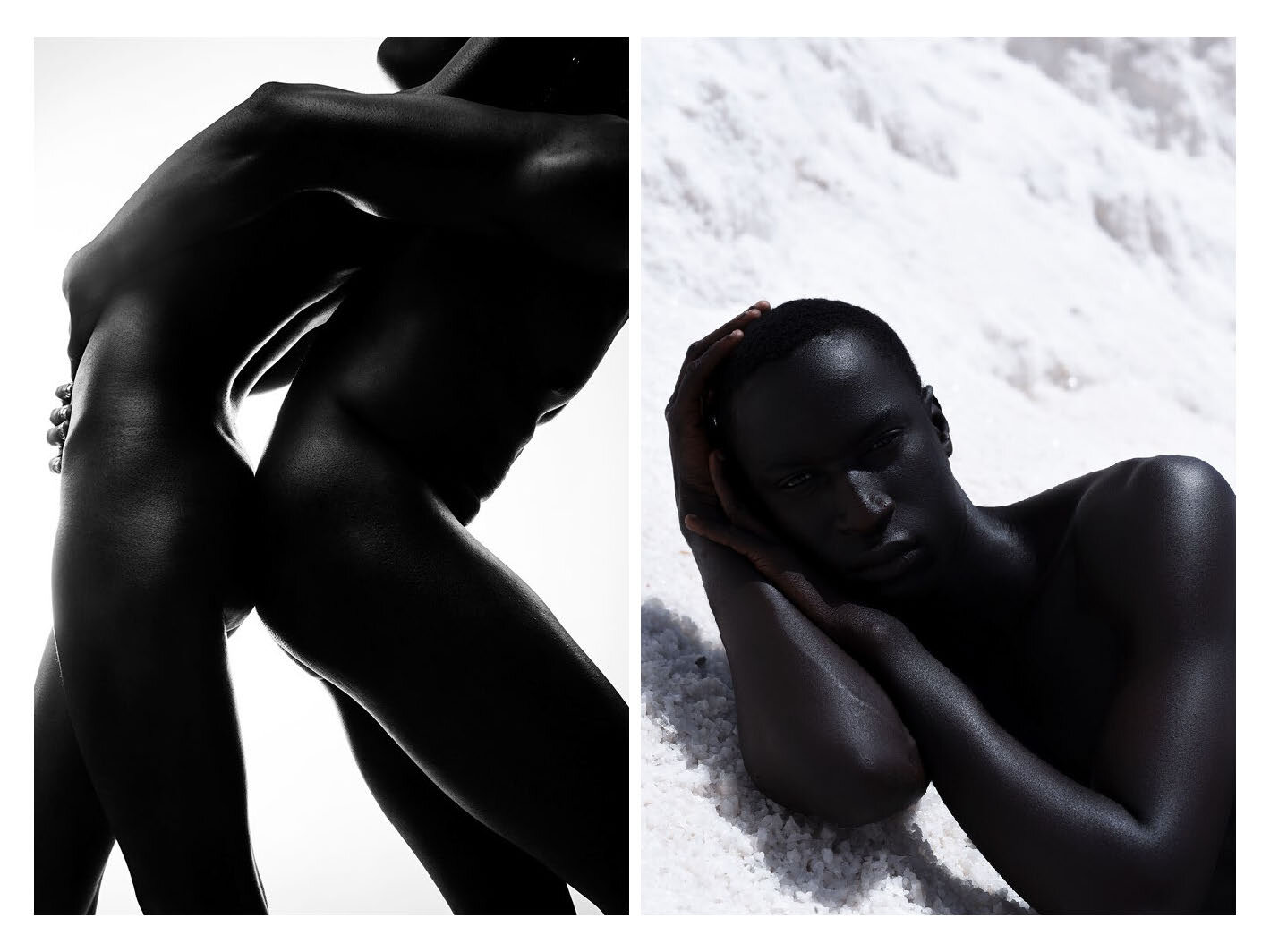
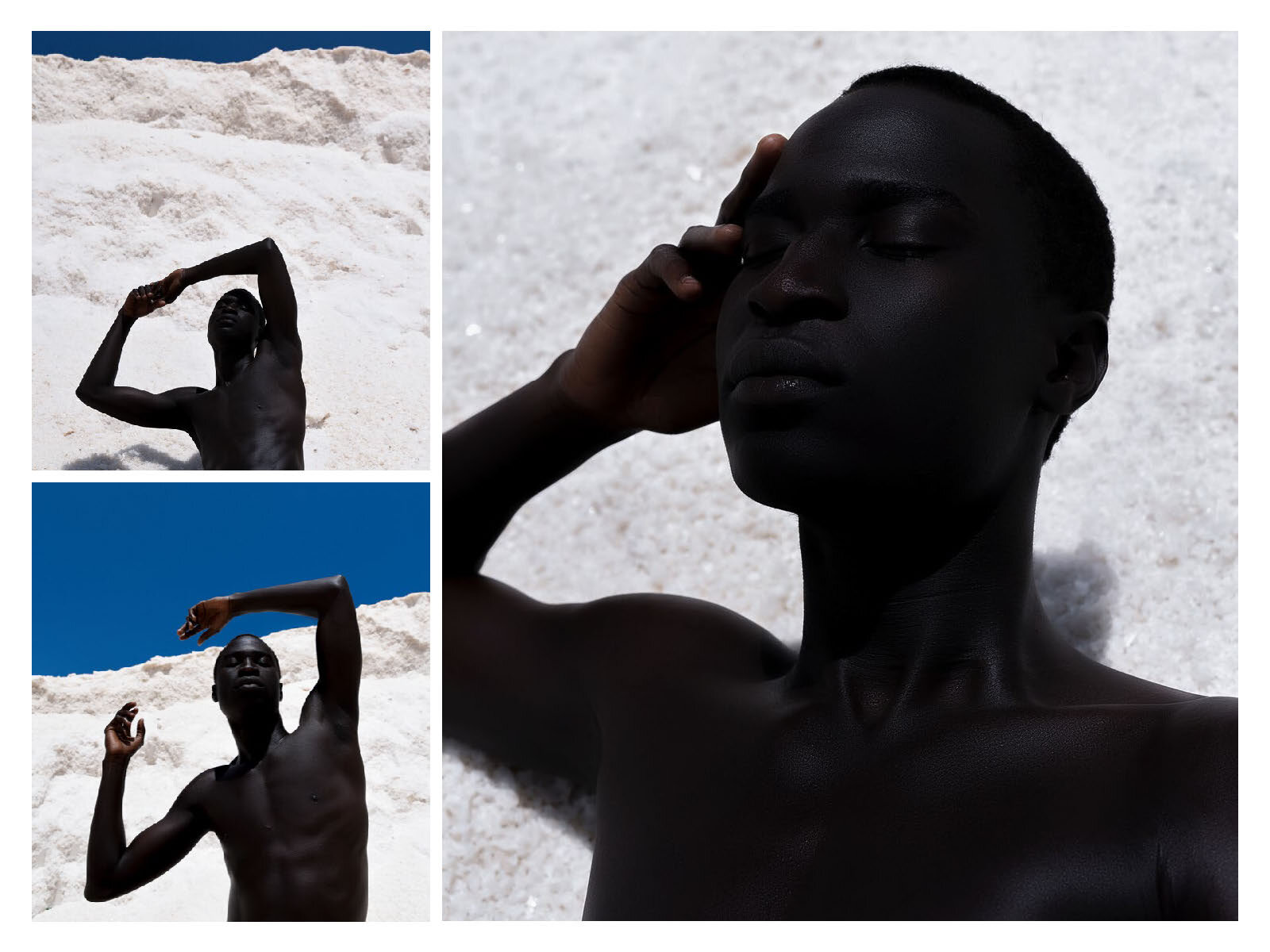
SZ Gallery featured a display of talented photographers selected during PICHA’s annual call to artists. 2020’s topical theme was SKIN. Apart from the roles we play in our communities and the traditions we've inherited from the past, what does it mean to be an African today? Who are we once we are stripped of the expectations, the prejudices, and the assumptions? What makes us African?

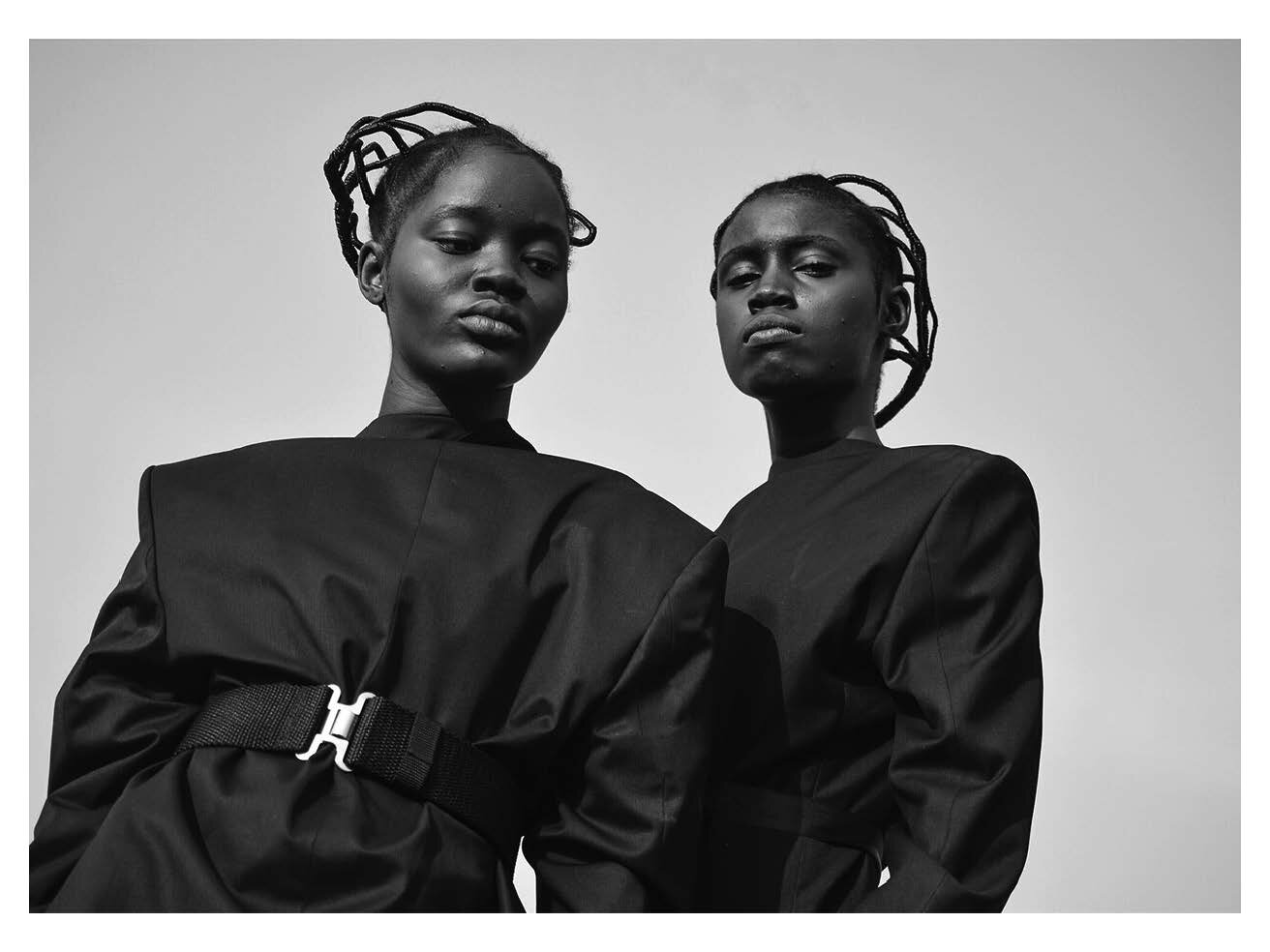
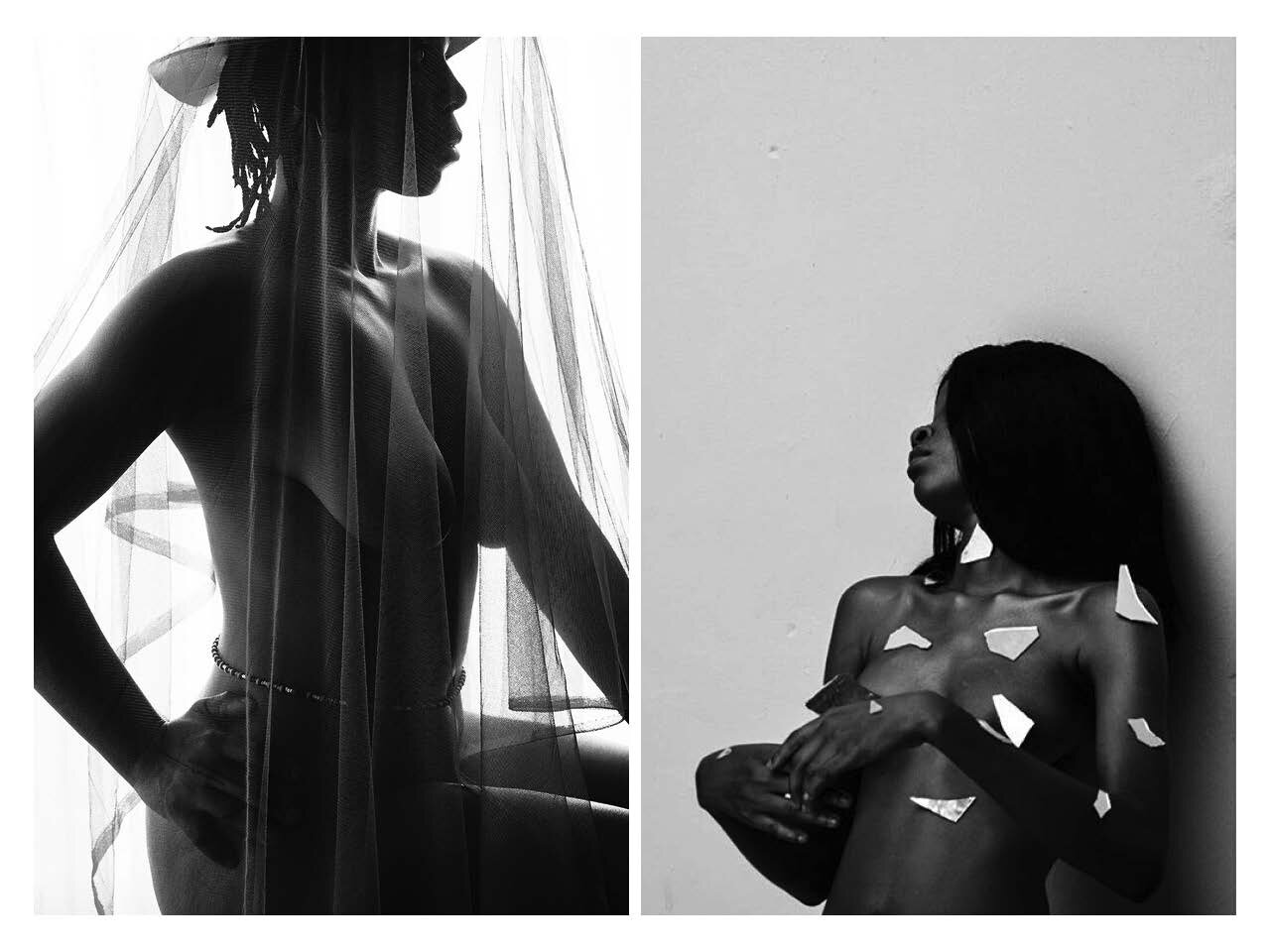
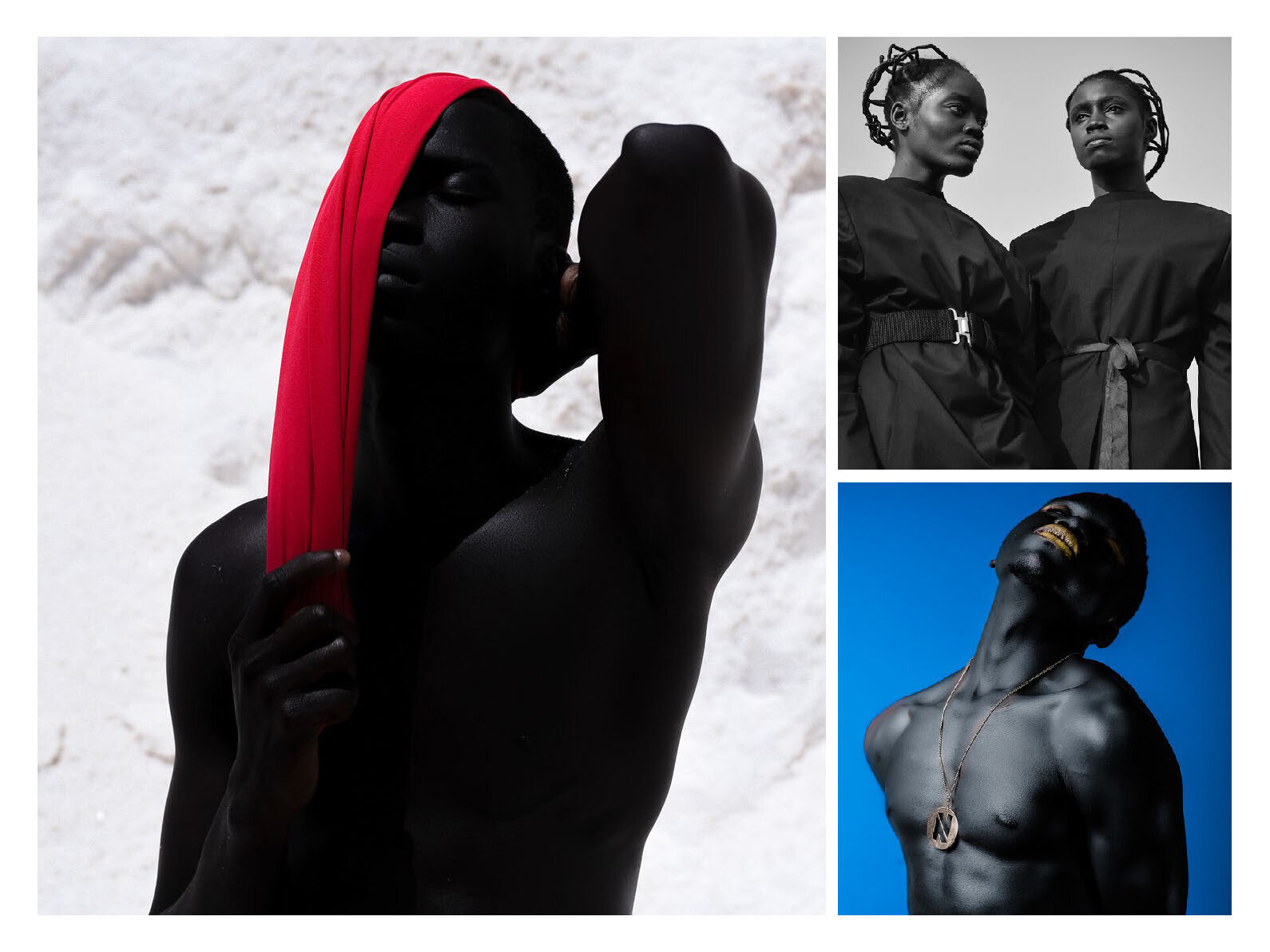
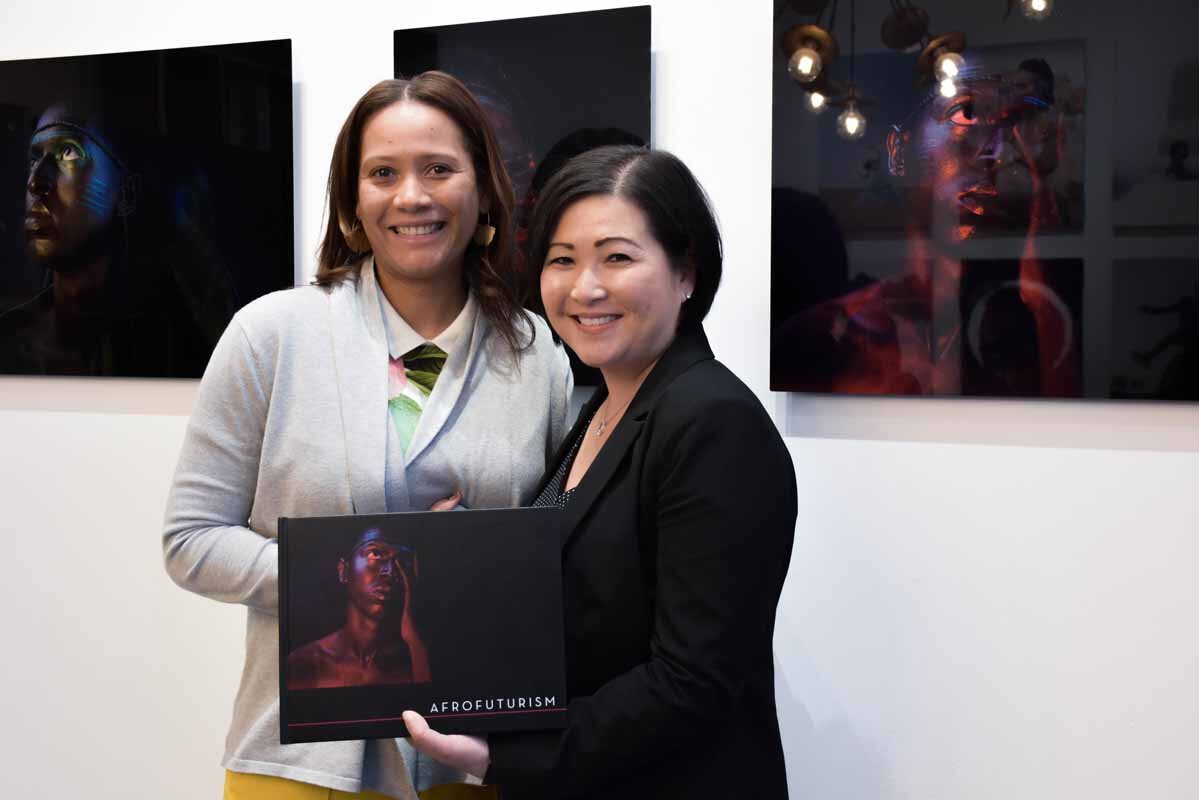
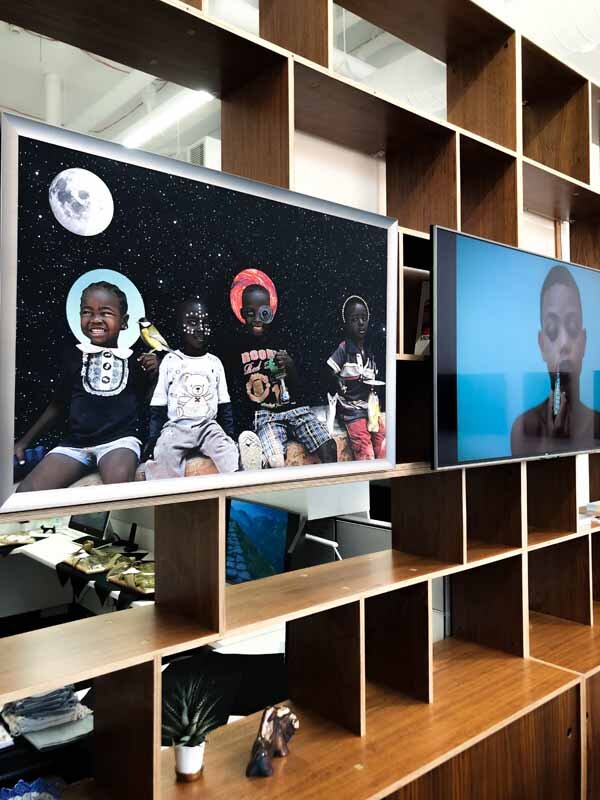
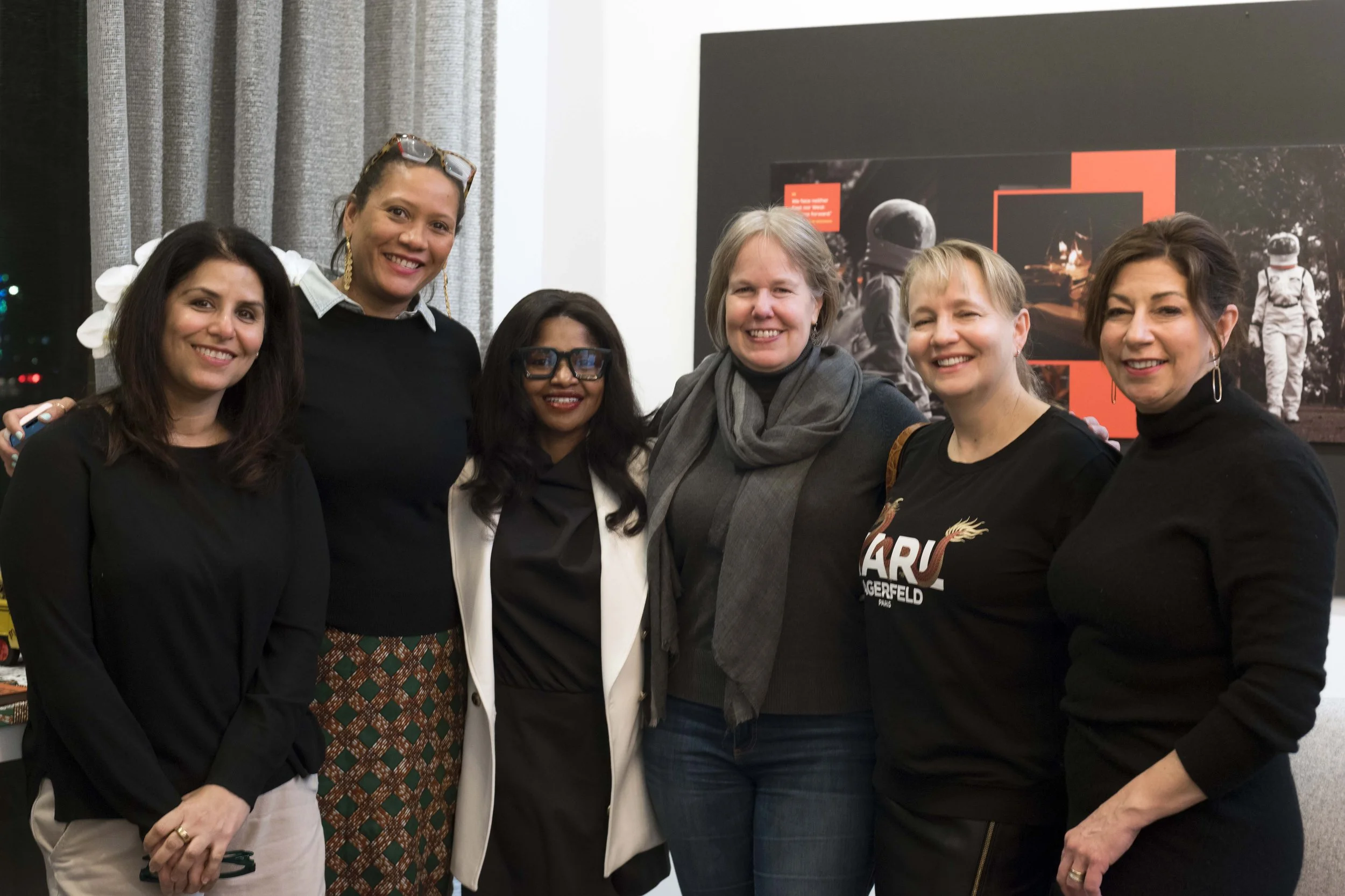
AfroFuturism. 2019
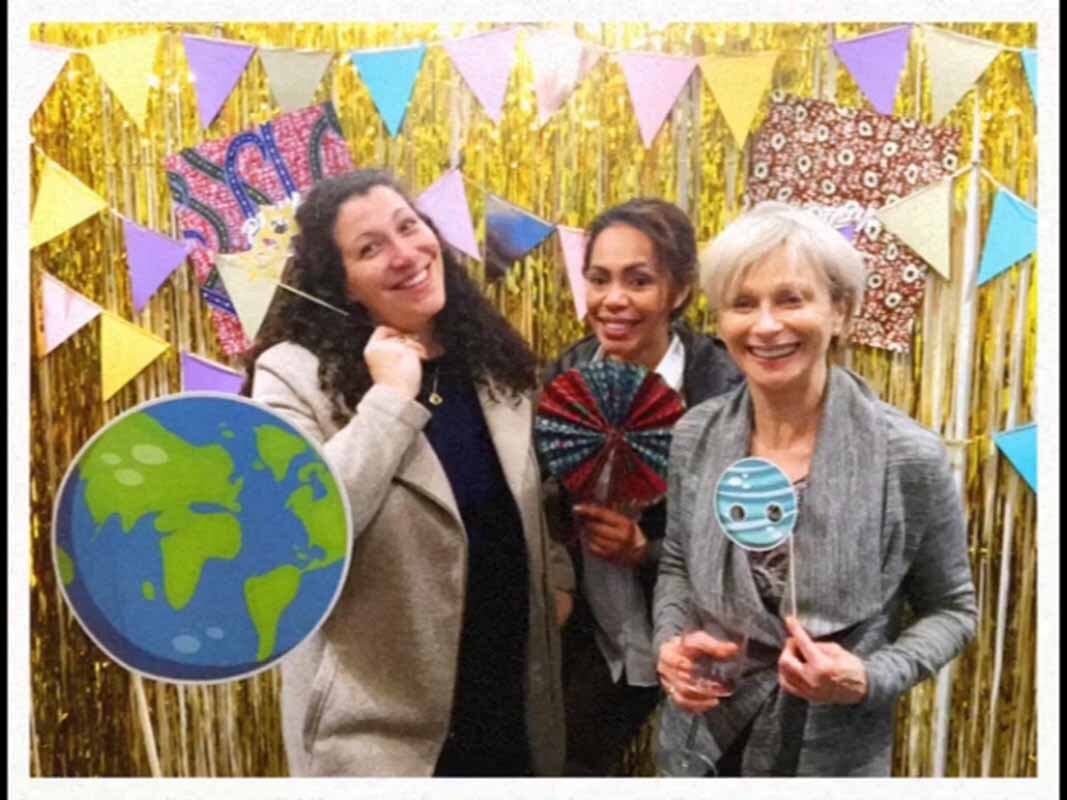
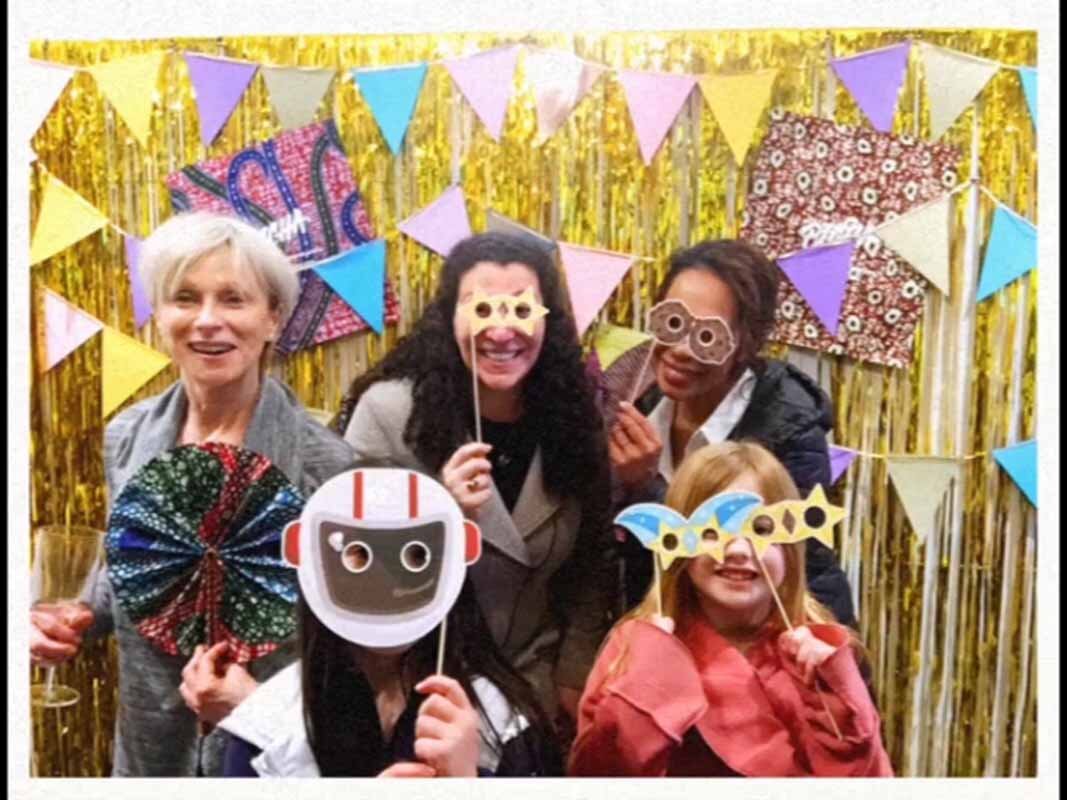
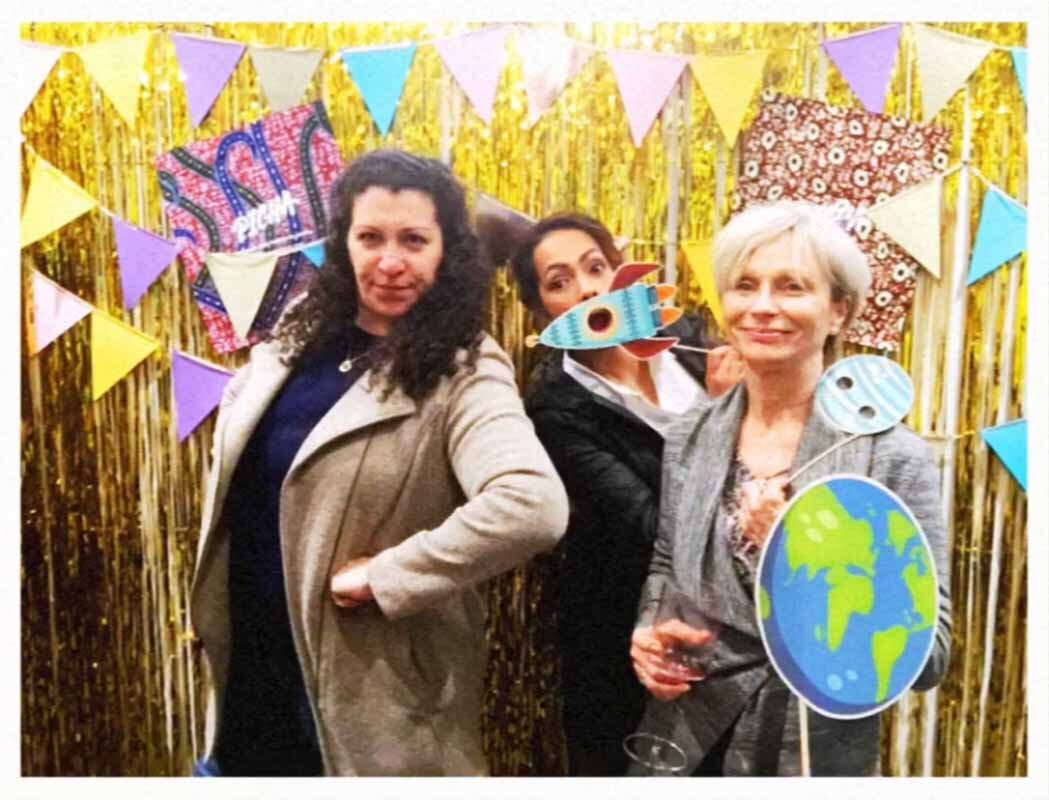
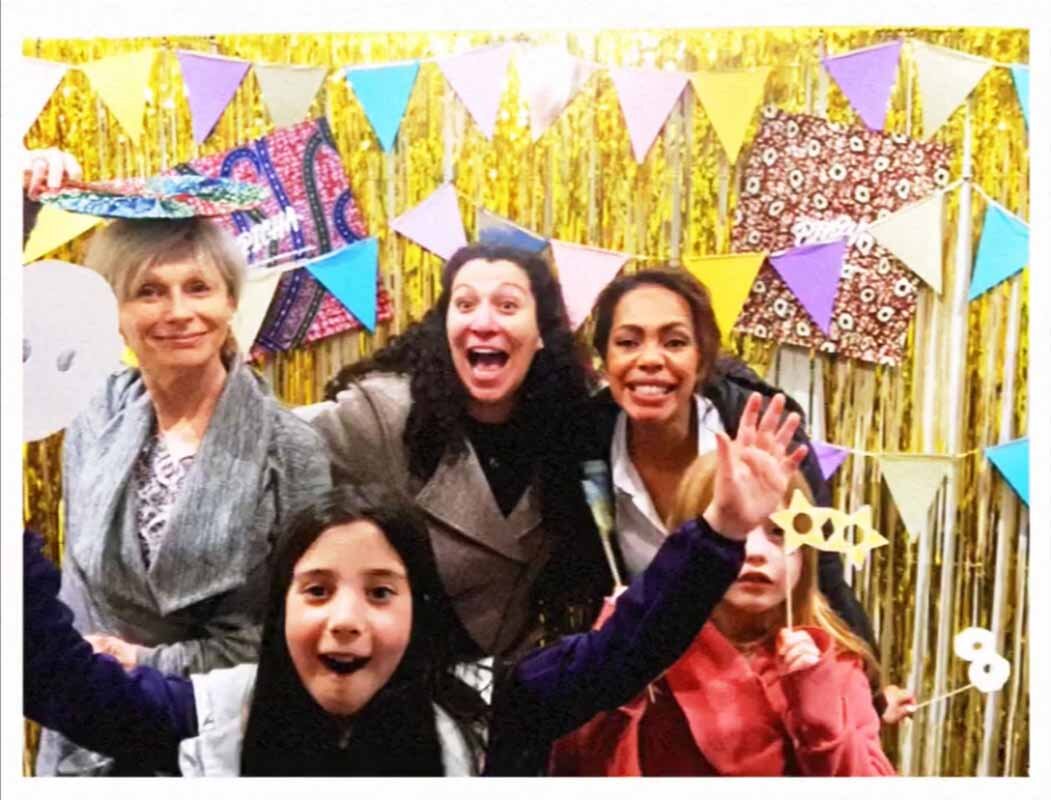
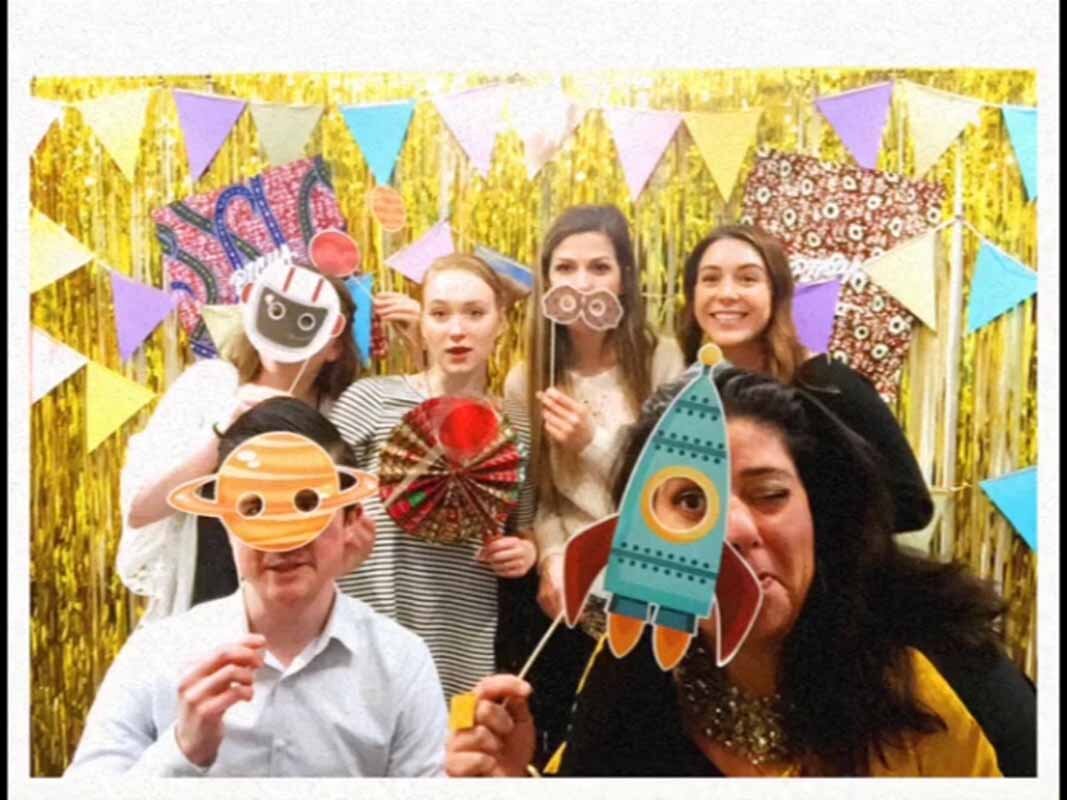
SZ Gallery proudly featured a photographic collection, AfroFuturism. Revisit our interview with PICHA’s Founder, Josiane Faubert, and see how her annual call to photographers has resulted in such a powerful exhibit. The AfroFuturism photographic backdrop was perfect, as we celebrated our Third Anniversary on Mercer Island! To learn more about AfroFuturism - click here!